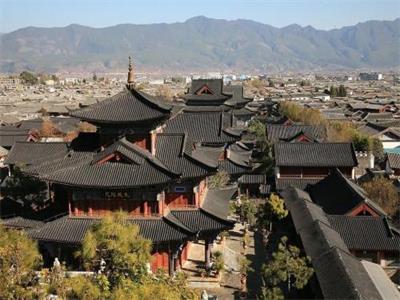
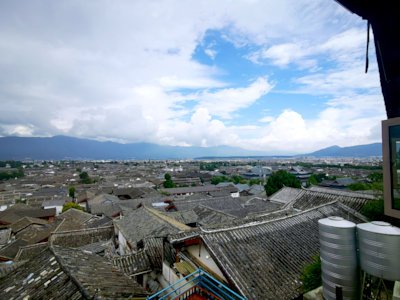
Located in northwest Yunnan Province, Lijiang Old Town (Dayan Ancient Town) is one of China’s most charming historic towns. With its cobbled streets, winding canals, ancient bridges, traditional wooden houses, and vibrant Naxi culture, Lijiang offers visitors a unique journey into the history and traditions of southwest China.
With a history of more than 800 years, Lijiang Old Town was once an important trading center along the legendary Ancient Tea Horse Road, a network of caravan routes connecting Yunnan with Tibet, Sichuan, and beyond. Today, it remains one of the best-preserved ancient towns in China and was listed as a UNESCO World Heritage Site in 1997.


A Water Town in the Mountains
One of the most distinctive features of Lijiang Old Town is its carefully designed water system. Clear streams flow through the town, passing under hundreds of stone and wooden bridges, while willow trees and colorful flowers decorate the waterways. The unique combination of canals, bridges, and traditional architecture gives Lijiang its reputation as a “Venice of the East.”
The old streets are paved with colorful cobblestones that become especially beautiful after rain, reflecting the surrounding traditional buildings and flowing water. Walking through the narrow lanes, visitors can discover ancient courtyards, small shops, local handicrafts, and peaceful corners hidden among the historic houses.
Square Street – The Heart of Lijiang Old Town
At the center of Dayan Ancient Town lies Sifang Street (Square Street), which was historically the main marketplace and a vital hub for trade along the Tea Horse Road.
For centuries, merchants from different regions, including Tibetan, Han, and local ethnic communities, gathered here to exchange goods such as tea, yak products, grain, textiles, and handicrafts. Today, Sifang Street continues to be the liveliest area of the old town, filled with restaurants, cafés, souvenir shops, and traditional performances.
Five major streets extend from Sifang Street, connecting the many lanes and alleys throughout the ancient town. Visitors can enjoy strolling along the streams, exploring local shops, and experiencing the relaxed lifestyle of Lijiang.


The Unique Naxi Culture
Lijiang is the cultural center of the Naxi ethnic group, one of the most distinctive ethnic communities in China. The Naxi people have preserved a rich cultural heritage, including their traditional architecture, Dongba culture, music, costumes, and ancient writing system.
Traditional Naxi houses feature wooden structures, carved beams, painted decorations, and elegant courtyards. Many residents of Dayan Ancient Town are Naxi people, and their traditional lifestyle remains an important part of the town’s charm.
Naxi women are often seen wearing traditional clothing, including blue pleated skirts and sheepskin shawls decorated with seven colorful symbols representing stars. Their unique costumes add a beautiful cultural atmosphere to the ancient streets.
Naxi Music and Traditional Arts
The famous Naxi Ancient Music, often considered a living fossil of Chinese classical music, has long been an important part of Lijiang’s cultural identity. In the past, visitors could often enjoy traditional Naxi performances in local teahouses and small venues throughout the old town.
The ancient music, together with Dongba culture and traditional festivals, reflects the deep spiritual connection between the Naxi people and their homeland.
Travel Experience
Unlike many modern cities, Lijiang Old Town still maintains its historical atmosphere. Visitors can spend hours wandering through quiet alleys, crossing ancient bridges, enjoying local cuisine, shopping for handicrafts, or simply relaxing beside the canals.
For travelers interested in history, ethnic culture, photography, and traditional lifestyles, Lijiang Old Town is an unforgettable destination and one of the highlights of any Yunnan tour.