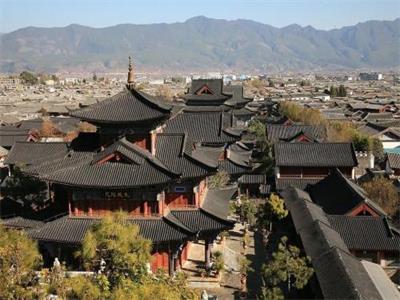
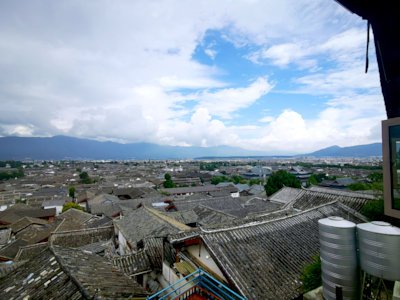
Lijiang Old Town, also known as Dayan Ancient Town, is one of the best-preserved historic towns in China and a remarkable example of the harmonious relationship between humans and nature.
Located in a fertile valley in northwestern Yunnan Province, Lijiang Old Town has served as an important center of commerce, politics, and culture for the Naxi people and other ethnic communities for more than 800 years.
With its traditional architecture, ancient waterways, stone-paved streets, unique Naxi culture, and stunning mountain surroundings, Lijiang Old Town has become one of the most popular cultural destinations in China. In 1997, it was inscribed on the UNESCO World Heritage List for its outstanding cultural value.
History of Lijiang Old Town
The history of Lijiang Old Town can be traced back to the late Song Dynasty and early Yuan Dynasty period, around the 13th century.
Beginning in 1253, the Naxi people of Lijiang developed their own distinctive social system, customs, and cultural traditions under the leadership of the hereditary Mu clan rulers.
During the Qing Dynasty, increased interaction between different ethnic groups brought new cultural influences to Lijiang. The Naxi people absorbed elements from Han and Tibetan cultures while continuing to preserve their own traditions.
Although Lijiang has experienced several earthquakes throughout history, careful restoration and preservation efforts have allowed much of the old town’s original layout and architectural character to remain intact.
A Town Surrounded by Nature
Lijiang Old Town is surrounded by the magnificent Yulong Snow Mountain, whose snow-covered peaks provide a dramatic backdrop to the ancient town.
A traditional Naxi folk song describes Yulong Snow Mountain:
“There are four seasons on one mountain, and the scenery changes every ten li.”
This reflects the remarkable diversity of landscapes around Lijiang, where different climates and ecosystems exist within a relatively small area.
The melting snow and glaciers of Yulong Snow Mountain provide a natural water source for the region. Clear streams flow through the old town, bringing life and beauty to its streets, courtyards, and traditional houses.
The Water System of Lijiang Old Town
One of the most unique features of Lijiang Old Town is its ancient water system.
Water from the Yuquan (Jade Spring) River flows through the town, dividing into numerous streams and channels that pass beside houses and along streets. Traditional stone bridges cross the waterways, creating the distinctive scenery that makes Lijiang famous.
The carefully designed water system reflects the wisdom of the Naxi people in adapting urban life to the natural environment.
Local residents traditionally used different sections of the waterways for different purposes:
* Upper streams were used for drinking water
* Middle sections were used for washing vegetables
* Lower sections were used for washing clothes
The overflowing spring water also helped clean the stone streets naturally, keeping the town comfortable throughout the year.
Naxi Cultural Heritage
Lijiang Old Town is not only famous for its architecture but also for its rich intangible cultural heritage.
The Naxi people have preserved unique traditions including:
* Dongba script and literature
* Traditional Naxi music
* Ancient religious ceremonies
* Folk dances and performances
* Traditional festivals
These cultural traditions provide visitors with a deeper understanding of one of China’s most distinctive ethnic cultures.
Dongba Script and Naxi Literature
One of the most remarkable cultural treasures of Lijiang is the Dongba script, an ancient pictographic writing system created and preserved by the Naxi people.
Dongba manuscripts record the history, mythology, religion, rituals, and daily life of the Naxi community. Thousands of volumes of Dongba scriptures have survived, making them an important record of Naxi civilization.
Dongba is considered one of the few living pictographic writing systems still used today.
The manuscripts cover a wide range of subjects, including:
* Religious ceremonies
* Historical stories
* Traditional dances
* Music and costumes
* Myths and legends
The preservation of Dongba culture is one of the most valuable contributions of Lijiang Old Town to world cultural heritage.
Traditional Naxi Music
Music plays an important role in Naxi culture. Traditional musical groups in the Lijiang area continue to preserve ancient melodies and performance styles.
The most famous form is Baisha Naxi Ancient Music, a traditional art combining instrumental performance, singing, and dance.
Often described as a “living fossil” of ancient Chinese music, Baisha Ancient Music preserves melodies and performance techniques that have survived for centuries.
Another traditional style is Dongjing Music, which developed from Taoist musical traditions and reflects cultural exchanges between different regions of China.
Lijiang Murals
The ancient murals of Lijiang are another important cultural treasure.
Many murals from the Ming and Qing dynasties can be found in temples around Lijiang, particularly in Baisha Village.
The murals depict Buddhist themes and include influences from:
* Han Buddhism
* Tibetan Buddhism
* Taoism
One of the most famous examples is the large mural in Dabaoji Palace, which features numerous religious figures and scenes representing different cultural traditions.
These artworks demonstrate the long history of cultural exchange in Lijiang.
Traditional Architecture of Lijiang Old Town
The architecture of Lijiang Old Town reflects the influence of several cultures, including Naxi, Han, Bai, and Tibetan traditions.
The town is famous for its unique combination of stone, wood, and water elements. Traditional houses are designed to adapt to the local climate while maintaining harmony with the surrounding environment.
A typical Naxi courtyard house usually includes:
* A two-story structure
* Three main rooms facing south
* Side rooms arranged around a courtyard
* Wooden balconies
* Decorative windows and doors
* Flower gardens and small pools
The houses often feature beautifully carved wooden doors, windows, and roof decorations.
Traditional fish-shaped wooden carvings, known locally as “suspended fish,” are commonly found on buildings. In Chinese culture, the pronunciation of “fish” is associated with abundance and prosperity, making these decorations symbols of good fortune.
Folk Culture and Ethnic Diversity
Lijiang Old Town has always been a place where different cultures meet.
For centuries, Naxi, Han, Tibetan, Bai, and other ethnic groups have lived and exchanged ideas here. These interactions have created a unique cultural environment characterized by diversity and harmony.
Visitors can experience this cultural richness through:
* Traditional festivals
* Local cuisine
* Music performances
* Handicrafts
* Ancient streets and buildings
* Naxi cultural activities
Visiting Lijiang Old Town
Today, Lijiang Old Town remains one of Yunnan’s most attractive destinations for travelers interested in history, culture, and traditional lifestyles.
Visitors can walk along the stone-paved streets, explore ancient courtyards, admire traditional architecture, enjoy Naxi music performances, taste local cuisine, and experience the unique atmosphere created by the combination of mountains, waterways, and culture.
With its UNESCO recognition, preserved architecture, and living Naxi traditions, Lijiang Old Town offers an unforgettable journey into the cultural heritage of southwestern China.