Located in northwestern Yunnan in the heart of the Hengduan Mountains, Shangri-La is one of China’s most fascinating highland destinations. Formerly known as Zhongdian and called Gyalthang (Jiantang) in Tibetan, Shangri-La lies near the meeting point of Yunnan, Sichuan, and Tibet and was historically an important stop on the Ancient Tea Horse Road.
The name “Shangri-La” became famous through British author James Hilton’s 1933 novel Lost Horizon, in which he described a mysterious and peaceful valley surrounded by snow-capped mountains. The fictional Shangri-La captured the imagination of travelers around the world, and Zhongdian was officially renamed Shangri-La in 2001.
Today, Shangri-La is renowned for its dramatic alpine landscapes, Tibetan Buddhist monasteries, traditional Tibetan villages, pristine lakes, deep gorges, and rich ethnic culture. It is an ideal destination for travelers seeking spectacular scenery and a deeper understanding of Tibetan culture in Yunnan.
Main Attractions in Shangri-La
Ganden Sumtseling Monastery
Ganden Sumtseling Monastery, also known as Songzanlin Monastery, was founded in 1679 during the Qing Dynasty. It is the largest Tibetan Buddhist monastery in Yunnan and an important center of the Gelug school of Tibetan Buddhism.
Built on a hillside and surrounded by mountains, the monastery resembles a Tibetan Buddhist castle and is often called the “Little Potala Palace.” Its magnificent halls, colorful murals, gilded statues, Thangkas, and traditional Tibetan architectural details make it one of the most important cultural attractions in Shangri-La.
Dukezong Ancient Town
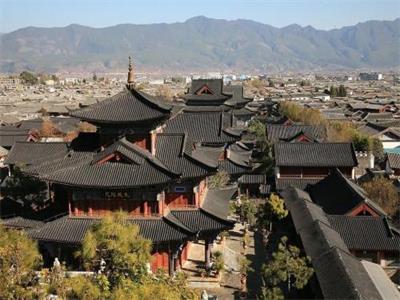
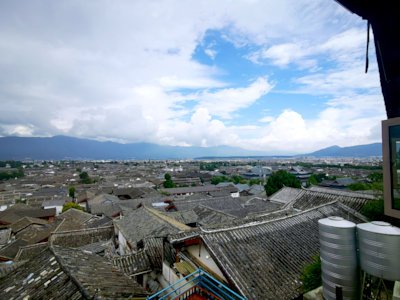
Dukezong Ancient Town is a historic Tibetan settlement and an important stop along the Ancient Tea Horse Road. The name “Dukezong” has two Tibetan meanings: “castle built on stone” and “city of moonlight.”
For centuries, Tibetan horse caravans and traders passed through the town on their journeys between Yunnan, Sichuan, Tibet, and South Asia. Today, visitors can wander through its narrow lanes, traditional Tibetan houses, temples, and lively squares while experiencing the region’s distinctive architecture and culture.
Pudacuo National Park
Pudacuo National Park is one of the best places near Shangri-La to experience its pristine alpine environment. Located about 22 kilometers from downtown Shangri-La, the park features high-altitude lakes, wetlands, forests, meadows, streams, and diverse wildlife.
With elevations ranging from approximately 3,500 to more than 4,000 meters, Pudacuo offers spectacular highland scenery and is an important part of the Three Parallel Rivers region.
Haba Snow Mountain
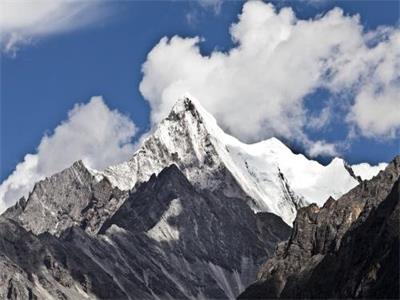
Haba Snow Mountain rises dramatically in southeastern Shangri-La. Its highest peak reaches 5,396 meters above sea level, creating a huge vertical landscape ranging from river valleys to glaciers and alpine environments.
The mountain is particularly popular among mountaineers and trekkers. Its dramatic changes in elevation support a remarkable variety of vegetation and wildlife.
Yunnan Golden Monkey National Park
Located in Weixi County within Diqing Tibetan Autonomous Prefecture, Yunnan Golden Monkey National Park protects an important population of the endangered Yunnan snub-nosed monkey.
The park forms part of the Three Parallel Rivers World Heritage region and provides an excellent opportunity to learn about one of China’s rarest primates while exploring pristine mountain forests.
Tiger Leaping Gorge
Tiger Leaping Gorge is one of China’s deepest and most spectacular river gorges. The Jinsha River, the upper reaches of the Yangtze River, rushes between Jade Dragon Snow Mountain and Haba Snow Mountain, creating dramatic rapids, cliffs, and hiking trails.
The gorge is particularly famous among international hikers and is one of the highlights of a Yunnan adventure itinerary.
Baishuitai
Baishuitai, or White Water Terraces, is a spectacular natural formation near Haba Snow Mountain. Rich in calcium carbonate, the spring water gradually deposits minerals as it flows downhill, creating a series of brilliant white terraces that resemble a frozen waterfall.
The site is also closely associated with the Naxi Dongba cultural tradition and offers an interesting combination of natural scenery and local culture.
Meili Snow Mountain
Meili Snow Mountain is one of the most sacred mountain ranges in Tibetan culture. Located near Deqin in northwestern Yunnan, the range contains 13 major peaks known collectively as the “Thirteen Peaks of the Prince.”
The highest peak, Kawagarbo, reaches 6,740 meters and is the highest mountain in Yunnan. It is considered sacred by local Tibetan communities and remains unclimbed. The spectacular combination of snow-capped peaks, glaciers, valleys, and Tibetan villages makes Meili Snow Mountain one of the most extraordinary landscapes in Yunnan.
Why Visit Shangri-La?
Shangri-La combines Tibetan culture, ancient caravan routes, high-altitude lakes, sacred mountains, Buddhist monasteries, and dramatic river valleys in one destination. Whether you are interested in hiking and photography, Tibetan Buddhism, ethnic culture, or mountain scenery, Shangri-La offers an authentic highland experience that is very different from other destinations in Yunnan.