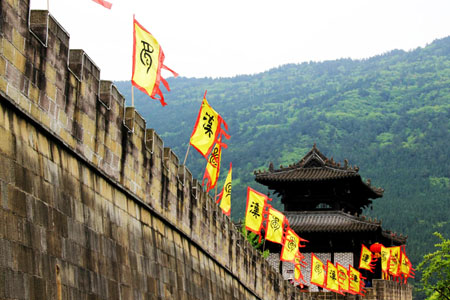
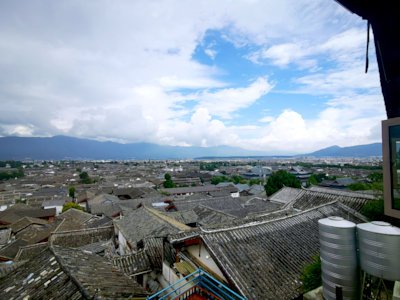
 Lijiang is a beautiful and historic city in Yunnan Province, southwestern China. With a history of more than 800 years, Lijiang is best known for its well-preserved ancient town, distinctive Naxi culture, traditional architecture, canals, and spectacular mountain scenery. It is one of the most famous historic towns in China and attracts travelers from all over the world.
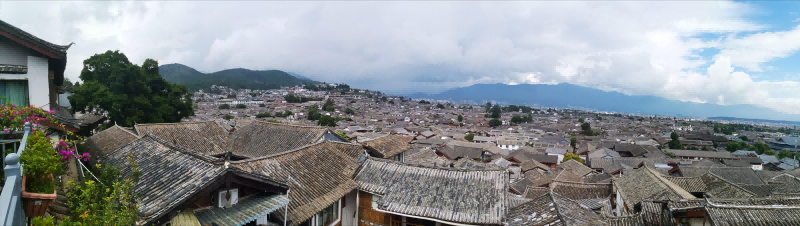
Lijiang Old Town, also known as Dayan Ancient Town, dates back to the late Song Dynasty and early Yuan Dynasty, around the late 13th century. Located in the center of the Lijiang Basin at an altitude of about 2,416 meters above sea level, the old town covers approximately 3.8 square kilometers. In December 1997, Lijiang Old Town was inscribed on the UNESCO World Heritage List as a remarkable example of a traditional settlement that combines local Naxi culture with the surrounding natural environment.
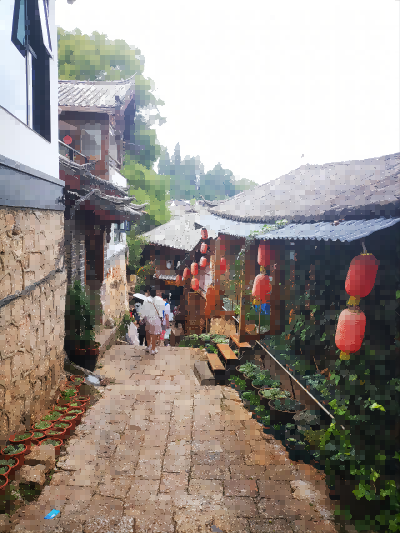
The old town was built around waterways and is surrounded by spectacular mountain scenery. The Jade River divides into three streams near the ancient town, from which numerous canals and waterways flow through the streets and neighborhoods. Many streets are paved with distinctive red stone, while traditional houses, small bridges, canals, shops, restaurants, and courtyards create a unique atmosphere.
Lijiang also became increasingly famous outside China through travel literature and international visitors. After the 1996 Lijiang earthquake, the city attracted considerable national attention as people became fascinated by its traditional lifestyle, beautiful environment, and cultural heritage. Since then, Lijiang has developed into one of Yunnan’s most popular tourist destinations, together with Dali and Xishuangbanna.
Lijiang Old Town
Lijiang Old Town is one of the best-preserved historic towns in China and is particularly famous for its strong Naxi cultural character. The town was traditionally known as Dayan and developed as an important center along the ancient Tea Horse Road.
The Mu family, hereditary rulers of Lijiang, eventually moved their administrative center from Baisha to the area around Lion Hill and began constructing houses and government buildings. This settlement developed into what became known as Dayan Town.
The old town is a wonderful place to explore on foot. Visitors can wander through narrow lanes, cross traditional stone bridges, follow the canals, visit historic buildings, enjoy local food, or simply relax in one of the many cafés and courtyards.
 Major Attractions in Lijiang Old Town
Major attractions in and around Lijiang Old Town include Sifang Street, Mufu Palace, Black Dragon Pool, White Horse Dragon Pool Temple, Wufeng Tower, Wenchang Palace, Snow Mountain Academy, Wangjiazhuang Christian Church, Peter Goullart’s former residence, Jinlian Temple, and Puxian Temple.
Sifang Street
Sifang Street, also known as Square Street, is located at the heart of Lijiang Old Town. It has historically been an important commercial and cultural center and was an essential meeting place along the ancient Tea Horse Road.
Today, Sifang Street is one of the busiest areas in the old town, with numerous restaurants, cafés, shops, and street-food stalls. Visitors can try local specialties such as Yunnan rice noodles, known as mixian, as well as other traditional dishes.
The street is also an important venue for local festivals and cultural activities. During traditional celebrations, performances and other activities are held here, allowing visitors to experience the lively atmosphere of Lijiang’s multicultural heritage.
Mufu Palace
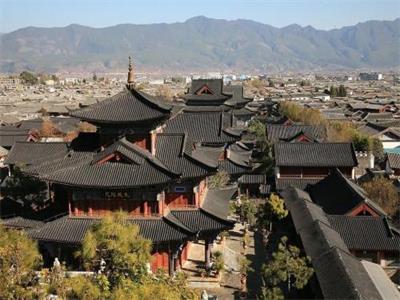
Mufu Palace was the residence and administrative center of the Mu family, the hereditary rulers of Lijiang. It stands at the eastern foot of Lion Hill in Lijiang Old Town.
The original complex was established during the Yuan Dynasty (1271–1368) and was later rebuilt. Today, Mufu Palace serves as an important cultural and historical attraction in Lijiang.
The complex covers an area of about 46 mu and contains numerous halls and buildings arranged along a central axis. Major structures include Sanqing Hall, Guangbi Tower, Yude Building, the main halls, and Loyalty Archway. The palace complex reflects the historical influence of the Mu family and provides an excellent introduction to the political and cultural history of Lijiang.
White Horse Dragon Pool Temple
White Horse Dragon Pool Temple is located at No. 50 Guangbi Lane on Guangyi Street in Lijiang Old Town. It is a traditional Chinese Buddhist temple built during the Qing Dynasty.
The temple was originally constructed in 1754, during the 19th year of the Qianlong reign, under the supervision of Fan Haoren, the governor of Lijiang. It was later rebuilt with the support of local residents.
A small pond known as White Horse Dragon Pool lies in front of the temple, adding to the peaceful atmosphere of the site.
Black Dragon Pool
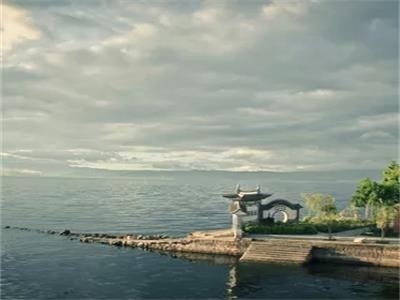
Black Dragon Pool, also known as Yuquan Park, is one of the most scenic cultural attractions in Lijiang. Located at the foot of Elephant Hill, the park is famous for its clear spring water, traditional architecture, and beautiful views of the surrounding mountains.
The historic buildings in the park include the Dragon Temple, Suocui Bridge, Jade Emperor Pavilion, Wufeng Tower, Listening Pavilion, Yiwen Pavilion, and Civilization Square.
The Yuquan Dragon Temple was constructed and renovated during different periods of the Qing Dynasty. The spring was historically honored by Qing emperors and became one of the best-known springs in the region.
Wufeng Tower, also known as Fayun Pavilion, was originally built in Baisha in 1601 during the Ming Dynasty. It was later moved to its present location in Black Dragon Pool in 1979.
On clear days, the reflection of the surrounding mountains in the tranquil waters of Black Dragon Pool creates one of the most iconic views in Lijiang.
Dongba Culture Museum
The Dongba Culture Museum, also known as the Lijiang City Museum, is located at the northern end of Black Dragon Pool.
The museum introduces the history, religion, art, and traditional culture of the Naxi people. Its collections include archaeological discoveries, historical paintings and calligraphy, revolutionary cultural relics, Dongba scriptures, and religious objects.
The museum is an excellent place to learn about Dongba culture, one of the most distinctive elements of Naxi civilization.
 Food and Leisure in Lijiang
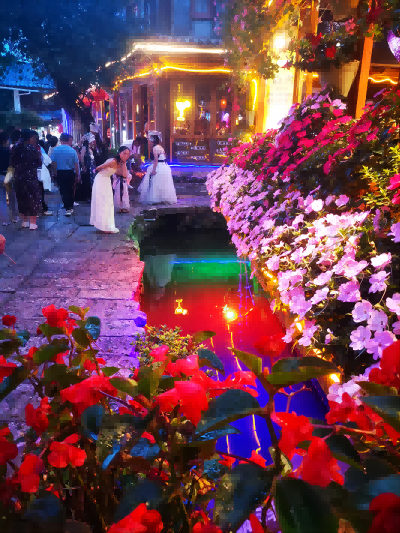
Lijiang is an excellent destination for travelers who enjoy both sightseeing and a relaxed pace of life. The old town contains a wide range of restaurants, cafés, snack shops, and bars, from inexpensive local eateries to more sophisticated restaurants.
Visitors can try Yunnan specialties, local Naxi dishes, rice noodles, mushrooms, and other regional foods. Compared with many Western destinations, local food and casual dining can still be relatively affordable.
There is also no need to plan every moment of your stay in Lijiang. One of the pleasures of visiting the old town is simply walking through its lanes, sitting beside a canal, enjoying a cup of coffee, reading a book, taking photographs, or relaxing in a traditional courtyard.
Lijiang is a destination where travelers can slow down and enjoy the atmosphere.
Jade Dragon Snow Mountain
Jade Dragon Snow Mountain, also known as Yulong Snow Mountain, is one of the most spectacular natural attractions near Lijiang. It is located approximately 15 kilometers north of Lijiang Old Town.
The mountain range stretches about 35 kilometers from north to south and approximately 25 kilometers from east to west, covering an area of around 960 square kilometers.
Major scenic areas include Glacier Park, Spruce Meadow, Ganhaizi, Yak Meadow, and Yufeng Temple, which is famous for its ancient tea trees.
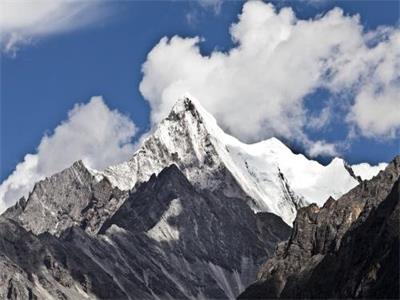
Jade Dragon Snow Mountain is called “Olu” in the Naxi language, meaning “Sky Mountain.” Its 13 snow-covered peaks resemble a jade dragon soaring across the sky, giving the mountain its Chinese name.
The mountain is regarded as a sacred mountain by the Naxi people and plays an important role in Naxi mythology and traditional culture. Its combination of snow-covered peaks, glaciers, alpine meadows, forests, and valleys makes it one of the most popular day-trip destinations from Lijiang.
For visitors, the mountain offers opportunities to enjoy spectacular alpine scenery and experience the dramatic contrast between Lijiang’s warm valley environment and its high-altitude snow-covered peaks.
Laojun Mountain
Laojun Mountain Scenic Area is located in the western part of Lijiang and forms an important part of the region’s spectacular mountain landscape. It is situated near several major scenic areas, including Jade Dragon Snow Mountain, the Three Parallel Rivers region, and Cangshan Mountain and Erhai Lake.
The Laojun Mountain Scenic Area covers approximately 715 square kilometers and includes several major attractions, such as the Ninety-Nine Dragon Pools, Jinshan Jade Lake, Liming Danxia Landform, and the Alpine Botanical Garden.
The Ninety-Nine Dragon Pools are particularly famous. The area contains numerous glacial and alpine lakes, each with its own shape and color. Surrounded by mountains and forests, the landscape is peaceful and relatively undeveloped compared with some of China’s more heavily visited scenic areas.
Spring and early summer, especially May and June, are beautiful times to visit Laojun Mountain. Wildflowers bloom across the alpine meadows, creating colorful landscapes beneath the clear mountain sky.
The area is also home to a variety of wildlife. In addition to local communities and livestock grazing in the mountains, visitors may encounter Yunnan golden monkeys and other protected species in the surrounding forests.
Travel to Lijiang
Lijiang offers an excellent combination of history, culture, nature, and relaxation. From the UNESCO-listed Lijiang Old Town and its traditional Naxi architecture to the spectacular peaks of Jade Dragon Snow Mountain and the pristine landscapes of Laojun Mountain, the city provides a wide variety of experiences for international travelers.
Whether you are interested in Chinese history and ethnic culture, mountain scenery, local cuisine, photography, or simply enjoying a slower pace of life, Lijiang is an unforgettable destination in Yunnan.