 Located in the southwest of Jianchuan County, Dali Bai Autonomous Prefecture, Shaxi Ancient Town is a beautifully preserved historical town nestled between Dali, Lijiang, and Shangri-La in Yunnan Province. Once an important trading hub along the legendary Ancient Tea Horse Road, Shaxi offers travelers a rare opportunity to experience authentic Bai ethnic culture, traditional architecture, and the peaceful lifestyle of rural Yunnan.
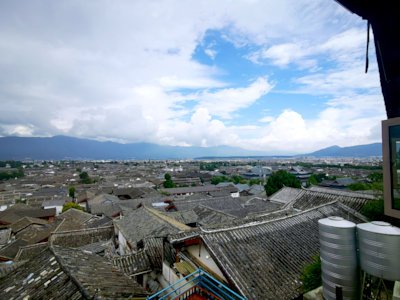
Surrounded by mountains and located on the southeastern edge of the Laojun Mountain area within the UNESCO-listed Three Parallel Rivers region, Shaxi covers an area of about 287 square kilometers. With an average altitude of approximately 2,100 meters, the town enjoys a mild climate with an annual average temperature of around 12.3°C, making it an attractive destination throughout the year.
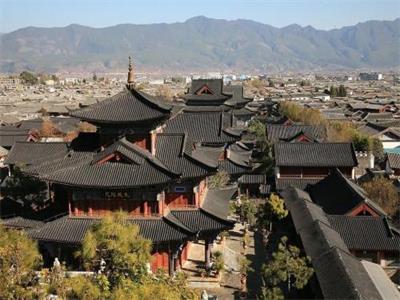
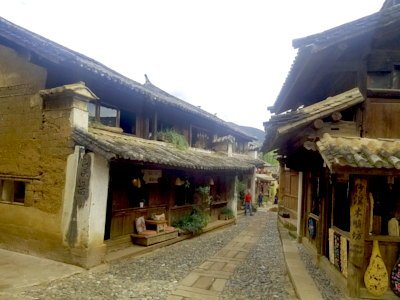
Unlike many ancient towns that have become heavily commercialized, Shaxi Ancient Town has preserved its original charm and historical atmosphere. Its quiet streets, traditional Bai houses, ancient temples, and former caravan routes provide visitors with a glimpse into the prosperous trading era of the Tea Horse Road.
A Historic Stop on the Ancient Tea Horse Road
The history of Shaxi dates back more than 2,400 years. During the development of the Ancient Tea Horse Road, a network of trade routes connecting Yunnan with Tibet, Southeast Asia, and beyond, Shaxi became a vital marketplace where tea, horses, salt, and other goods were exchanged.
The town was especially prosperous during the Ming and Qing dynasties, when caravans traveling between Dali, Lijiang, Shangri-La, and Tibet frequently stopped here. Today, Shaxi is considered one of the best-preserved examples of an ancient caravan town in China and is often described as a “living museum” of Tea Horse Road culture.
Main Attractions of Shaxi Ancient Town
Sideng Market Square (Sifang Street)
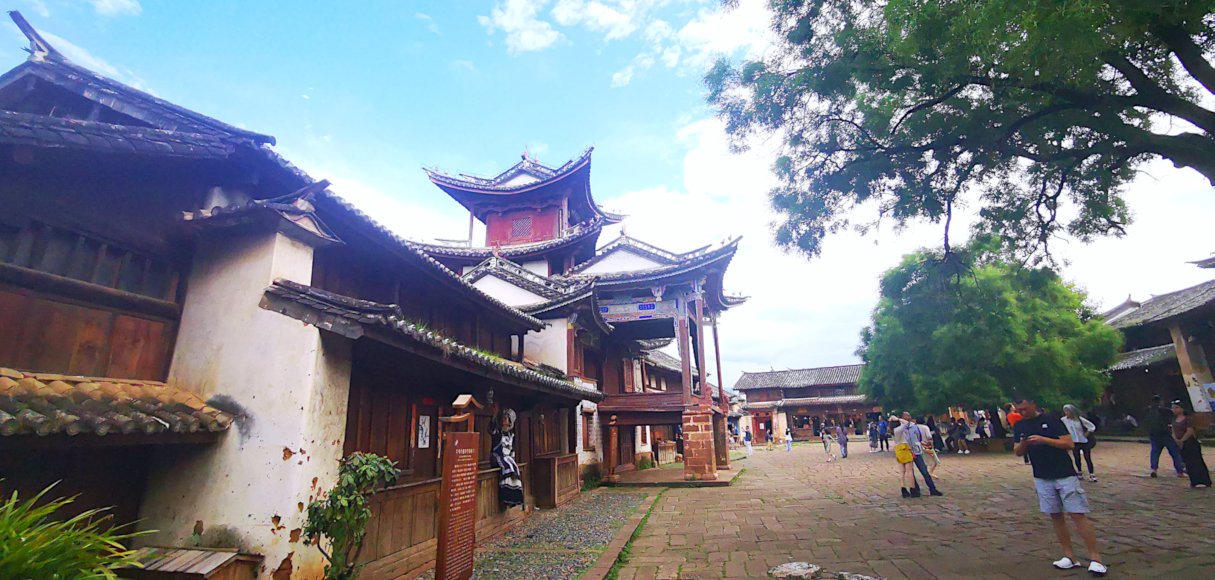
The heart of Shaxi Ancient Town is Sideng Market Square, the only surviving ancient market square along the Ancient Tea Horse Road.
For centuries, this square served as a gathering place for merchants, travelers, and local residents. Surrounded by traditional buildings, old shops, and historical structures, Sideng Square still retains the atmosphere of an ancient trading center.
Walking through the stone-paved streets, visitors can imagine the busy caravan scenes of hundreds of years ago.
 Xingjiao Temple
Located near Sideng Market Square, Xingjiao Temple is one of the most important Buddhist temples in Shaxi and the largest surviving Azhali Esoteric Buddhist temple in China.
Built during the Ming Dynasty, the temple is famous for its exquisite architecture and precious murals depicting Buddhist stories and scenes from ancient Bai culture. These artworks reflect the unique combination of Central Plains artistic influences and local ethnic traditions.
Ancient Opera Stage
The Ancient Opera Stage is one of the most recognizable landmarks in Shaxi.
Facing Sideng Market Square, this beautifully preserved wooden structure was once the center of local cultural life. During festivals and celebrations, Bai people gathered here to perform traditional music, dances, and operas.
Today, visitors can still enjoy traditional performances and experience the vibrant cultural heritage of the Bai ethnic group.
Yujin Bridge
Yujin Bridge is an elegant stone bridge connecting Shaxi Ancient Town with the surrounding countryside.
For centuries, it served as an important passage for horse caravans entering and leaving the town. The smooth stone surface of the bridge reflects the footsteps of countless travelers who passed along the Tea Horse Road.
Standing on the bridge, visitors can enjoy views of the ancient town, farmland, rivers, and surrounding mountains.
Bai Ethnic Culture and Local Experiences
Shaxi is also an excellent place to experience authentic Bai ethnic culture. Visitors can enjoy traditional Bai music, dances, handicrafts, and local cuisine.
One of the most unique cultural experiences is Shaxi Dongjing Ancient Music, a traditional form of Taoist ritual music that has been preserved for generations. Visitors may also encounter the Bai people’s Bawang Bian dance, a lively folk performance featuring colorful costumes and rhythmic movements.
Local specialties include:
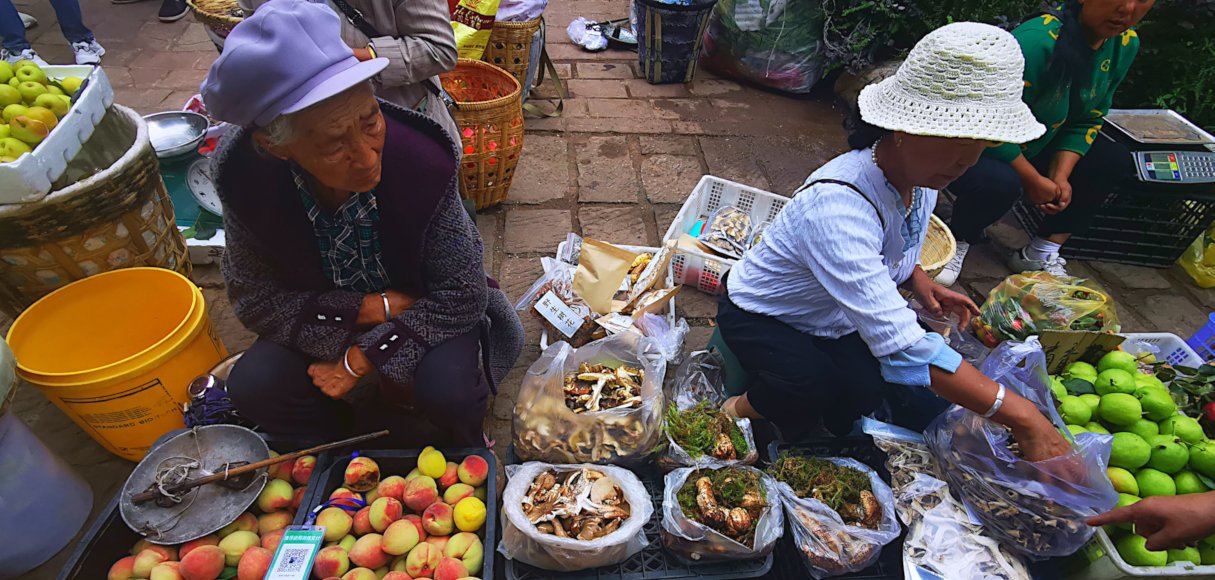
* Matsutake mushrooms
* Sheep milk cheese
* Mountain vegetables
* Traditional Bai-style dishes
These authentic flavors provide a deeper understanding of the local lifestyle.
 Shibao Mountain Song Festival
One of the most important cultural events near Shaxi is the Shibao Mountain Song Festival, held annually from the 27th day of the seventh lunar month to the first day of the eighth lunar month.
During the festival, Bai people from Jianchuan, Dali, Lijiang, Eryuan, Lanping, and surrounding areas gather in traditional costumes to celebrate their musical heritage.
The festival features:
* Folk song competitions
* Traditional love songs
* Bai ethnic dances
* Cultural performances
It is one of the best opportunities for visitors to experience the living traditions of Bai culture.
Why Visit Shaxi Ancient Town?
Compared with famous destinations such as Dali Ancient Town and Lijiang Old Town, Shaxi remains relatively quiet and less commercialized. This peaceful atmosphere is exactly what makes it special.
Travelers who enjoy history, traditional culture, photography, and slow-paced journeys will find Shaxi an unforgettable destination. Staying overnight in a local guesthouse allows visitors to experience the town after the daytime crowds leave, when the ancient streets become peaceful and atmospheric.
Transportation to Shaxi Ancient Town
Shaxi Ancient Town is conveniently accessible from major destinations in Yunnan.
* From Dali: about 2 hours by car
* From Lijiang: about 2–2.5 hours by car
* From Jianchuan County: about 45 minutes by car
With improved expressways and road conditions, Shaxi has become an easy addition to Yunnan travel itineraries.