 Located in northeastern Jiangxi Province, Jingdezhen is one of China’s most famous historical and cultural cities. Known worldwide as the “Porcelain Capital of China,” Jingdezhen has been producing exquisite ceramics for more than 1,000 years and has played an important role in the development of Chinese porcelain culture.
Often praised as a “Millennium Ceramic City,” Jingdezhen preserves a remarkable combination of traditional craftsmanship, ancient kiln sites, ceramic museums, and historic neighborhoods. For travelers interested in Chinese art, history, and culture, Jingdezhen offers a unique opportunity to discover the fascinating world of porcelain.
A Thousand Years of Porcelain History
Jingdezhen’s ceramic history can be traced back to the Han Dynasty (206 BC–220 AD), when local people began producing pottery. During the Northern Song Dynasty, the city received its name during the Jingde period (1004–1007) when imperial porcelain was produced here for the royal court.
From the Yuan, Ming, and Qing dynasties, Jingdezhen became the most important porcelain production center in China. The imperial government established official kilns here, creating some of the finest ceramics for emperors and royal families.
Jingdezhen porcelain became famous for its exceptional qualities:
* As white as jade
* As thin as paper
* As sound as a bell
* As bright as a mirror
The city’s most famous ceramic styles include:
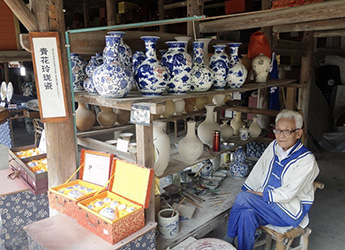
* Blue and white porcelain
* Famille rose porcelain
* Rice-pattern porcelain
* Colored glaze ceramics
Today, Jingdezhen remains a global center for ceramic art, attracting artists, collectors, and visitors from around the world.
 Top Attractions in Jingdezhen
Ancient Kiln Folk Customs Museum
The Ancient Kiln Folk Customs Museum is one of the best places to experience Jingdezhen’s ceramic heritage.
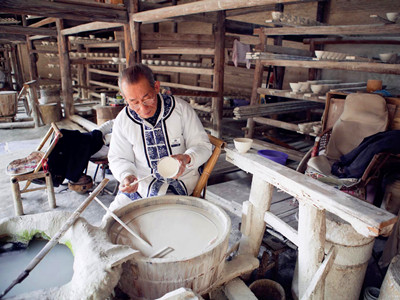
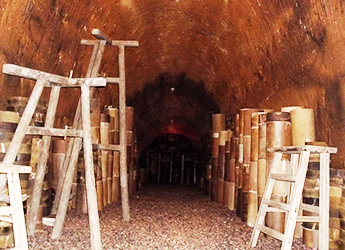
Located in the historic ceramic production area, the museum preserves ancient kiln sites, traditional workshops, and historic buildings. Visitors can learn about the entire porcelain-making process, from selecting clay and shaping pottery to painting and firing.
Highlights include:
* Traditional ceramic workshops
* Ancient kiln structures
* Live demonstrations by craftsmen
* Historical ceramic exhibitions
It provides an excellent introduction to Jingdezhen’s thousand-year porcelain tradition.
Kaolin Mountain: The Origin of Porcelain Clay
Kaolin Mountain (Gaoling Mountain) is an important site in the history of Chinese ceramics.
The famous porcelain clay known worldwide as “kaolin” was named after this area. The high-quality clay from Kaolin Mountain played a crucial role in producing Jingdezhen’s famous fine porcelain.
Today, visitors can explore the natural landscape and learn about the geological resources that helped create China’s porcelain civilization.
Imperial Kiln Ruins
The Imperial Kiln Ruins represent the peak of Jingdezhen’s ceramic history.
During the Ming and Qing dynasties, the imperial kilns produced porcelain exclusively for the royal family. Archaeological discoveries here have revealed valuable information about ancient ceramic techniques and production methods.
The site allows visitors to understand how Jingdezhen porcelain became a symbol of Chinese craftsmanship and artistic achievement.
Yaoli Ancient Town
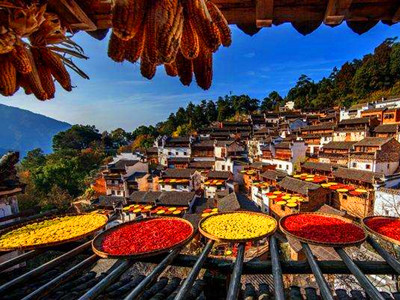
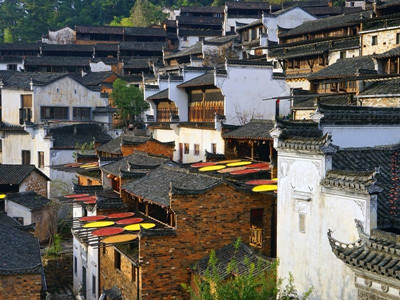
Located in Fuliang County near Jingdezhen, Yaoli Ancient Town is a peaceful historic town surrounded by mountains, forests, and rivers.
The town features:
* Traditional Huizhou-style architecture
* Ancient streets and bridges
* Historic tea culture
* Beautiful natural scenery
Yaoli offers a quieter countryside experience and is an ideal complement to Jingdezhen’s ceramic attractions.
Jingdezhen Ceramic Culture Experience
A visit to Jingdezhen is not complete without experiencing its living ceramic culture.
Travelers can:
* Visit ceramic studios and workshops
* Watch skilled artisans create porcelain pieces
* Try making their own pottery
* Explore local ceramic markets
* Purchase unique handmade artworks
Unlike many historical destinations that only preserve the past, Jingdezhen continues to develop as a vibrant center of contemporary ceramic art.
Jingdezhen’s Tea and Natural Heritage
Besides porcelain, Jingdezhen is also connected with traditional Chinese tea culture.
The nearby Fuliang County has been famous for tea production since ancient times. During the Tang Dynasty, Fuliang became one of China’s important tea distribution centers.
The region’s green mountains, forests, and rivers create an ideal environment for tea cultivation. Visitors can enjoy both ceramic culture and traditional tea experiences during their journey.
Why Visit Jingdezhen?
Jingdezhen is a destination where history, craftsmanship, and creativity come together.
Whether you are interested in:
* Chinese porcelain history
* Traditional handicrafts
* Museums and cultural heritage
* Photography
* Local villages and countryside scenery
Jingdezhen offers an unforgettable cultural experience.
Combined with nearby destinations such as Wuyuan Ancient Villages, Lushan Mountain, Poyang Lake, and Huangshan Mountain, Jingdezhen is an essential stop for travelers exploring Jiangxi and eastern China.