Located on the southeast coast of mainland China, Fujian Province is a fascinating destination known for its beautiful mountains, coastal landscapes, rich cultural heritage, and diverse traditions. With a history of maritime trade, unique local architecture, and stunning natural scenery, Fujian offers travelers an authentic experience combining nature, history, and local culture.
The name “Fujian” originated during the Tang Dynasty (618–907) from the combination of Fuzhou and Jianzhou (the ancient name of present-day Jian’ou), two important cities in the region.
Although the majority of Fujian’s population is Han Chinese, the province is one of China’s most culturally and linguistically diverse regions. Different local traditions, dialects, and customs have developed throughout history, creating a unique cultural identity.
Geography and Natural Landscape of Fujian
Fujian is a mountainous province with a landscape of rolling hills, forests, rivers, and coastal areas. The northwest part of the province has higher elevations, where the famous Wuyi Mountains form a natural border between Fujian and Jiangxi Province.
Facing the sea on three sides, Fujian enjoys a long coastline:
* East China Sea to the east
* South China Sea to the south
* Taiwan Strait to the southeast
The combination of mountains and ocean creates diverse landscapes, from dramatic peaks and forests to islands, beaches, and historic coastal towns.
Popular natural attractions in Fujian include:
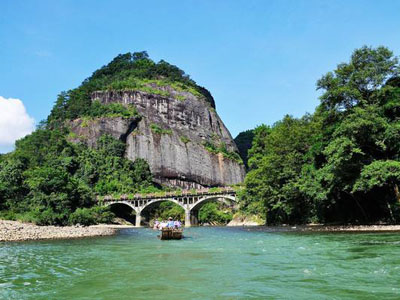
* Wuyi Mountain – a UNESCO World Heritage Site famous for Danxia landforms, tea culture, and hiking trails
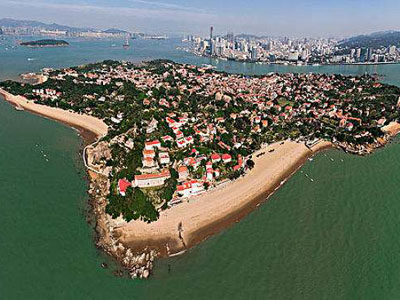
* Gulangyu Island in Xiamen – a historic island known for colonial architecture and seaside scenery
* Taimu Mountain – famous for granite peaks, caves, and coastal views
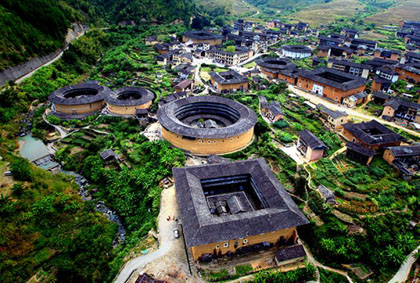
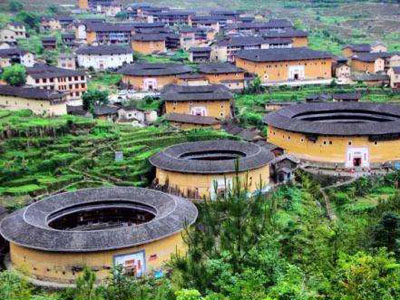
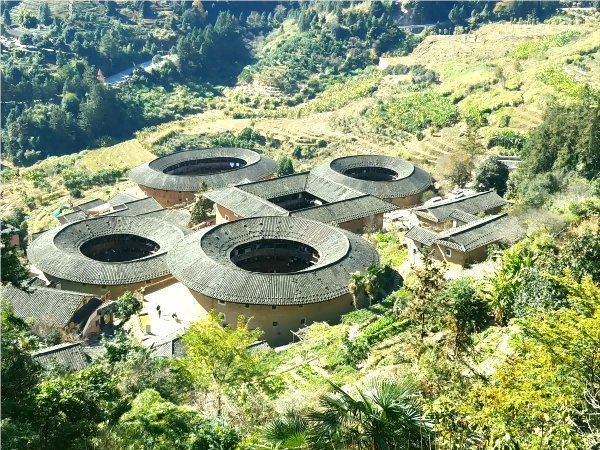
* Tulou villages – traditional earthen buildings representing Hakka culture
Climate of Fujian
Fujian has a subtropical climate with mild winters and warm, humid summers.
Winter (December to February)
Winter in Fujian is generally mild compared with many other parts of China. Temperatures are comfortable for sightseeing, and popular attractions are usually less crowded.
Summer (May to October)
Summers are hot and humid, and the province may occasionally be affected by typhoons from the Pacific Ocean, especially along the coastal areas. However, this period also offers the best natural scenery, with green mountains, clear waters, and vibrant landscapes.
 Best Time to Visit Fujian
Fujian can be visited throughout the year, but different seasons offer different travel experiences.
December to February: Low Season
Winter is considered the tourism low season in Fujian. During this period, travelers can enjoy:
* Lower accommodation prices
* Fewer crowds at major attractions
* A more relaxed sightseeing experience
It is a good time for visitors who prefer peaceful travel and comfortable exploration.
March to April: Shoulder Season
Spring is one of the best periods to visit Fujian, especially Wuyi Mountain.
During this season, visitors can enjoy:
* Pleasant weather
* Fresh green landscapes
* Blooming flowers
* Fewer tourists compared with peak season
The combination of comfortable temperatures and beautiful scenery makes spring an ideal time for hiking and outdoor activities.
May to October: High Season
From late spring to autumn, Fujian enters its main travel season. During this period:
* Mountain scenery is at its most beautiful
* Coastal areas are full of energy
* Outdoor activities are especially enjoyable
Although some attractions may be busier, travelers can experience Fujian at its most vibrant, with lush forests, clear rivers, and spectacular natural views.
Why Visit Fujian?
Fujian is a destination where nature and culture come together. Visitors can explore ancient villages, hike through mountain landscapes, discover maritime history, enjoy traditional tea culture, and experience the unique lifestyle of southeastern China.
Whether you are interested in UNESCO heritage sites, coastal scenery, traditional Chinese architecture, or outdoor adventures, Fujian offers unforgettable experiences for every type of traveler.