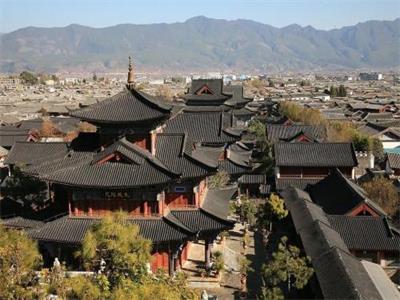
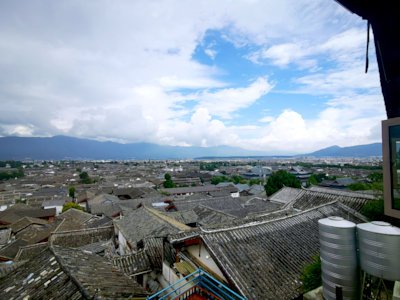
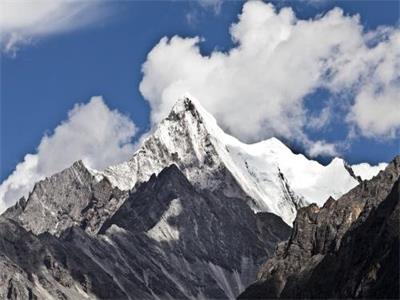
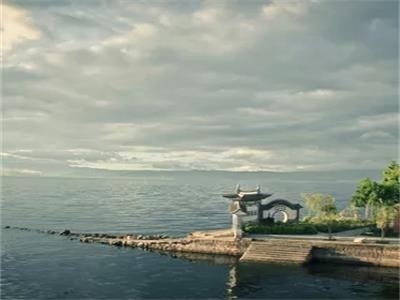
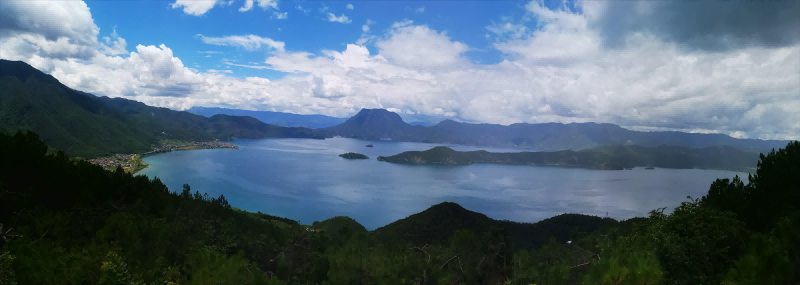
 Lugu Lake (泸沽湖) is one of the most beautiful highland lakes in China, famous for its crystal-clear water, surrounding snow-capped mountains, unique island scenery, and the traditional culture of the Mosuo people.
Located on the border between Ninglang County in Yunnan Province and Yanyuan County in Sichuan Province, Lugu Lake is a natural wonder shared by two provinces. The eastern side of the lake belongs to Lugu Lake Town of Yanyuan County, Sichuan, while the western side is part of Yongning Township, Ninglang County, Yunnan.
With its peaceful environment, fascinating ethnic traditions, and breathtaking landscapes, Lugu Lake has become one of the most popular destinations in Southwest China.
Geography and Natural Features of Lugu Lake
Lugu Lake stretches from northwest to southeast, covering an area of approximately 50.1 square kilometers, with a water storage capacity of about 2.252 billion cubic meters.
The lake was formed by geological movements and is a typical plateau fault lake. It belongs to the water system of the Yalong River, a tributary of the upper Yangtze River. The lake is also the upper source of the Xiaojin River, which eventually flows into the Jinsha River through the Yalong River.
Located in the beautiful Yongning Basin, Lugu Lake is the third-largest deep-water lake in China. Surrounded by mountains and forests, the lake has a horseshoe shape and features a unique combination of plateau scenery and cultural landscapes.
Mosuo Culture Around Lugu Lake
Lugu Lake is mainly inhabited by the Mosuo, Yi, and Pumi ethnic groups, with approximately 13,000 local residents living around the lake.
The Mosuo people are especially famous for preserving their traditional culture, including:
* Unique family structures
* Traditional festivals
* Ancient religious beliefs
* Traditional songs and dances
* The famous “walking marriage” custom
The combination of spectacular natural scenery and distinctive ethnic culture makes Lugu Lake one of the most fascinating cultural tourism destinations in China.
The Lugu Lake region includes two major tourism areas:
* Lijiang Lugu Lake Mosuo Cultural Tourism Area (Yunnan)
* Liangshan Lugu Lake Tourism Area (Sichuan)
 Islands and Scenic Spots of Lugu Lake
Lugu Lake contains:
* 5 main islands
* 3 peninsulas
* 1 seawall island
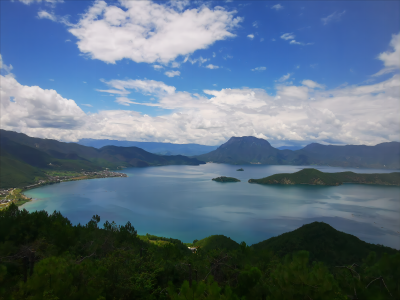
Most islands rise 15–30 meters above the lake surface and are surrounded by mountains and clear blue water.
The combination of islands, forests, and mountain reflections creates the unique landscape of Lugu Lake.
Gem Goddess Mountain (Gemu Goddess Mountain)
Gem Goddess Mountain, also known as Gemu Mountain, is the highest peak around Lugu Lake, reaching an altitude of 3,754.7 meters.
According to Mosuo mythology, the mountain is the embodiment of the goddess Gemu, one of the most important spiritual figures in local belief.
During the traditional Mountain Worship Festival, Mosuo people climb the mountain to pray and offer sacrifices to the goddess.
The mountain provides spectacular views overlooking the entire Lugu Lake area and is one of the most iconic landmarks of the region.
Houlong Mountain Island
Houlong Mountain is a long peninsula extending about 4 kilometers into Lugu Lake.
In Mosuo legends, Houlong Mountain represents the male mountain god, while Goddess Mountain represents the female goddess. According to local mythology, the two became mountains and continue their eternal love story across the lake.
The area is also closely connected with the famous Mosuo “walking marriage” tradition, an important cultural symbol of Lugu Lake.
Visitors can enjoy beautiful lake views, forests, and peaceful walking trails here.
Niaojueshan Mountain
Located within the Houlong Mountain range, Niaojueshan Mountain preserves an ancient trail used by Mosuo people for traditional mountain worship.
The historic path crosses the mountain ridge and leads toward:
* Boao Lake Bay
* Luowa Mosuo tribal village
The area combines natural scenery with traditional Mosuo cultural heritage.
Liwubi Island, Rige Island and Hewawu Island
These beautiful islands are located in the middle of Lugu Lake on the Ninglang side, about 2,500 meters from the lakeshore.
They are important habitats for:
* Migratory birds
* Wild ducks
* Other aquatic wildlife
Historically, these islands were also connected with the Yongning Tusi government. American scholar Joseph Rock, who studied the cultures of Southwest China, once lived in this area.
The islands offer some of the most beautiful views of the lake and surrounding mountains.
Xiwae Island (Tusi Island)
Xiwae Island, also called Tusi Island, is known as “Hengwagu” in the Naxi language.
Located in the northwest section of Lugu Lake, the island is more than 2,000 meters from the lakeshore.
The island was once associated with the local Tusi administration and preserves historical traces of the region’s traditional leadership system.
Bowa Island
Bowa Island is another historic island of Lugu Lake.
The last ruler of Zuosuo Tusi built a special residence here for his Han Chinese wife, Ms. Xiao Shuming from Ya’an.
The island reflects the cultural exchange between different ethnic groups in the region.
Caohai Wetland: The Grass Sea of Lugu Lake
Caohai (Grass Sea) is located on the eastern side of Lugu Lake and covers an area of approximately 15,000 mu.
Despite its name, Caohai is not a typical sea but a vast wetland covered with aquatic plants.
It is an important ecological area featuring:
* 37 species of aquatic plants
* 42 species of rare birds
* 11 species of fish
* Shrimp, shellfish, snails, and frogs
The wetland is one of the best places around Lugu Lake for bird watching, photography, and enjoying peaceful natural scenery.
Best Time to Visit Lugu Lake
Lugu Lake is beautiful throughout the year, but the best travel seasons are:
Spring (March–May)
* Flowers bloom
* Pleasant temperatures
* Ideal for hiking and photography
Summer (June–August)
* Green mountains and clear water
* Best season for outdoor activities
Autumn (September–November)
* Clear skies
* Colorful forests
* Excellent photography conditions
Winter (December–February)
* Peaceful atmosphere
* Migratory birds arrive
* Best time to experience local culture
Why Visit Lugu Lake?
Lugu Lake offers travelers a rare combination of:
* Stunning plateau lake scenery
* Traditional Mosuo culture
* Unique ethnic customs
* Beautiful islands and mountains
* Rich biodiversity
* Peaceful rural landscapes
For visitors exploring Yunnan and Sichuan, Lugu Lake is an unforgettable destination where nature and ancient culture exist together in perfect harmony.