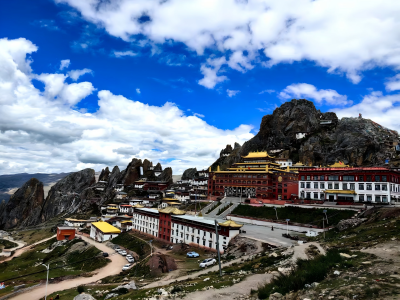
 Located on Zezhol Mountain in Dingqing County, Zezhol Monastery is one of the most important centers of the ancient Bon Religion in the Chamdo region of Tibet. Situated about 37 kilometers from the county center, the monastery is surrounded by dramatic mountain scenery featuring towering peaks, unusual rock formations, and mysterious caves.
With a history believed to extend back thousands of years, Zezhol Monastery preserves ancient religious traditions, rituals, and cultural practices that are rarely seen elsewhere on the Tibetan Plateau.
History of Zezhol Monastery
The origins of Zezhol Monastery can be traced back approximately 2,000–3,000 years according to local tradition. In the 14th century, a prominent Bon master rebuilt the monastery, establishing it as an important religious center in eastern Tibet.
The name “Zezhol” means “Six Summits” in Tibetan, reflecting the spectacular landscape surrounding the monastery. The area is characterized by steep mountain peaks, strange rock formations, and sacred caves, creating a landscape closely associated with Tibetan spiritual beliefs.
Over centuries, Zezhol Monastery became one of the largest and most influential Bon monasteries in the Kham region.
A Stronghold of Bon Religion in Kham Tibet
Before the spread of Tibetan Buddhism, Bon was the dominant spiritual tradition on the Tibetan Plateau. As Buddhism gradually became the major religious influence in Tibet, Bon communities retreated to remote regions where their teachings and practices could continue.
Because of its isolated location, Dingqing County became one of the most important centers for preserving Bon traditions. Zezhol Monastery remains a major spiritual stronghold of Bon in eastern Tibet, attracting many followers and continuing ancient religious practices.
The monastery is especially valued for maintaining traditional Bon teachings, including:
* Ancient scriptures
* Meditation practices
* Ritual ceremonies
* Philosophical teachings
* Spiritual training methods
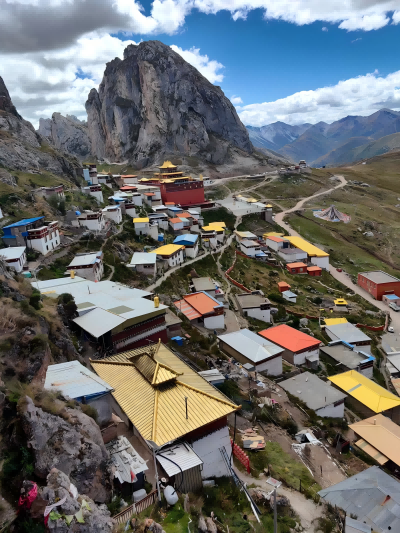 Ancient Rituals and Religious Traditions
One of the unique features of Zezhol Monastery is its preservation of traditional Bon rituals. Within the monastery, religious teachers continue to explain ancient Bon scriptures and guide practitioners in meditation and yoga practices.
The monastery is also known for its distinctive ceremonial traditions, including rare ritual performances that are considered unique within Tibet today.
These ancient practices provide valuable insight into Tibet’s pre-Buddhist spiritual heritage and demonstrate the diversity of Tibetan religious culture.
Natural Landscape Around Zezhol Mountain
The journey to Zezhol Monastery is as impressive as the destination itself. The surrounding mountain environment features:
* High alpine peaks
* Strange rock formations
* Sacred caves
* Remote valleys
* Untouched plateau scenery
The dramatic landscape reflects the deep connection between Bon traditions and nature. Many sacred sites in Bon belief are closely associated with mountains, caves, and natural forces.
Visiting Zezhol Monastery
For travelers interested in Tibetan culture beyond mainstream Buddhist sites, Zezhol Monastery offers a rare opportunity to explore the ancient Bon tradition of Tibet.
A visit here provides insight into:
* The origins of Tibetan spirituality
* Traditional religious practices
* Remote Kham landscapes
* The cultural diversity of eastern Tibet
Due to its remote location, Zezhol Monastery remains relatively unknown among international travelers, making it an ideal destination for those seeking authentic cultural experiences in Tibet.