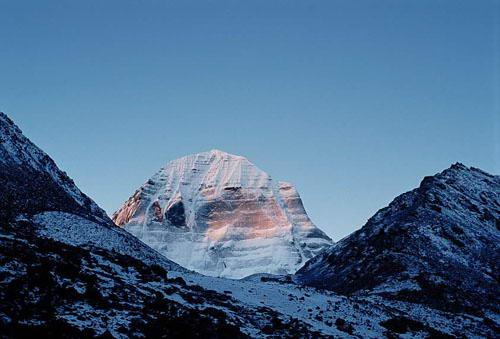
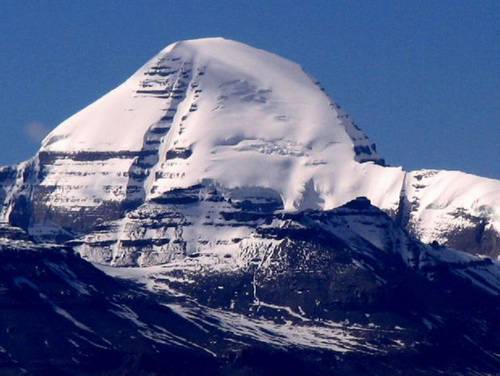
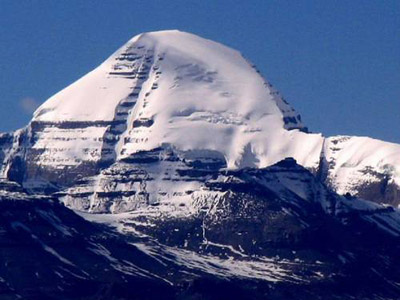
Rising dramatically to an altitude of approximately 6,638 meters (21,778 feet) in western Tibet, Mount Kailash is one of the most sacred mountains in the world. Unlike other famous peaks that attract climbers seeking adventure and conquest, Mount Kailash remains untouched by mountaineering attempts because of its profound religious significance.
Located in the remote region of Ngari Prefecture, the mountain is difficult to access, requiring a long journey across the Tibetan Plateau. Its isolated location, harsh climate, and challenging terrain mean that only a limited number of pilgrims and travelers visit each year.
Known as a holy mountain for Hinduism, Buddhism, Jainism, and the Bon religion, Mount Kailash is regarded as a spiritual center and a symbol of divine connection between heaven and earth.
The Sacred Mountain of Four Religions
For thousands of years, Mount Kailash has been deeply rooted in the religious traditions and myths of Asia. Many ancient belief systems identify the mountain with Mount Meru, the mythical center of the universe and the axis connecting the spiritual and physical worlds.
Hinduism
In Hindu tradition, Mount Kailash is believed to be the sacred home of Shiva, one of the most important gods in Hinduism. Devotees believe that completing a pilgrimage to Kailash and receiving a spiritual vision of Shiva’s dwelling can help overcome ignorance and achieve spiritual liberation.
Tibetan Buddhism
Tibetan Buddhists call Mount Kailash Kang Rinpoche, meaning “Precious Jewel of Snow Mountain.” It is considered the dwelling place of Chakrasamvara and his consort Dorje Phagmo.
The surrounding peaks are also associated with important Buddhist figures, including the Bodhisattvas Manjushri, Vajrapani, and Avalokiteshvara. For Tibetan Buddhists, a pilgrimage around Kailash is a deeply meaningful spiritual practice.
Jainism
Followers of Jainism refer to the mountain as Ashtapada and believe it is the place where Rishabhadeva, the first of the twenty-four Tirthankaras, attained liberation.
Bon Religion
For followers of Bon, Tibet’s ancient indigenous spiritual tradition, Mount Kailash is known as Tise. It is believed to be the home of the Sky Goddess Sipaimen and an important sacred site connected with ancient legends and spiritual practices.
Mount Kailash Kora Pilgrimage
The most important religious activity at Mount Kailash is the Kora, or sacred circumambulation around the mountain. Pilgrims walk around the peak to accumulate spiritual merit and seek blessings.
The traditional route is approximately 52 kilometers long and usually takes about three days to complete.
Different religious traditions follow different directions:
* Buddhists and Hindus: Walk clockwise around the mountain.
* Bon followers: Walk counter-clockwise.
Some devoted pilgrims complete the journey through full-body prostrations, a practice that can take several weeks. According to Tibetan Buddhist belief, completing 108 rounds of the mountain can lead to spiritual enlightenment.
Lake Manasarovar and Rakas Tal
A pilgrimage to Mount Kailash is often combined with a visit to the nearby sacred lakes.
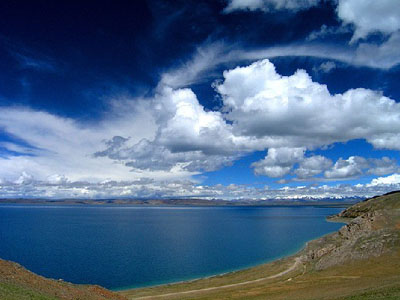
Lake Manasarovar is one of the highest freshwater lakes in the world and holds great religious importance. The name comes from Sanskrit, with “Manas” meaning mind or consciousness, symbolizing purity, enlightenment, and spiritual awakening.
Nearby Rakshastal Lake, also known as the “Lake of Demons,” provides a striking contrast with its mysterious landscape and legends.
Together, Mount Kailash, Lake Manasarovar, and Rakshastal form one of the most sacred and extraordinary pilgrimage landscapes on the Tibetan Plateau.
Travel Experience and Natural Beauty
Beyond its religious importance, Mount Kailash offers some of the most spectacular scenery in Tibet. The black rocky peak rises above vast highland plains, surrounded by glaciers, snow mountains, clear rivers, and endless blue skies.
The remote wilderness of western Tibet provides travelers with a rare opportunity to experience untouched landscapes and ancient spiritual traditions. A journey to Mount Kailash is not only a physical adventure but also a profound cultural and spiritual experience.
For those seeking the mysteries of Tibet, the sacred atmosphere of ancient pilgrimage routes, and the dramatic beauty of the Himalayas, Mount Kailash remains one of the most unforgettable destinations on Earth.