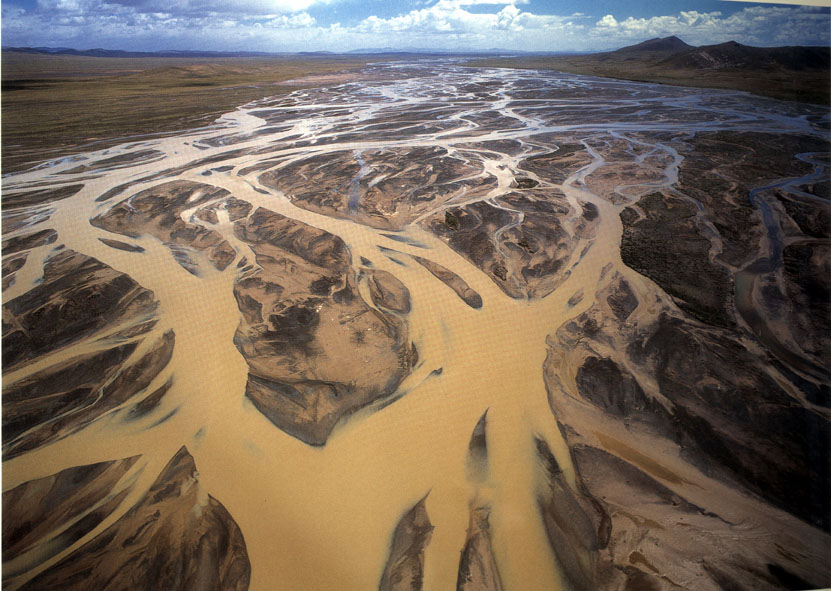
The Tuotuo River, regarded as the source stream of the Yangtze River, originates from the glaciers of the Jianggendiru Snow Mountains on the southwestern side of Geladandong Peak, the highest peak of the Tanggula Mountains.
Located in the remote hinterland of the Qinghai-Tibet Plateau, Tuotuo River is a spectacular destination where glaciers, snow-covered mountains, and pristine highland landscapes reveal the origin of one of the world’s greatest rivers.
The Birthplace of the Yangtze River
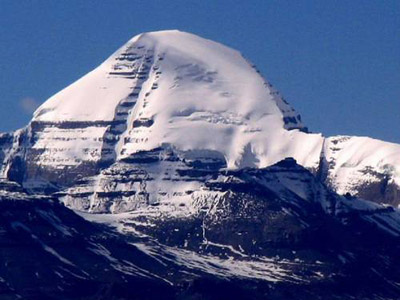
The source area of the Tuotuo River lies at an altitude of nearly 5,500 meters above sea level. The surrounding region is dominated by magnificent snow mountains and glaciers, including more than 20 peaks exceeding 6,000 meters in elevation.
The permanent snow line reaches approximately 5,800 meters, and the mountains contain around 40 modern glaciers. These glaciers provide the meltwater that forms the beginning of the Yangtze River, known as the Changjiang River in China.
The sight of snow-covered peaks rising into the clouds and crystal-clear glaciers shining under the plateau sunlight creates one of the most impressive landscapes on the Qinghai-Tibet Plateau.
Natural Landscape of Tuotuo River
The Tuotuo River source region features a typical high-altitude plateau environment, including:
* Glacial valleys
* Snow-capped mountains
* Alpine grasslands
* Frozen rivers and streams
* Vast wilderness landscapes
Due to its extreme altitude and remote location, the area remains largely untouched, preserving a pure natural environment rarely found elsewhere.
For travelers interested in geography, adventure, and the origins of great rivers, the Tuotuo River offers a unique opportunity to experience the beginning of the Yangtze River.
The Yangtze River: China’s Mother River
From its source in the Tanggula Mountains, the Yangtze River flows eastward through several regions of China, including:
* Qinghai Province
* Tibet Autonomous Region
* Sichuan Province
* Yunnan Province
* Hubei Province
* Hunan Province
* Jiangxi Province
* Jiangsu Province
* Shanghai
After traveling approximately 6,300 kilometers, the Yangtze River finally flows into the East China Sea.
It is the longest river in China and the third-longest river in the world, following the Nile River and the Amazon River. The river has played an essential role in China’s history, economy, culture, and ecological development.
Visiting Tuotuo River
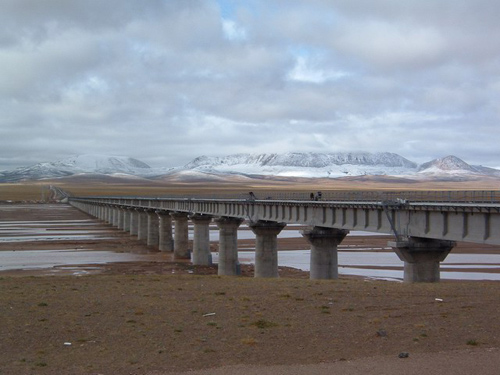
The Tuotuo River source area is located along the Qinghai-Tibet Plateau and is usually visited as part of a long-distance journey through the Qinghai-Tibet Highway.
The region is best suited for experienced travelers seeking:
* High-altitude natural scenery
* Geographic exploration
* Remote Tibetan Plateau landscapes
* The origins of China’s great rivers
Standing beside the Tuotuo River, visitors can witness the powerful connection between glaciers, mountains, and the birth of the Yangtze River.