Norbulingka (meaning “Treasure Garden” in Tibetan) is one of the most beautiful historical sites in Lhasa, Tibet. Located on the western outskirts of the city along the Kyichu River, about 1 kilometer southwest of the Potala Palace, Norbulingka is the former summer residence of successive Dalai Lamas and is recognized as an important symbol of Tibetan culture, architecture, and religious history.
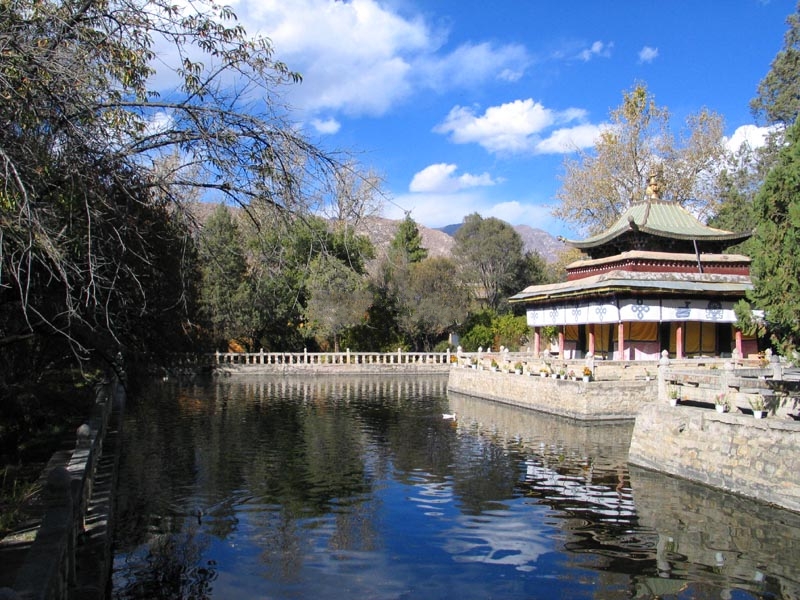
Covering an area of approximately 360,000 square meters with more than 370 rooms, Norbulingka is the largest artificial garden in the Tibet Autonomous Region. With its peaceful lakes, lush trees, colorful flowers, palaces, and traditional Tibetan buildings, it offers a rare combination of natural beauty and cultural heritage in the high-altitude city of Lhasa.
The construction of Norbulingka began in the 1740s during the Qing Dynasty. Originally a wild area covered with grass, shrubs, and inhabited by animals, the site became a favorite retreat of the Seventh Dalai Lama, who frequently visited the area for relaxation and meditation. Later, a palace was built here by the Qing authorities, and the Kelsang Potrang was constructed as the first major palace complex of Norbulingka.
Over time, Norbulingka developed into the official summer palace of the Dalai Lamas. During the warmer months, successive Dalai Lamas stayed here to handle political affairs, conduct religious activities, receive visitors, and participate in traditional celebrations. Through continuous expansions and renovations, the garden gradually developed into a magnificent complex of palaces, pavilions, forests, and landscaped gardens.
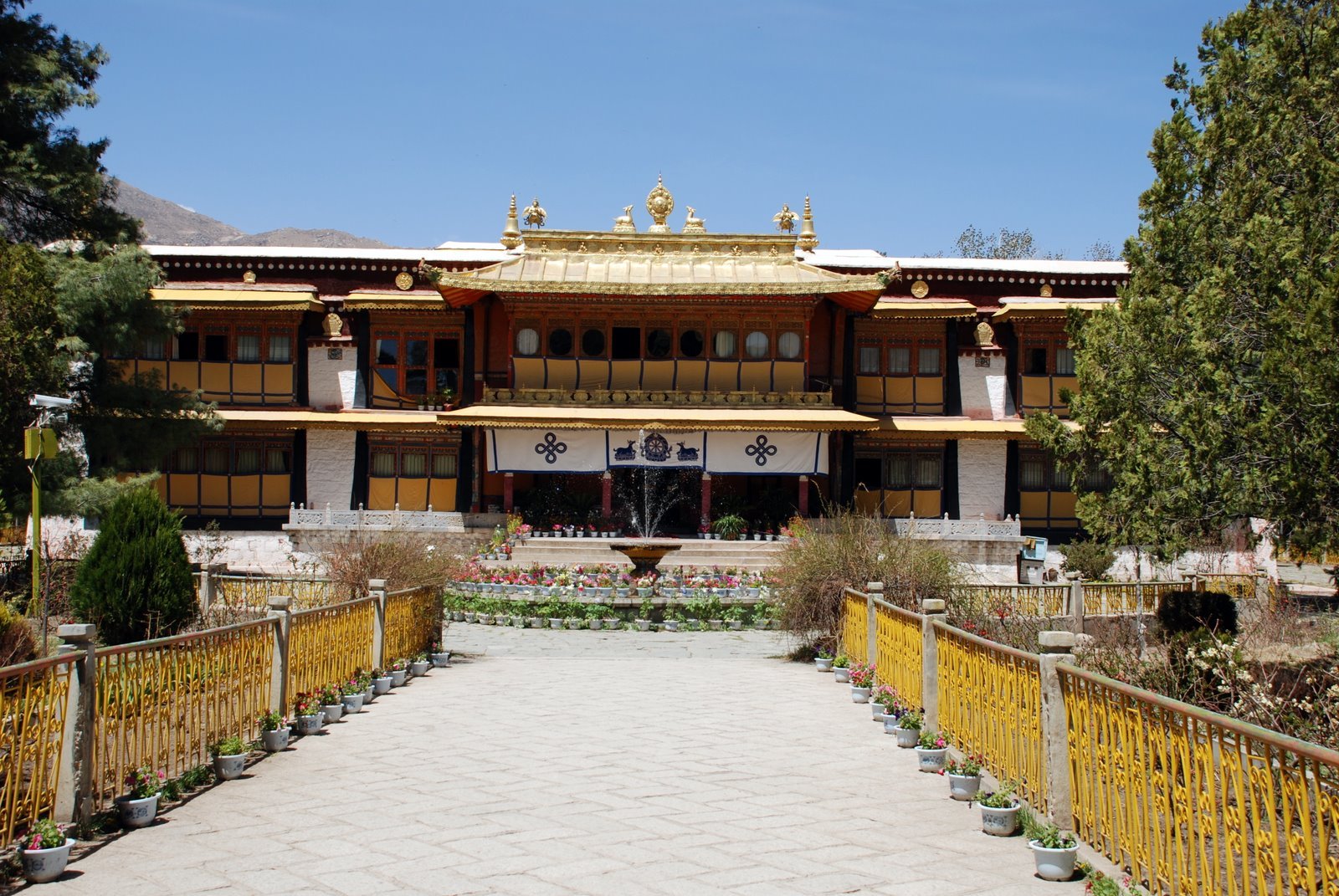
Norbulingka consists of several important palace areas, including Kelsang Potrang, Tsokyil Potrang, Golden Linka, Chensel Potrang, and Takten Migyur Potrang. Each palace complex combines three elements: the palace buildings, open courtyards in front of the palaces, and surrounding gardens.
The Kelsang Potrang, named after the Seventh Dalai Lama, is a three-story palace containing Buddhist halls, bedrooms, study rooms, and meditation chambers. The Tsokyil Potrang, built during the period of the Eighth Dalai Lama, is considered one of the most elegant parts of Norbulingka. The nearby Khamsum Zilnon Pavilion, featuring traditional Han Chinese architectural elements, was once a place where Dalai Lamas enjoyed Tibetan opera performances.
During the time of the Thirteenth Dalai Lama, additional buildings including Golden Linka and Chensel Potrang were constructed, and extensive gardens with flowers and trees were added. In 1954, the Fourteenth Dalai Lama built Takten Migyur Potrang, also known as the New Summer Palace, meaning “Eternal Palace” in Tibetan. This palace combines the styles of a Tibetan temple and a traditional villa, making it the most magnificent building in Norbulingka.
The New Summer Palace is especially famous for its exquisite murals. The murals in the northern hall depict Sakyamuni Buddha and his eight disciples, while the southern hall presents the history and development of Tibet through vivid illustrated scenes.
Norbulingka reflects both the religious traditions and artistic achievements of the Tibetan people while also incorporating architectural influences from inland China. Recognized for its outstanding cultural significance, Norbulingka was added to the UNESCO World Heritage List in 2001 as an extension of the Potala Palace historic site.
Today, Norbulingka is a peaceful public park and an essential destination for visitors to Lhasa. With its royal history, beautiful gardens, and unique Tibetan architecture, it provides an excellent opportunity to experience the cultural heritage of Tibet.