Located at the great bend of the Yarlung Zangbo Grand Canyon in eastern Tibet, Namjagbarwa Peak is one of the most spectacular mountain landscapes in the Himalayas and a must-see destination for travelers visiting Nyingchi.
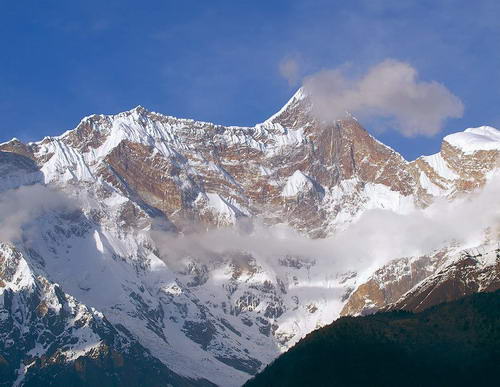
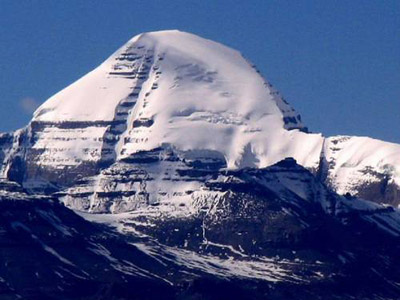
Rising to an altitude of 7,782 meters (25,531 feet), Namjagbarwa is the 15th highest mountain in the world and one of the highest peaks in Tibet. Due to its steep slopes, complex terrain, and unpredictable weather conditions, it is regarded as one of the most challenging mountains for climbers. The peak remained unclimbed for many years before being successfully conquered by a Sino-Japanese mountaineering expedition in 1992.
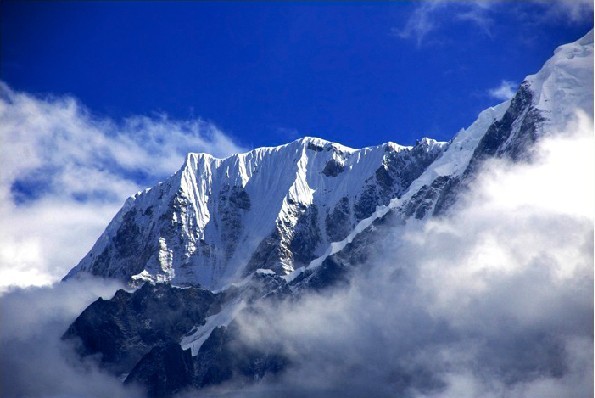
In Tibetan, Namjagbarwa means “a long lance piercing into the sky.” Its sharp summit, towering glaciers, and mysterious clouds have made it one of the most iconic symbols of Tibet’s natural beauty.
A Snow Mountain Surrounded by a Garden Landscape
Unlike many high-altitude areas of Tibet, Nyingchi is known for its lush forests, rivers, and abundant vegetation, earning it the reputation of “the Switzerland of Tibet.” Namjagbarwa Peak perfectly combines snow-covered mountains with a rich natural environment.
The mountain is often hidden behind clouds and mist, creating a mysterious atmosphere. From the summit down to the valleys, the landscape contains multiple ecological zones, including tropical rainforests, subtropical forests, alpine grasslands, glaciers, and snowfields. This remarkable variety of ecosystems has created a natural museum of mountain biodiversity.
Every spring, the region around Namjagbarwa becomes famous for its spectacular peach blossom season. Pink peach flowers blooming against the backdrop of snow-capped peaks create one of the most beautiful scenes in Tibet and attract photographers and travelers from around the world.
Best Places to View Namjagbarwa Peak
About 50 kilometers from Nyingchi City, visitors can reach viewpoints along the Yarlung Zangbo River Canyon to enjoy impressive views of the mountain.
Among the best viewpoints, Sejila Mountain Pass offers one of the most panoramic perspectives of Namjagbarwa Peak. On clear days, travelers can admire the magnificent snow peak rising above the surrounding forests and valleys.
Other nearby attractions include:
* Yarlung Zangbo Grand Canyon – one of the deepest and longest canyons in the world, featuring dramatic landscapes and diverse ecosystems.
* Lulang Forest – a beautiful alpine forest area surrounded by snow mountains and grasslands.
* Bomi County – famous for its spring peach blossoms and Tibetan village scenery.
* Namjagbarwa Great Bend – the spectacular turning point where the Yarlung Zangbo River creates a magnificent natural panorama.
Geological and Natural Significance
Namjagbarwa stands at the eastern end of the Himalayas, while Nanga Parbat stands at the western end. Together, these two peaks mark important geological points where the Himalayan mountain system connects with the collision zone between the Indian and Eurasian plates.
At the great bend of the Yarlung Zangbo River, Namjagbarwa rises dramatically above the surrounding landscape. The valley below features tropical rainforest, while higher elevations are covered with glaciers and permanent snow. This extraordinary vertical landscape allows visitors to experience tropical forests and icy mountain worlds within the same region.
Legends and Cultural Meaning
According to Tibetan legend, Namjagbarwa is a sacred mountain where deities once descended from heaven. The clouds surrounding the summit are believed to resemble smoke rising from burning mulberry branches used in religious ceremonies.
The mountain’s mysterious atmosphere, combined with its spectacular natural scenery, has made Namjagbarwa an important spiritual symbol in Tibetan culture.
A Paradise of Mountains, Rivers, and Tibetan Villages
Standing at the foot of Namjagbarwa, travelers can enjoy a breathtaking landscape where snow-covered peaks reflect in clear rivers, glaciers flow through ancient forests, and colorful Tibetan villages sit peacefully among grasslands.
Traditional villages, herds of cattle and sheep, local Tibetan people, and wildflowers blooming across the valleys create a picturesque scene that represents the untouched beauty of Tibet.
For travelers seeking dramatic mountain scenery, unique Tibetan culture, and unforgettable natural experiences, Namjagbarwa Peak is one of the most remarkable destinations on the Qinghai-Tibet Plateau.