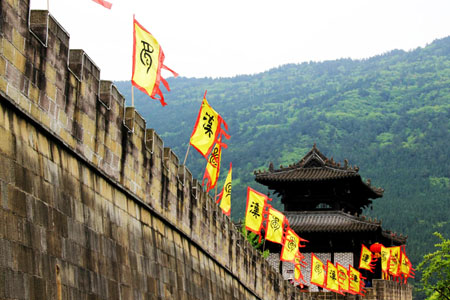
Longwu Temple, also known as Lower Wutun Monastery, is an important Tibetan Buddhist monastery located in Tongren (known as Rebkong in the Amdo Tibetan region). Situated about 186 kilometers from Xining, the monastery is one of the most significant religious and cultural sites in eastern Qinghai.
Founded in 1301, Longwu Temple has a history of more than 700 years. As an important center of Tibetan Buddhism, it preserves valuable religious traditions, historical relics, Buddhist artworks, and architectural features that combine Tibetan and Han Chinese styles.
Magnificent Architecture and Temple Complex
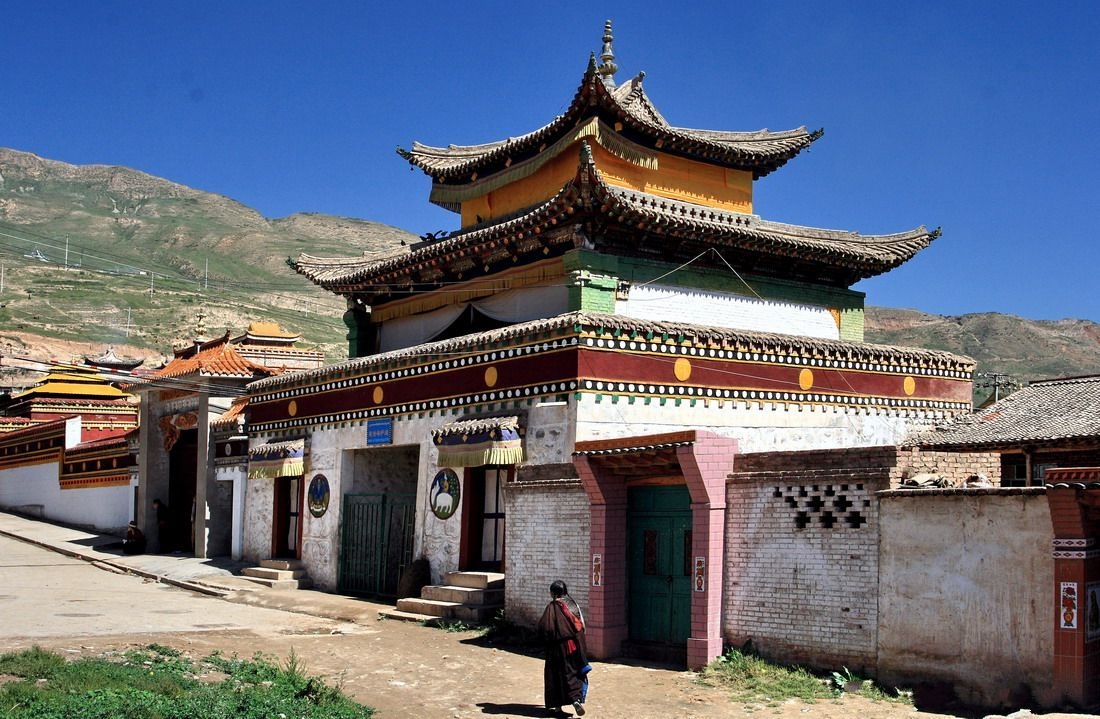
Located at the southwestern end of Longwu Town, the monastery covers a large area and consists of numerous halls, temples, and thousands of monk residences. At its peak, the temple complex extended over approximately 100 hectares, making it one of the largest Tibetan Buddhist monasteries in the region.
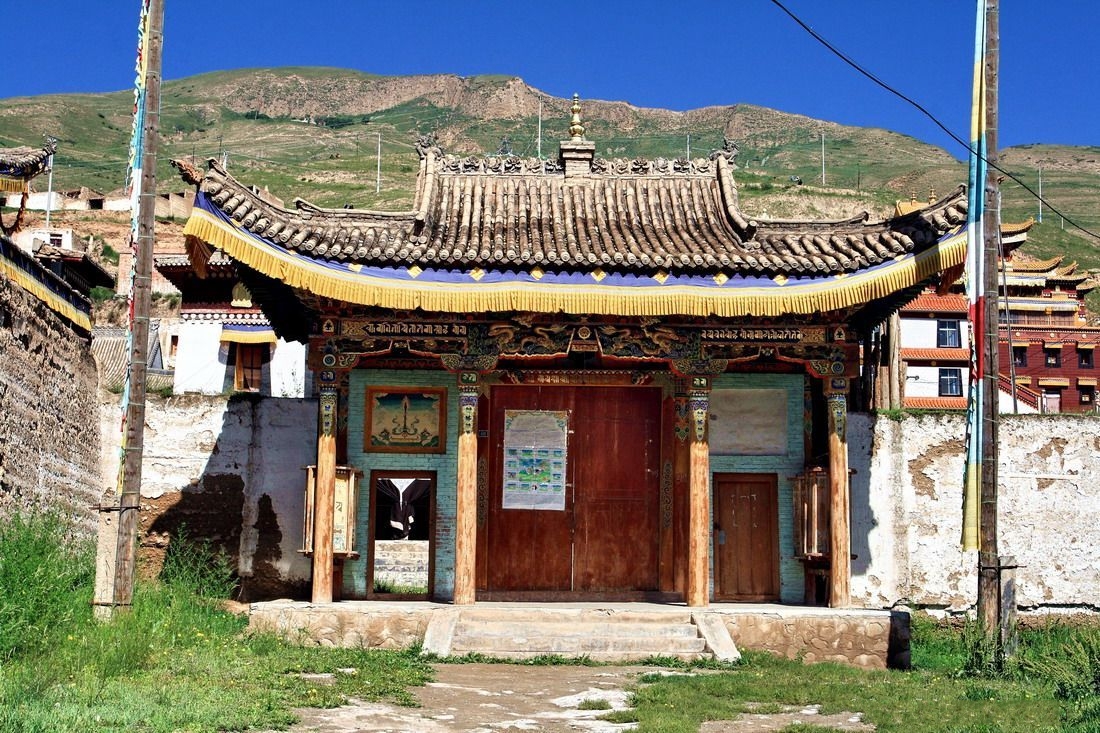
The monastery faces east and is renowned for its grand scale, elegant design, and exquisite decoration. Its architecture combines Tibetan Buddhist characteristics with traditional Chinese elements, featuring:
* Upturned roof eaves
* Curved arches
* Colorful decorations
* Intricate Buddhist sculptures and murals
* Traditional Tibetan religious designs
The central scripture hall covers an area of about 1,700 square meters and contains 18 large pillars and 146 smaller pillars. Inside the hall are statues of important Buddhist figures, including Shakyamuni Buddha and Tsongkhapa.
Buddhist Art and Cultural Treasures
Longwu Temple houses a rich collection of Buddhist artworks and historical relics. Among its treasures are:
* A magnificent 11-meter-high gilded statue of Tsongkhapa
* Large statues of Shakyamuni Buddha and other Buddhist figures
* Exquisite frescoes and religious sculptures
* Precious historical inscriptions and tablets from the Ming Dynasty
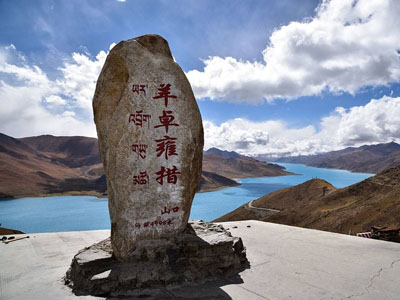
Important relics include the tablet titled “National Master of Broad Practice and Excellent Realization” granted during the Ming Dynasty, as well as the stele known as “Holy Area of the Western Regions.”
These cultural treasures reflect the close relationship between Tibetan Buddhism and the imperial courts of ancient China.
Center of Tibetan Buddhist Studies
Longwu Temple has traditionally served as an important educational center. In 1625, the first Xiaricang, Gedan Jiacuo, established the Xianzong Institute here, and later generations expanded the temple with additional Buddhist halls and study institutions.
Today, the monastery includes several important religious institutes and halls, including:
* Mizong Institute
* Astronomical Institute
* Xianzong Institute
* Tiannv Hall
* Lingta Hall
* Guanyin Hall
* Wenshu Hall
* Quwa Hall
* Matou Hall
* Dajing Hall
These institutions demonstrate the monastery’s long-standing role in Buddhist philosophy, astronomy, scripture studies, and religious education.
Birthplace of Amdo Tibetan Opera
Longwu Temple is also considered the birthplace of Amdo Tibetan opera, an important form of Tibetan traditional performing arts. Performances are held during different seasons and religious festivals, combining storytelling, music, dance, and Buddhist cultural themes.
Religious Festivals and Nearby Temples
Longwu Temple oversees several affiliated temples, including:
* Nianduhu Temple
* Guomari Temple
* Wutun Temple
Major religious events include:
* Prayer meetings from the 13th to 18th day of the first lunar month
* Nidan Prayer Meeting in March
* Jiangfan Festival in September
* Wugong Festival in October
In 1996, Longwu Temple was listed as a National Key Cultural Heritage Site. Today, it attracts travelers, researchers, and Buddhist scholars who come to explore its ancient history, religious traditions, and remarkable cultural heritage.