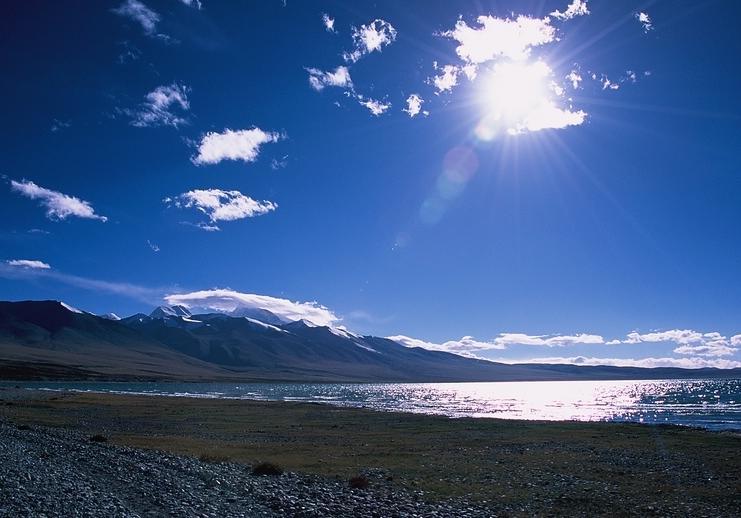
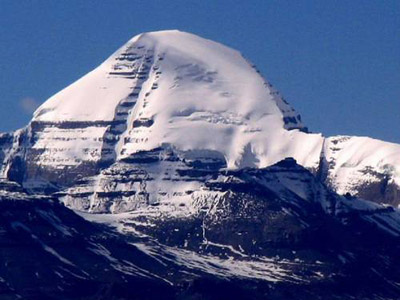
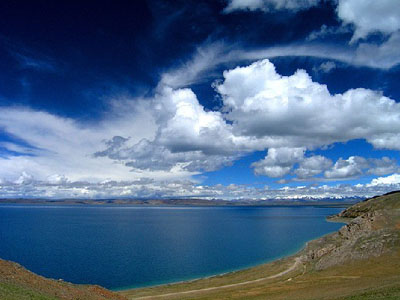
Located south of Mount Kailash, Lake Manasarovar (Mansarovar Lake) is one of the most sacred and breathtaking natural wonders on the Tibetan Plateau. Situated at an altitude of about 4,550 meters (14,950 feet) above sea level, it is regarded as one of the highest freshwater lakes in the world. With its crystal-clear waters, spectacular mountain backdrop, and profound religious significance, Lake Manasarovar attracts pilgrims and travelers from around the globe.
The lake is renowned for its extraordinary beauty. The water near the shoreline often appears bright blue and transparent, while the deeper central area displays a mesmerizing emerald-green color. Surrounded by snow-capped peaks and vast wilderness, the peaceful landscape creates a spiritual atmosphere that has inspired devotion for centuries.
For pilgrims, Lake Manasarovar is an important destination for religious ceremonies, prayers, and offerings to ancestors. According to Hindu beliefs, bathing in the sacred waters of Manasarovar and completing the pilgrimage around Mount Kailash can cleanse one’s sins, free the soul from the cycle of rebirth, and lead to spiritual liberation in union with Lord Shiva.
Religious Significance in Hindu Tradition
In Hindu mythology, Lake Manasarovar is believed to have been created by Lord Brahma, the God of Creation. According to legend, Brahma’s holy sons spent twelve years practicing austerities in the region but lacked a suitable place to conduct their sacred rituals. After they prayed for assistance, Lord Brahma created the divine lake for them.
Traditional beliefs also describe a sacred jambu tree growing at the center of the lake. Its fruit was believed to possess healing powers capable of curing human suffering, both physical and spiritual.
Buddhist Heritage of Lake Manasarovar
Lake Manasarovar also holds great importance in Tibetan Buddhism. Buddhists associate it with the legendary Anotatta Lake, a sacred lake described in ancient Buddhist texts. According to Buddhist tradition, Queen Maya, the mother of Buddha, was brought to the holy lake by divine beings in a dream. After bathing in its pure waters, she was spiritually purified and prepared to give birth to Buddha.
Due to its deep Buddhist significance, eight monasteries once stood around Lake Manasarovar, symbolizing the Buddhist “Wheel of Life.” Pilgrims who completed the circumambulation route around the lake, visiting the monasteries along the way, were believed to gain blessings and spiritual merit.
Pilgrimage Around Lake Manasarovar
The pilgrimage route around Lake Manasarovar covers approximately 64 miles (about 103 kilometers). Depending on weather conditions, physical ability, and travel arrangements, pilgrims usually complete the journey in two to four days. Walking around the sacred lake offers travelers not only a spiritual experience but also a chance to admire the untouched beauty of western Tibet’s high-altitude landscape.
Today, Lake Manasarovar remains one of the most iconic destinations on the Tibetan Plateau. Together with Mount Kailash, it represents a unique combination of natural beauty, ancient legends, and religious traditions, making it a must-visit destination for travelers seeking cultural depth and extraordinary Himalayan scenery.