 Beyond the famous destinations of Lhasa and Mount Everest, Tibet is home to many hidden gems featuring sacred lakes, ancient monasteries, traditional Tibetan villages, and breathtaking Himalayan landscapes. From the source of the Yellow River in Qinghai to the border towns along the Himalayas, these destinations reveal the diverse natural beauty and rich cultural heritage of the Tibetan Plateau.
1. Maduo – The Source of the Yellow River
Located in Qinghai Province, about 500 kilometers southwest of Xining, Maduo means “the source of the Yellow River” in Tibetan. As the first stop toward Tibet from inland China, this remote county attracts travelers who wish to explore the origin of the river regarded as the cradle of Chinese civilization.
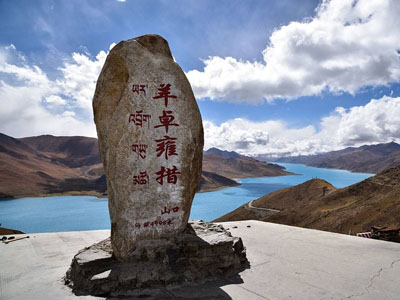
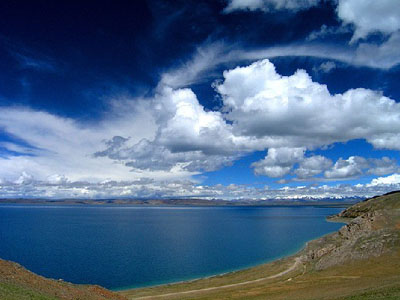
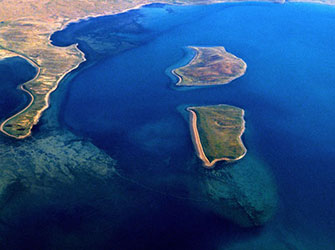
Despite its harsh climate and sparse population, Maduo is blessed with an extraordinary natural environment. The area contains more than 4,000 lakes, among which Zhaling Lake and Eling Lake are the most famous. Between the two lakes stands an Ox Head Monument marking the source of the Yellow River.
With crystal-clear waters, vast grasslands, and abundant wildlife, the lakes provide an important habitat for thousands of migratory birds, especially during spring and winter.
 2. Zetang (Tsedang) – The Cradle of Tibetan Civilization
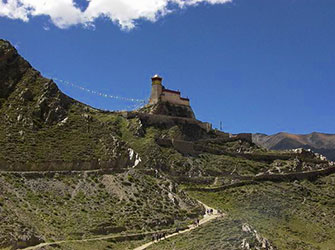
Located about 200 kilometers southeast of Lhasa, Zetang (Tsedang) is widely regarded as the birthplace of Tibetan civilization. According to Tibetan legend, the first Tibetans descended from the union of a sacred monkey and a demoness, whose six offspring became the ancestors of the Tibetan people.
Zetang offers visitors a fascinating combination of mythology, history, and culture. The area is home to important historical sites such as the Monkey Cave, the first cultivated farmland of Tibet, and Yumbulakang Palace, believed to be the first palace of the Tibetan kings.
Beyond its historical treasures, visitors can experience authentic Tibetan life through traditional foods and drinks, including fragrant butter tea and highland barley wine.
3. Danba – The Charming “Beauty Valley”
Located about 370 kilometers from Chengdu, Danba County is the cultural center of the Jiarong Tibetan region in Garze, Sichuan Province. Surrounded by mountains and valleys, Danba is famous for its stunning landscapes, unique Tibetan architecture, and beautiful local traditions.
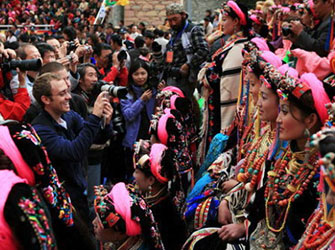 Known as the “Beauty Valley,” Danba is admired not only for its picturesque scenery but also for the beauty and hospitality of local Tibetan women. Every year, the region hosts the Beauty Festival, celebrating traditional Jiarong Tibetan culture.
Danba is also famous for its distinctive stone tower villages and stone houses, which combine ancient construction techniques, religious traditions, and unique local Feng Shui concepts.
4. Manigango – The “Cowboy Town of China”
Located along the northern route of the Sichuan-Tibet Highway, Manigango has historically been an important transportation hub connecting Sichuan, Qinghai, and Yunnan. It was once a key trading center along the ancient Tea Horse Road.
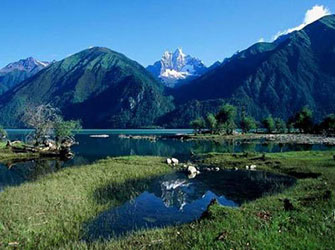
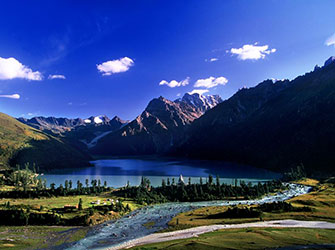
About 10 kilometers from Manigango lies Yilhun Lhatso (Xinluhai Lake), a spectacular alpine lake surrounded by forests, grasslands, and snow-covered mountains. The peaceful scenery, crystal-clear water, and colorful prayer stones engraved with Buddhist scriptures create a magical atmosphere.
 The local Tibetan nomadic lifestyle has shaped a strong and resilient community. Many local residents still maintain traditional customs, living alongside yaks, horses, and vast grasslands.
5. Mainling – A Fairyland in Tibet
Located in southeastern Tibet, Mainling County is a paradise of snow mountains, forests, rivers, and valleys. Known as a natural wonderland, Mainling remains largely untouched by modern development.
The region is home to some of Tibet’s most spectacular landscapes, including the Yarlung Tsangpo Grand Canyon, the world’s deepest canyon, and the majestic Namcha Barwa Peak, one of the highest mountains in Tibet.
Mainling also features unique natural attractions such as the reverse-flow phenomenon at the meeting point of the Yarlung Tsangpo River and Niyang River, natural hot springs, ancient forests, glaciers, and waterfalls.
With more than 720 species of seed plants, including pine trees, ferns, and rhododendrons, Mainling is one of the richest ecological areas in Tibet.
6. Zayul – The “Water Town of Tibet”
Located in southeastern Tibet between the Himalaya Mountains and Hengduan Mountains, Zayul is known as the “Water Town of Tibet” because of its abundant rainfall, rivers, and lakes.
Unlike many dry regions of the Tibetan Plateau, Zayul enjoys a mild climate and fertile land, allowing a wide variety of fruits, vegetables, and crops to grow. It is also considered one of the earliest areas in Tibet where tea cultivation developed.
With green valleys, flowing rivers, and diverse landscapes, Zayul offers visitors a different side of Tibet filled with natural beauty and tranquility.
7. Bomi – The “Tibetan Switzerland”
Located along the southern route of the Sichuan-Tibet Highway, Bomi County is one of the most beautiful destinations in southeastern Tibet. Its dramatic scenery of snow mountains, forests, glaciers, and lakes has earned it the nickname “Tibetan Switzerland.”
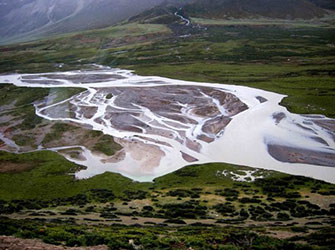 Bomi is home to Kaqin Glacier, one of the largest marine-type glaciers in China. In spring, especially around March and April, vast peach blossom forests cover the valleys, creating a spectacular contrast with snow-capped peaks.
The famous Ranwu Lake, located at an altitude of more than 3,800 meters, changes color with the seasons, ranging from deep blue to turquoise. The lake reflects surrounding mountains, forests, and clouds like a giant natural mirror.
8. Zham (Zhangmu) – A Hillside Border Town
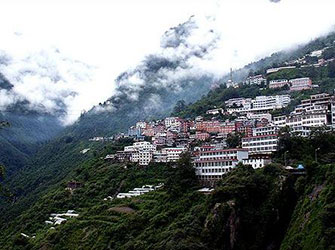
Located on the China-Nepal border at an altitude of about 2,300 meters, Zham (Zhangmu) is a unique Tibetan mountain town with a humid subtropical climate.
Due to its lower elevation compared with other parts of Tibet, melting Himalayan snow creates numerous waterfalls along the winding mountain roads. The town features traditional two- and three-story houses decorated with gardens and colorful prayer flags.
As an important gateway between China and Nepal, Zhangmu is not only a scenic destination but also a lively trading center filled with local markets and cultural exchanges.
9. Gyirong – The “Happiness Town”
The Tibetan name Gyirong means “Happiness Town.” Located near the border between China and Nepal, Gyirong enjoys a mild climate, lush vegetation, and spectacular Himalayan scenery.
The region combines natural beauty with rich cultural heritage. Visitors can admire snow-covered mountains such as Mt. Yangrankangri and Mt. Langbokangri, explore traditional villages, and visit historic temples including Paba Temple and Chagadasuo Temple.
With its green valleys and peaceful atmosphere, Gyirong is one of the most charming destinations along the Tibet-Nepal cultural route.
10. Yadong – A Himalayan Frontier Town
Located in the southern Himalayas near the borders of Sikkim and Bhutan, Yadong County is a beautiful frontier destination in Tibet. Covering more than 4,000 square kilometers and located at around 3,000 meters above sea level, its Tibetan name means “deep valley with rushing water.”
Thanks to its lush valleys and favorable climate, Yadong is known for local specialties such as Yadong fish and highland barley wine.
 Major attractions include Donggar Monastery, Garju Monastery, and Kangbu Hot Spring. As an important trade route between China and India, Yadong combines natural beauty, Tibetan culture, and cross-border history.
Conclusion
From ancient Tibetan civilization and sacred Buddhist sites to untouched valleys, alpine lakes, and Himalayan border towns, these hidden destinations showcase the incredible diversity of Tibet. For travelers seeking authentic Tibetan culture and extraordinary landscapes beyond the classic routes, these places offer unforgettable experiences on the Tibetan Plateau.