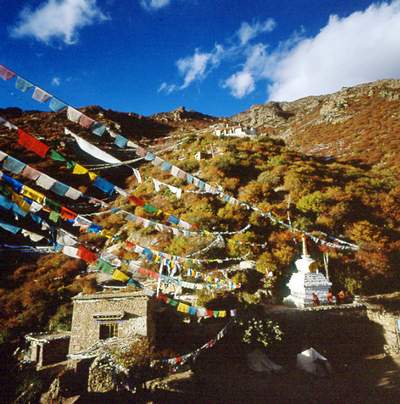
Located on the northern bank of the Yarlung Tsangpo River, about 8 kilometers northeast of Samye Monastery, Chimpu Meditation Center is one of the most sacred meditation sites in Tibet. Hidden halfway up Narein Hill at an altitude of approximately 4,300 meters, Chimpu is surrounded by mountains and offers a peaceful environment ideal for Buddhist practice, trekking, and experiencing the spiritual atmosphere of the Tibetan plateau.
Known as a sacred retreat for Buddhist masters and pilgrims, Chimpu is not only an important religious destination but also a beautiful natural area where travelers can enjoy dramatic mountain scenery, fresh plateau air, and a sense of tranquility away from crowded tourist routes.
Meaning and Landscape of Chimpu
The name “Chimpu” has a special meaning in Tibetan. “Chim” refers to the Chim clan, while “Pu” means the upper part of a ravine. The landscape around Chimpu perfectly reflects its name, as the meditation center lies in a secluded basin surrounded by mountains on three sides.
The surrounding peaks resemble two hands embracing the valley, while the southern side gradually opens toward the wide valley of the Yarlung Tsangpo River. This unique geographical setting creates a natural sanctuary protected from strong sunlight and cold winds, making Chimpu an ideal place for meditation and high-altitude trekking.
Religious Significance of Chimpu
Chimpu has been an important spiritual center in Tibetan Buddhism for centuries. According to tradition, many great Buddhist masters, including Padmasambhava (Guru Rinpoche), practiced meditation here and left behind sacred relics and religious traces.
Before the decline of the earlier flourishing period of Tibetan Buddhism, numerous Buddhist scriptures were believed to have been hidden in the caves and mountains around Chimpu. During the later revival period of Tibetan Buddhism, many treasure discoverers (tertons) came here searching for these hidden scriptures, making Chimpu an important site in Tibetan Buddhist history.
Because of its deep spiritual connection with Samye Monastery, many Tibetans believe that a pilgrimage to Samye is incomplete without visiting Chimpu. Together, these two sites form one of the most important Buddhist pilgrimage destinations in the Yarlung Valley.
Chimpu Meditation Caves and Retreats
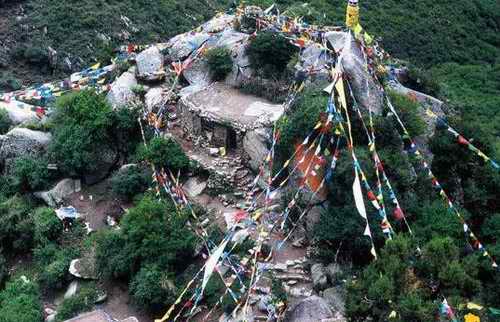
The meditation centers and caves of Chimpu are scattered throughout the mountain area, providing peaceful spaces for Buddhist practitioners. For centuries, monks and spiritual masters have chosen these remote caves for meditation and religious study.
The quiet environment, dramatic mountain landscape, and isolation from modern life make Chimpu an ideal place for visitors interested in Tibetan Buddhism, spiritual journeys, and cultural exploration.
Trekking and Travel Experience
Beyond its religious importance, Chimpu is also an excellent destination for trekking. The mountain paths, valleys, and panoramic views of the Yarlung Tsangpo River create a memorable outdoor experience.
The journey from Samye Monastery to Chimpu is only about 10 kilometers, but due to the mountain road conditions, transportation can be slow. Travelers can usually reach Chimpu by local vehicles or rented transportation. During major pilgrimage periods and holidays, local trucks are often available for pilgrims traveling between Samye and Chimpu.
The remote location and challenging journey are part of Chimpu’s charm, rewarding visitors with untouched landscapes and a rare opportunity to experience authentic Tibetan spiritual culture.
Visiting Chimpu Meditation Center
Often described as a hidden wonderland filled with mystery and imagination, Chimpu offers a unique combination of natural beauty, Buddhist heritage, and peaceful surroundings. For travelers exploring the Samye Monastery area, a visit to Chimpu provides a deeper understanding of Tibet’s spiritual traditions and the ancient meditation practices that have shaped Tibetan Buddhism.