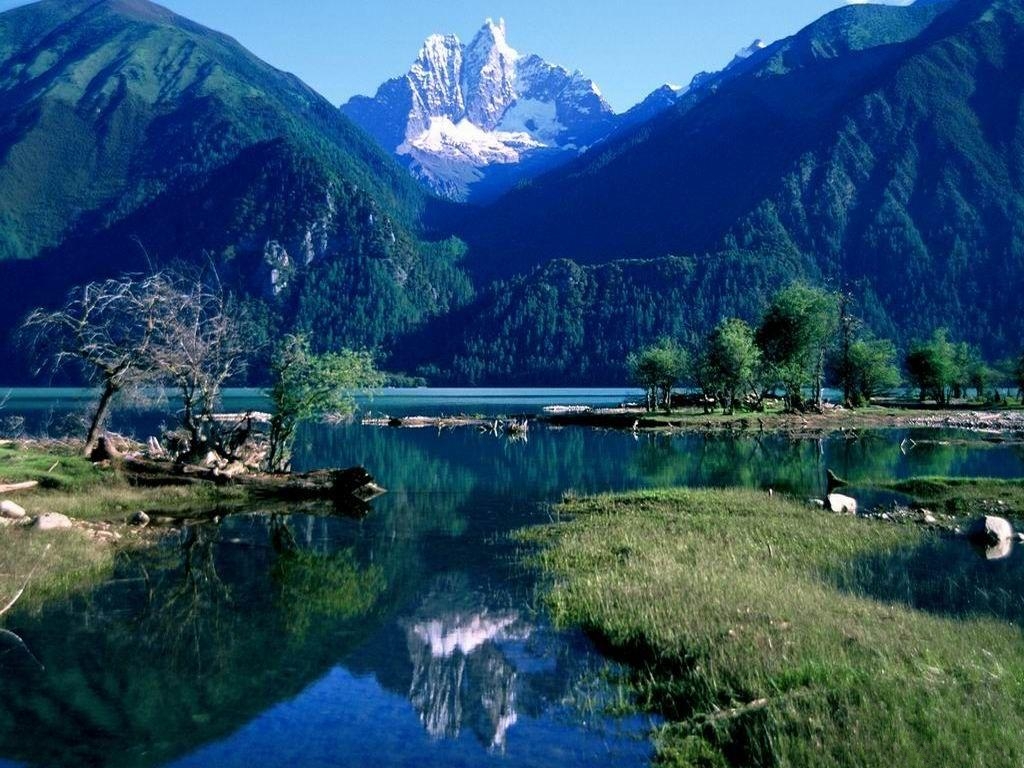
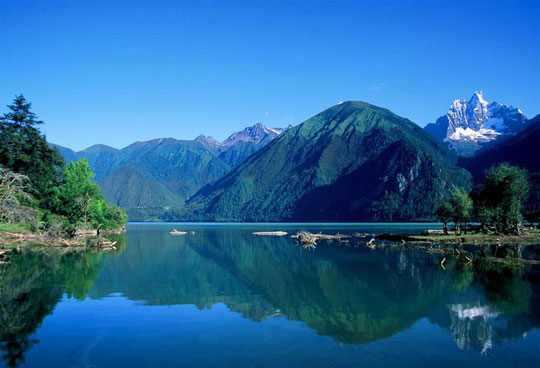
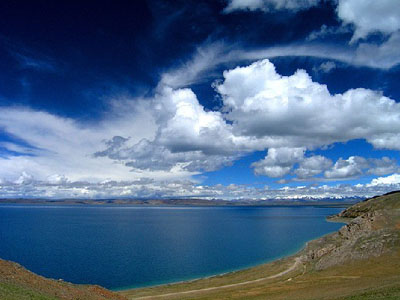
Located in Gongbo’gyamda County, about 300 kilometers east of Lhasa and close to the Sichuan–Tibet Highway, Basum Tso (also known as Draksum Tso or Cuogao Lake) is one of the most beautiful alpine lakes in Tibet. The name “Cuogao” means “green water” in Tibetan, reflecting the lake’s crystal-clear turquoise waters surrounded by lush forests and snow-covered mountains.
Situated at an altitude of approximately 3,700 meters, Basum Tso covers an area of about 27 square kilometers and stretches for nearly 18 kilometers. As a sacred lake of the Nyingma School of Tibetan Buddhism, it is not only a natural wonder but also an important pilgrimage destination with deep religious significance.
Natural Beauty of Basum Tso
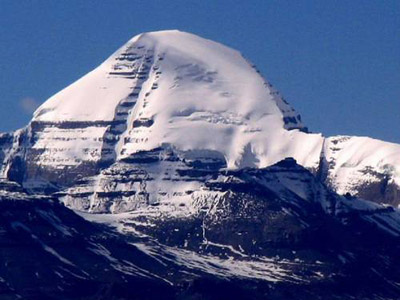
Surrounded by magnificent mountains, Basum Tso enjoys a relatively mild climate compared with many other high-altitude areas of Tibet. At the foot of snow-capped peaks, dense forests of spruce, pine, cypress, birch, maple, and rhododendron create a spectacular landscape often described as a “green paradise” in eastern Tibet.
The lake is about 18 kilometers long, with an average width of around 1.5 kilometers and a maximum depth of approximately 120 meters. Fed by rainfall and melting snow from surrounding glaciers, the lake remains clear throughout the year and does not completely freeze even during winter.
The surrounding area features typical glacial landforms, including U-shaped valleys, sharp mountain peaks, and cirques. The combination of turquoise waters, alpine forests, glaciers, and snow-covered mountains makes Basum Tso one of Tibet’s most scenic destinations.
Tsodzong Monastery: A Sacred Island Temple
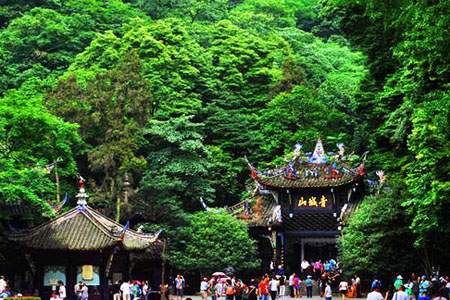
One of the highlights of Basum Tso is a small island near the southern shore of the lake, about 3 kilometers from the lower section of the lake. Covering an area of approximately 2,000 square meters, the island is home to the ancient Tsodzong Monastery of the Nyingma tradition.
According to local tradition, the monastery dates back more than 1,500 years to the period of the ancient Tibetan Tubo Kingdom. The temple mainly worships Padmanatesvara, an important Buddhist figure in Tibetan religious tradition.
The monastery and surrounding landscape are filled with legends. Local beliefs associate many natural features around the lake with sacred figures and historical heroes, including:
* Hoof marks of Gesar King’s horse on stones near a statue of Mahakala.
* Sword marks left by King Gesar on nearby rocks.
* Naturally formed Tibetan characters appearing on leaves.
* Footprints believed to belong to Songtsen Gampo.
* A holy spring said to have been used by Padmanatesvara.
These legends have contributed to Basum Tso’s reputation as a mysterious and spiritually powerful place.
Pilgrimage and Cultural Experience
Every year, many Tibetan pilgrims travel to Basum Tso to complete a sacred circumambulation around the lake. Visitors can witness traditional religious activities, including lighting butter lamps, burning incense, offering prayers, and worshipping at Tsodzong Monastery.
The peaceful atmosphere of the lake, combined with ancient Buddhist traditions and local legends, provides travelers with a unique opportunity to experience the spiritual side of Tibet beyond its famous mountains and monasteries.
Visiting Basum Tso
With its pristine natural environment, rich Buddhist heritage, and breathtaking scenery, Basum Tso is one of the most rewarding destinations in eastern Tibet. It is especially suitable for travelers interested in photography, nature exploration, Tibetan culture, and peaceful outdoor experiences.
A visit to Basum Tso offers an unforgettable journey through forests, glaciers, sacred temples, and one of Tibet’s most beautiful high-altitude landscapes.