Located in the western part of Garze Tibetan Autonomous Prefecture, Baiyu (also spelled Payul or Baiyu County) is a remote Tibetan town on the southeastern edge of the Qinghai–Tibet Plateau. Situated along the upper reaches of the Jinsha River, Baiyu lies between major Tibetan cultural areas such as Derge, Batang, Litang, and Garze. Across the river, it faces Gonjo and Jomda counties of Tibet.
With most of its residents belonging to the Tibetan ethnic group, Baiyu preserves a strong traditional Tibetan atmosphere. Due to its remote location and challenging transportation conditions, the region has remained relatively untouched, with vast areas of virgin forest, pristine valleys, and unique cultural traditions.
Natural Landscape and Remote Beauty
For centuries, Baiyu was isolated from major transportation routes. Until the 1970s, only rough mountain roads connected the town with surrounding areas, helping preserve its original natural environment.
Driving south along the Jinsha River offers travelers spectacular views of deep valleys, alpine forests, and rugged mountain landscapes. The region’s untouched scenery makes Baiyu an ideal destination for travelers seeking an authentic experience of western Sichuan’s Tibetan areas.
The county is also rich in natural resources. Baiyu has historically been known for gold mining, and some of the largest gold deposits discovered in China have been found in the area. Local people have traditionally searched for gold in riverbeds and mountain areas.
Baiyu Knife: A Traditional Tibetan Craft
One of Baiyu’s most famous cultural products is the Baiyu knife, a traditional Tibetan handicraft known for its fine craftsmanship and practical design.
The Baiyu knife is regarded as one of the four most famous Tibetan knives, together with:
* Nanmulin Knife from Tibet
* Lhatse Knife from Tibet
* Yushu Knife from Qinghai
These traditional knives are not only daily tools but also important cultural symbols reflecting Tibetan craftsmanship and artistic traditions.
Unique Tibetan Customs and Traditions
Baiyu is known for preserving distinctive local customs that are different from other Tibetan regions. One of the most unique traditions historically associated with the area is tree burial, in which the bodies of deceased young children were placed in trees rather than being buried or cremated.
This practice reflects ancient local beliefs about life, nature, and the relationship between humans and the environment. Today, such traditions are rarely practiced but remain an important part of Baiyu’s cultural history.
The region has also maintained traditional social structures, including the local Geba organization, which reflects the historical community system of Tibetan society.
Baiyu Monastery: A Center of Nyingma Buddhism
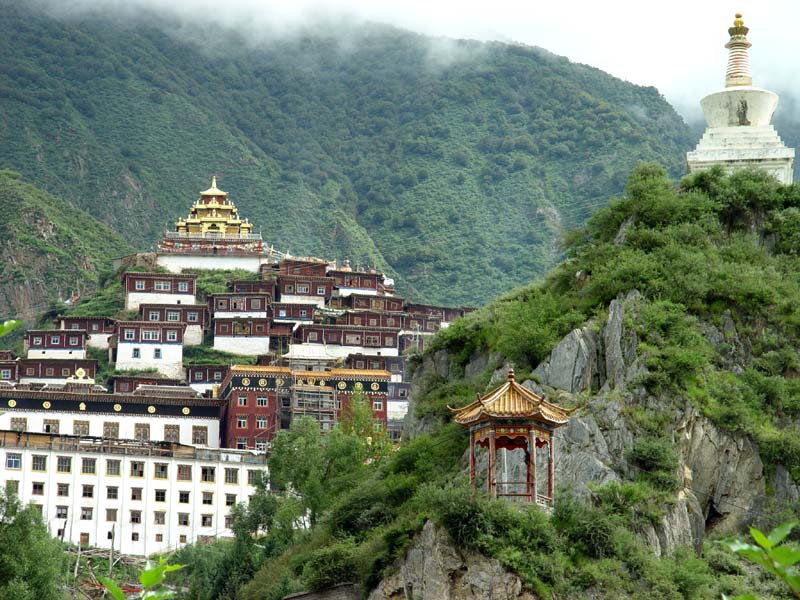
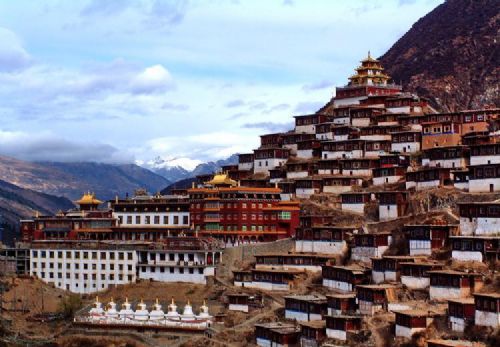
Located on a hill north of Baiyu town, Baiyu Monastery is one of the most important Tibetan Buddhist monasteries in the area. Founded in 1675, the monastery belongs to the Nyingma School of Tibetan Buddhism and its name represents an auspicious and sacred place.
The monastery sits on a hillside overlooking the surrounding landscape, offering visitors a peaceful environment to experience Tibetan Buddhist traditions, architecture, and religious practices.
Another important Nyingma monastery in the region is Katok Monastery (Kato Monastery), located on a mountain peak in Hepo Village. It is one of the most renowned Nyingma monasteries in Tibetan Buddhist history and attracts practitioners from across Tibetan regions.
Visiting Baiyu
With its spectacular natural scenery, ancient monasteries, traditional handicrafts, and preserved Tibetan culture, Baiyu offers travelers a rare opportunity to explore a less-developed and authentic Tibetan destination in western Sichuan.
A journey to Baiyu is ideal for travelers interested in Tibetan Buddhism, cultural heritage, mountain landscapes, and off-the-beaten-path adventures. The remote roads may require extra travel time, but the reward is an unforgettable experience of one of Sichuan’s most distinctive Tibetan regions.