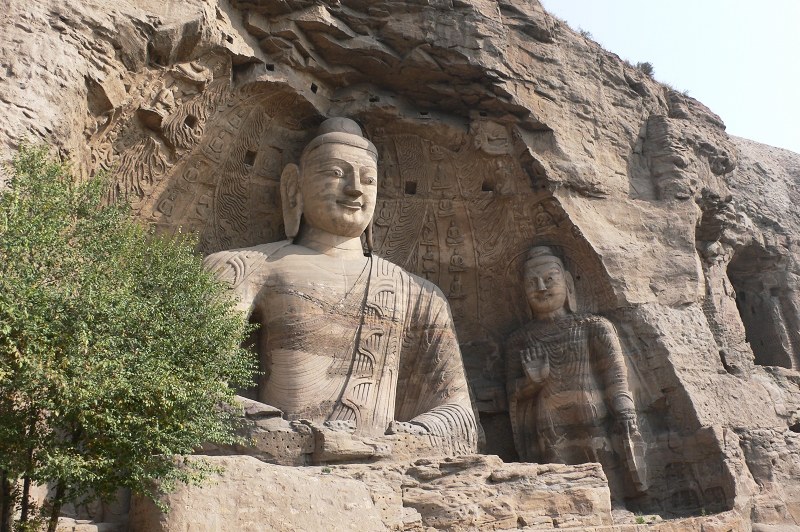
The Yungang Grottoes (云冈石窟, Yungang Shiku) are one of China’s most remarkable ancient Buddhist cave complexes, located near Datong City in Shanxi Province. Together with the Longmen Grottoes in Luoyang and the Mogao Caves in Dunhuang, the Yungang Grottoes are recognized as one of the three greatest ancient Buddhist sculptural sites in China.
Carved into the cliffs at the foot of Wuzhou Mountain, about 16 kilometers southwest of downtown Datong, the Yungang Grottoes represent the outstanding achievements of Chinese Buddhist art during the 5th and 6th centuries.
The grottoes were mainly created between 460 and 525 AD during the Northern Wei Dynasty (386–534 AD), when Datong served as the capital of the dynasty. They demonstrate the remarkable artistic development and cultural exchanges that took place along ancient trade routes.
Magnificent Buddhist Cave Art
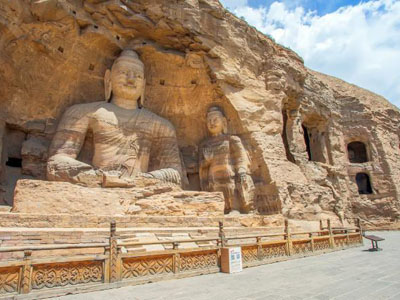
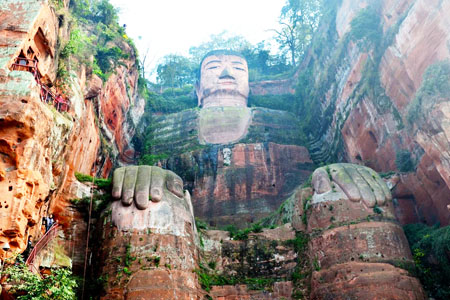
The Yungang Grottoes consist of 252 caves and niches containing more than 51,000 Buddhist statues and sculptures. The carvings range from small decorative figures to enormous Buddha statues carved directly into the sandstone cliffs.
The sculptures display a unique artistic style that combines Indian and Central Asian Buddhist influences with traditional Chinese artistic techniques. Visitors can admire detailed carvings of Buddha figures, heavenly guardians, flying apsaras, musicians, and various Buddhist symbols.
Among the most famous caves are:
* Cave 5: Known for its enormous seated Buddha statue, which is about 17 meters high and is considered one of the masterpieces of Yungang art.
* Cave 6: Famous for its richly decorated wooden-style pagoda carved inside the cave and colorful Buddhist scenes.
* Caves 16–20: Among the earliest caves, featuring some of the most iconic Northern Wei Buddhist sculptures, including the famous “Open-air Buddha” of Cave 20.
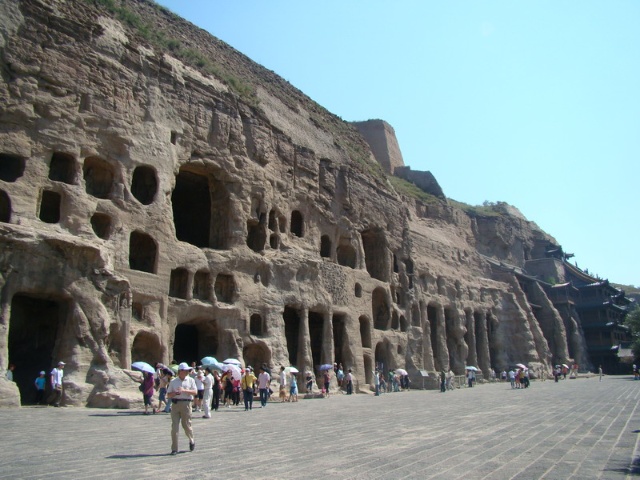 A Fusion of Cultures and Religions
The artistic value of Yungang Grottoes lies not only in its scale but also in its cultural significance. The sculptures reflect the integration of Buddhist traditions from South and Central Asia with Chinese culture during the Northern Wei Dynasty.
Through the artistic styles, clothing patterns, facial features, and architectural details of the sculptures, visitors can observe the influence of different civilizations and the cultural exchanges that shaped ancient China.
UNESCO listed the Yungang Grottoes as a World Heritage Site in 2001, recognizing them as a masterpiece of early Chinese Buddhist cave art and an outstanding example of the successful combination of foreign Buddhist traditions with Chinese cultural heritage.
Visiting Yungang Grottoes
The Yungang Grottoes are one of the most important cultural attractions in Shanxi Province and a highlight of any trip to Datong. Visitors can explore the ancient caves, admire thousands of Buddhist sculptures, and gain a deeper understanding of China’s religious history and artistic achievements.
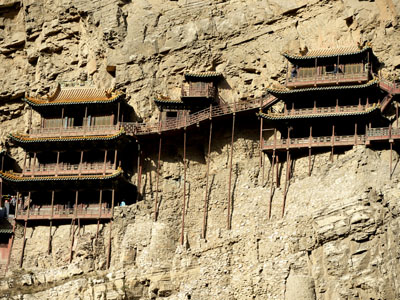
Together with the nearby Hanging Temple and Datong’s historic sites, the Yungang Grottoes offer an unforgettable journey into China’s ancient civilization.