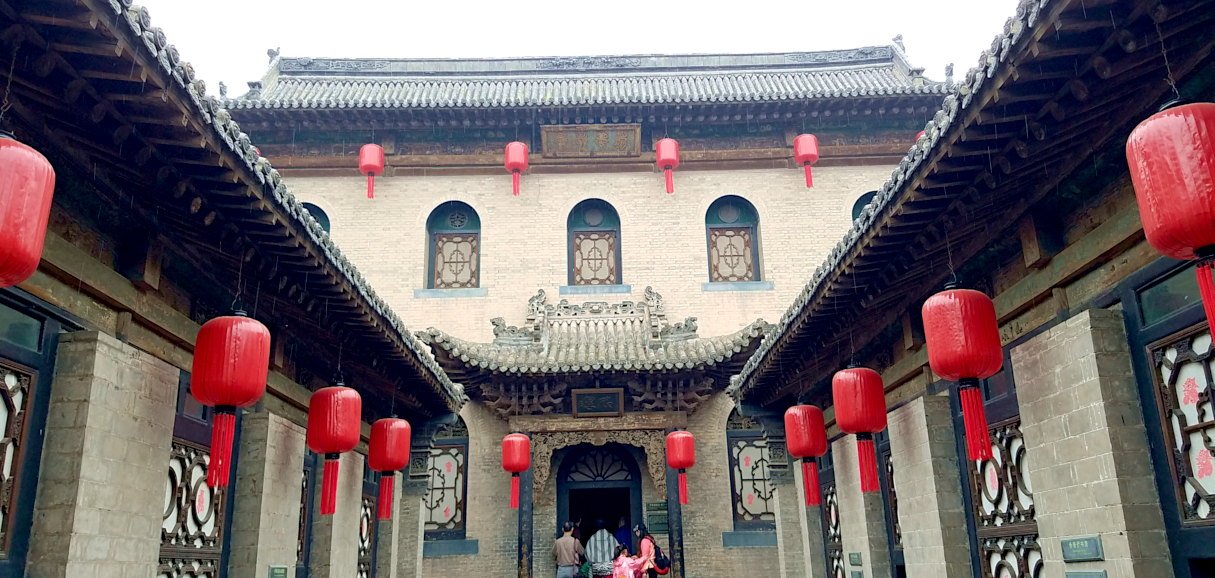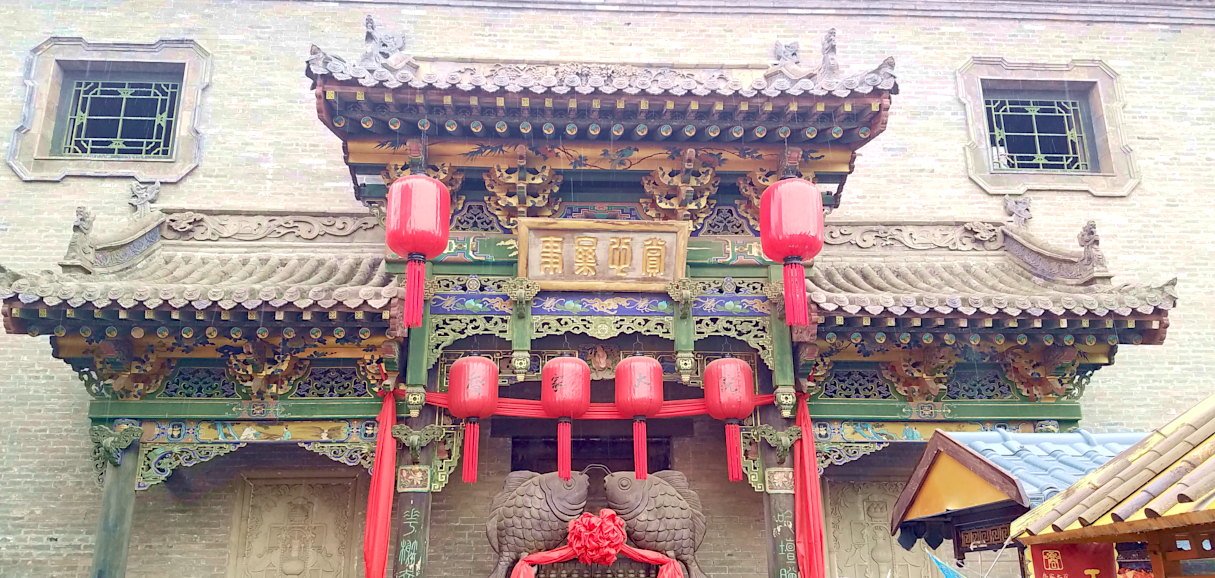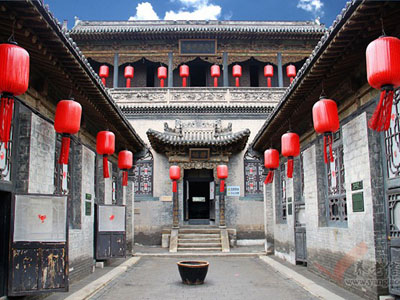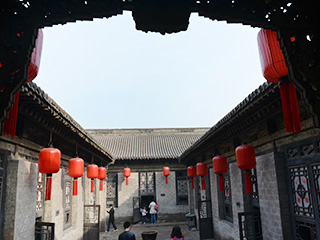
Qiao’s Compound (乔家大院, Qiáo Jiā Dàyuàn) is one of the most famous traditional courtyard residences in Shanxi Province and a remarkable example of the residential architecture of wealthy Chinese merchants during the Qing Dynasty.
Located in Qixian County, Shanxi Province, about 35 kilometers north of Pingyao Ancient City, the compound was the former residence of Qiao Zhiyong, the third-generation leader of the prosperous Qiao family.
The Qiao family built their fortune through businesses such as banking, pawnshops, and tea trading. Under Qiao Zhiyong’s management, the family reached its peak prosperity, and the compound became a symbol of the wealth and social status of Shanxi merchants.
Built in 1756 during the Qing Dynasty (1644–1911), Qiao’s Compound is famous for its grand scale, elegant design, and well-preserved architecture. It gained worldwide attention after being featured as the filming location for the 1991 Chinese film “Raise the Red Lantern”, directed by renowned filmmaker Zhang Yimou.
History of Qiao’s Compound
The Qiao family was part of the famous Shanxi merchant group (Jin merchants), one of the most influential commercial communities in Chinese history.
During the Ming and Qing dynasties, Shanxi merchants played an important role in China’s financial development, operating businesses across the country and establishing early banking systems.
Qiao Zhiyong expanded the family’s business empire and transformed the residence into a grand family compound that reflected both prosperity and traditional Chinese values.
Today, the compound has been converted into a museum, allowing visitors to explore the lifestyle, architecture, and culture of wealthy merchant families in ancient China.
Architectural Features of Qiao’s Compound
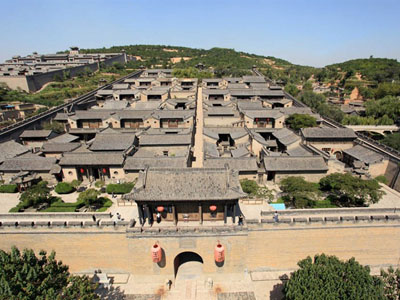
Covering approximately two acres, Qiao’s Compound resembles a small fortress from the outside while displaying exquisite artistic details inside.
The complex features:
* 6 large courtyards
* 20 smaller courtyards
* 313 rooms
* High brick walls surrounding the entire residence
The tall defensive walls, watchtower-like structures, and enclosed courtyard layout create a majestic and secure appearance.
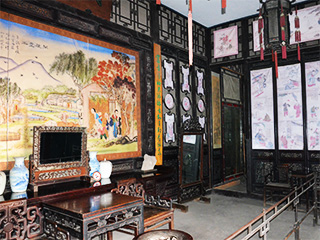
However, inside the compound, visitors will find a completely different atmosphere, with beautifully decorated rooms, delicate carvings, and carefully arranged living spaces.
 Unique Layout and Decorative Art
One of the most remarkable features of Qiao’s Compound is its overall layout, which resembles the Chinese character “囍” (double happiness), a traditional symbol representing good fortune and family prosperity.
The architecture combines practicality with artistic beauty. Highlights include:
* Intricately carved wooden doors and windows
* Decorative staircases and railings
* Elegant courtyard gardens
* Various roof designs with different shapes and curves
The contrast between the fortress-like exterior and the refined interior reflects the traditional Chinese concept of combining security, harmony, and beauty.
Qiao’s Compound as a Living Museum
Today, Qiao’s Compound functions as a museum showcasing traditional Shanxi residential culture.
Inside the courtyards, visitors can see:
* Original-style furniture
* Historical household objects
* Traditional decorations
* Exhibitions about Shanxi merchant culture
Walking through the compound feels like stepping back into the daily life of a wealthy Chinese family hundreds of years ago.
The residence provides valuable insight into:
* Qing Dynasty architecture
* Ancient family traditions
* Merchant history
* Traditional Chinese lifestyle
Why Visit Qiao’s Compound?
Qiao’s Compound is one of the best destinations in Shanxi for travelers interested in Chinese history and architecture.
Visitors can experience:
* A magnificent Qing Dynasty mansion
* The culture of Shanxi merchants
* Traditional courtyard architecture
* A famous movie filming location
* Authentic historical atmosphere
Together with Pingyao Ancient City and other Shanxi courtyard residences, Qiao’s Compound represents the rich cultural heritage of northern China.