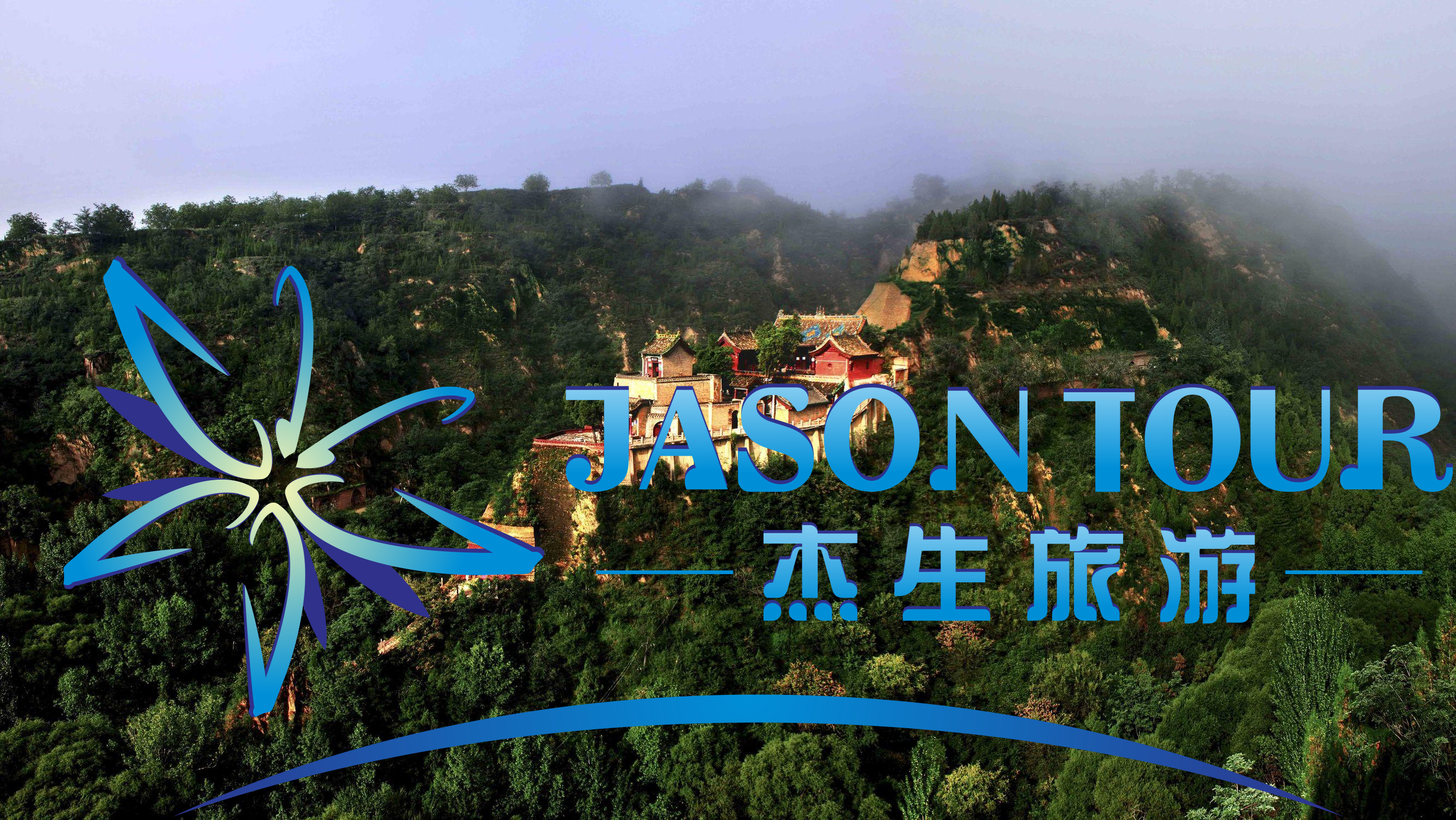
 Xiao Xitian Temple (meaning “Little Western Paradise”) is located on Phoenix Mountain in Xi County, Linfen City, Shanxi Province. Built in 1629 during the Ming Dynasty, the temple has a history of nearly 400 years and is recognized as a National Key Cultural Relic Protection Unit in China.
Although modest in size, Xiao Xitian is internationally renowned for its extraordinary Ming Dynasty suspended clay sculptures, considered among the finest examples of Chinese Buddhist art. In recent years, the temple has gained worldwide attention as one of the real-life locations that inspired scenes in the acclaimed action RPG Black Myth: Wukong, attracting gamers, photographers, and cultural travelers from around the world.
History of Xiao Xitian Temple
Xiao Xitian Temple was founded by Monk Dongming, a Buddhist monk from Mount Wutai, one of China’s Four Sacred Buddhist Mountains. During his travels through Xi County, he discovered a hill resembling a soaring phoenix, covered with dense forests and surrounded by dramatic loess cliffs. Believing it to be an ideal site for a Buddhist sanctuary, he decided to build a temple there.
Monk Dongming spent nearly ten years raising donations before completing the magnificent temple complex, which has remained one of Shanxi’s hidden architectural treasures ever since.
Architecture
Perched atop Phoenix Mountain, Xiao Xitian is surrounded by steep earthen cliffs that create a naturally fortified setting. Visitors reach the temple by climbing a dramatic staircase of 226 stone steps, leading to the entrance gate and offering impressive views of the surrounding landscape.
Although the temple occupies only about 1,100 square meters, it contains 20 buildings arranged in a compact yet harmonious layout. The upper and lower courtyards are connected by a central gateway, making ingenious use of the limited space. Xiao Xitian is often described by four defining characteristics:
* Small in scale
* Exquisite in craftsmanship
* Elegant in design
* Unique in artistic style
Its carefully planned architecture demonstrates the remarkable creativity of traditional Chinese temple design.
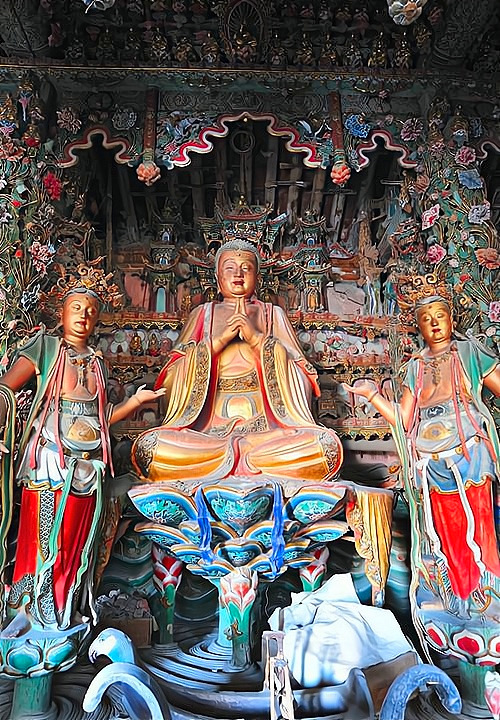 The Magnificent Hanging Clay Sculptures
The greatest treasure of Xiao Xitian Temple is its breathtaking collection of Ming Dynasty suspended painted clay sculptures, widely regarded as one of the highest achievements of Chinese Buddhist sculpture.
The temple houses more than 1,000 vividly painted clay figures, ranging in size from monumental statues over three meters high to delicate miniature figures no larger than a thumb. These sculptures portray Buddhas, Bodhisattvas, heavenly guardians, disciples, celestial musicians, flying apsaras, mythical birds, and sacred animals, all arranged in dynamic compositions that appear to float through the air.
Unlike conventional temple sculptures, many of Xiao Xitian’s figures are suspended from beams and ceilings, creating a remarkable three-dimensional visual effect. The richly colored sculptures cover the walls, columns, beams, and ceilings, transforming the Great Hall into an immersive vision of the Buddhist paradise.
Each figure displays remarkable individuality, expressive movement, and exquisite craftsmanship. The celestial musicians appear to dance gracefully through the air, while flying deities and mythical creatures create a scene of harmony between heaven and earth. The extraordinary artistry, vibrant colors, and intricate details make Xiao Xitian one of the finest surviving masterpieces of Ming and Qing Dynasty Buddhist sculpture.
Why Visit Xiao Xitian Temple?
Whether you are fascinated by Chinese Buddhist art, Ming Dynasty architecture, or the cultural inspiration behind Black Myth: Wukong, Xiao Xitian Temple offers an unforgettable experience. Its compact layout, extraordinary suspended sculptures, and peaceful mountain setting make it one of Shanxi’s most remarkable yet underrated cultural attractions.