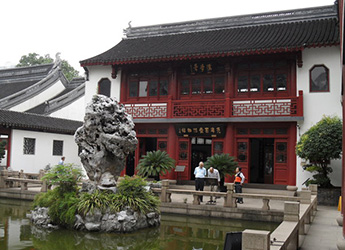
Located in downtown Shanghai, Shanghai Confucius Temple is the only architectural complex dedicated to Confucius (551–479 BC), the great Chinese philosopher and educator, in the central area of the city.
Originally built in 1294 during the Yuan Dynasty, when Shanghai was still developing from a small fishing village into a county town, the temple was later moved to its current location in 1855. Covering an area of approximately 1.13 hectares, the temple has witnessed more than 700 years of Shanghai’s historical transformation.
To commemorate the 2,250th anniversary of Confucius’ birth, the temple underwent major restoration in 1999, preserving its traditional architectural style and cultural significance.
A Combination of Temple and School
In ancient China, Confucius temples were generally divided into three categories:
* Family temples
* State temples
* School temples
Shanghai Confucius Temple is a typical example of a combination of a Confucius temple and an ancient school. It served both as a place to honor Confucius and as an educational institution where scholars studied Confucian teachings.
During ancient times, it was one of the most important centers of learning in Shanghai and played a significant role in promoting Confucian culture, education, and traditional values.
Architecture and Garden Landscape
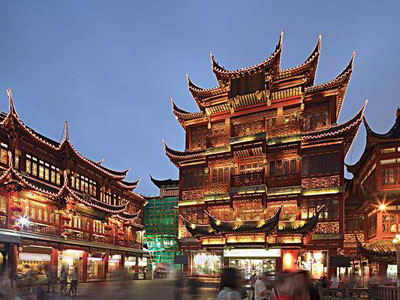
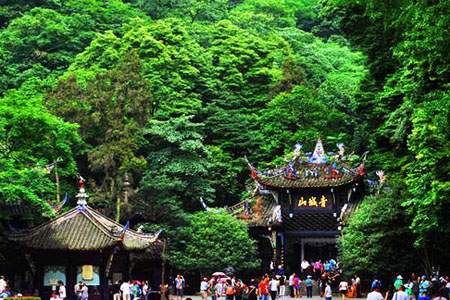
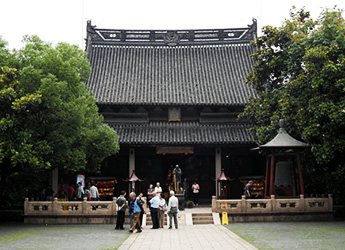
Shanghai Confucius Temple features elegant traditional Jiangnan architectural characteristics. The complex is beautifully designed with:
* Traditional halls
* Pagodas
* Small bridges
* Flowing water
 * Lush gardens
The peaceful landscape creates the atmosphere of a classic Jiangnan garden, combining architecture and nature in a harmonious way.
The temple represents the traditional Chinese philosophy of integrating education, culture, and natural beauty, making it a unique historical attraction in modern Shanghai.
Historical Significance
The Confucius Temple has experienced many important periods in Shanghai’s history.
Built during the Yuan Dynasty, it witnessed Shanghai’s development from a small local settlement into an international metropolis. Over the centuries, it remained an important symbol of education and Confucian traditions.
During the mid-19th century, the temple also became associated with historical events. From 1851 to 1855, it served as the headquarters of the Small Sword Society (Xiaodao Hui) during its uprising against the Qing government.
Like many historical sites, the temple suffered damage during the Cultural Revolution. In 1995, the Shanghai government began restoration work to protect and revive this important cultural landmark.
Shanghai’s Famous Secondhand Book Market
Today, Shanghai Confucius Temple is no longer mainly used as a center for Confucian study. Instead, it has become famous as one of Shanghai’s best places for secondhand books and antique literature.
Every Sunday, thousands of book collectors and enthusiasts gather at the temple to:
* Search for rare books
* Exchange old editions
* Buy historical documents
* Discover valuable collections
Although the market occupies a relatively small area, it is considered one of the most mature and popular secondhand book markets in Shanghai.
For book lovers, history enthusiasts, and travelers interested in traditional Chinese culture, the Shanghai Confucius Temple offers a unique experience where ancient wisdom meets modern urban life.
Why Visit Shanghai Confucius Temple?
Shanghai Confucius Temple provides visitors with a rare opportunity to explore the city’s traditional cultural heritage away from its modern skyscrapers. With its historic architecture, peaceful Jiangnan-style garden, Confucian traditions, and famous book market, it is a fascinating destination for those who want to discover another side of Shanghai.