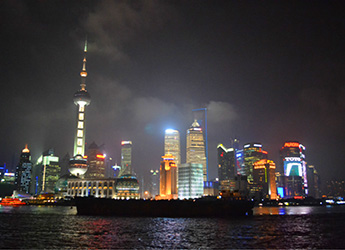
Located along the western bank of the Huangpu River, The Bund (Wàitān, 外滩) is one of Shanghai’s most iconic landmarks and a symbol of the city’s transformation into an international metropolis.
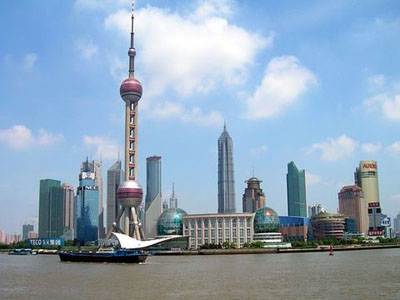
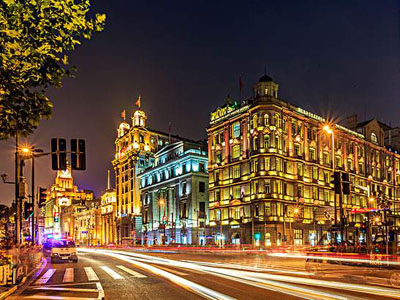
Known for its magnificent collection of historic buildings, the Bund offers a unique view of Shanghai’s past and present. On one side stand elegant European-style buildings from the early 20th century, while across the river rises the modern skyline of Pudong, featuring some of the world’s most recognizable skyscrapers.
Today, the Bund is not only a popular sightseeing destination but also an important cultural and historical area representing Shanghai’s role as a global trading and financial center.
From Riverside Lane to Financial Center of East Asia
Before the 1840s, the Bund was only a narrow muddy path covered with tall reeds along the Huangpu River. After Shanghai became a treaty port in the mid-19th century, the area began to develop rapidly.
In 1846, the British settlement was established in this area. Roads were built, the riverbank was reinforced, and commercial buildings gradually appeared along the waterfront.
During the late 19th and early 20th centuries, a major construction boom transformed the Bund into one of the most important financial districts in Asia. Many foreign consulates, banks, trading companies, newspapers, and business headquarters were established here.
Because of its concentration of important institutions and its impressive architectural style, the Bund became known as the “Wall Street of the Orient.”
Architectural Treasures of the Bund
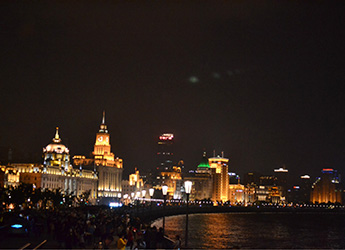
The Bund is famous for its historic buildings, often called a “world architectural exhibition.” These structures combine different Western architectural styles, including:
* Neoclassical architecture
* Gothic Revival style
* Baroque influences
 * Art Deco design
Many buildings were once home to international banks, hotels, and trading companies. Their grand façades, stone columns, domes, and decorative details reflect Shanghai’s international character during the early 20th century.
The historic buildings along the Bund remain one of the best places to appreciate the cultural exchanges between China and the Western world.
Restoration and Modern Development
After the founding of the People’s Republic of China, many buildings along the Bund changed functions. From the late 1970s and early 1980s, with economic reforms and Shanghai’s reopening to international business, the historic buildings gradually returned to commercial and financial uses.
In the 1990s, the Shanghai government began improving the Bund area to enhance tourism and preserve its historical value. A major renovation project was launched in 2008 to improve transportation and create more public space.
After 33 months of reconstruction, the renovated Bund reopened to visitors on March 28, 2010.
The upgrade moved much of the traffic underground, reducing the number of surface lanes from eleven to four. This created more space for pedestrians and expanded several major public areas, including:
* Huangpu Park
* Chen Yi Square
* Bund Financial Square
* Observatory Plaza
The redesigned waterfront provides visitors with a wider viewing area and a more comfortable environment.
Best Experience at the Bund
The Bund is especially famous for its breathtaking views at sunrise and sunset. Visitors can enjoy a walk along the riverside promenade, admire the historic architecture, and take in the contrast between old Shanghai and the modern Pudong skyline.
At night, when both sides of the Huangpu River are illuminated, the Bund becomes one of the most spectacular places in Shanghai.
For first-time visitors to Shanghai, the Bund is an essential destination to experience the city’s history, architecture, and international spirit.