Mt. Kongtong
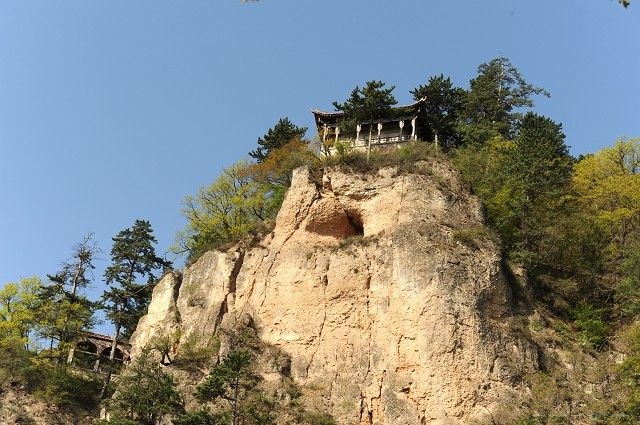 Mount Kongtong (Kongtong Mountain) is one of the most famous Taoist mountains in China, located about 30 kilometers from Pingliang City in Gansu Province. Known as a sacred Taoist site and a place of ancient legends, Mount Kongtong is closely associated with the story of the Yellow Emperor (Huangdi) seeking wisdom from the Taoist sage Guangchengzi.
With its spectacular mountain scenery, ancient temples, and rich Taoist heritage, Mount Kongtong has long been regarded as an important cultural and spiritual destination in northwest China.
History and Legend of Mount Kongtong
According to traditional Chinese legends, the Yellow Emperor visited Mount Kongtong to consult Guangchengzi, a legendary Taoist master who lived in seclusion on the mountain. The conversation between the two figures is recorded in ancient Chinese texts and is considered one of the earliest connections between Mount Kongtong and Taoist philosophy.
Because of this legend, Mount Kongtong became a symbolic birthplace of Taoist wisdom and attracted generations of scholars, pilgrims, and practitioners.
Over centuries, numerous Taoist temples and religious buildings were constructed throughout the mountain. Among the earliest temples was the Temple of Consulting Dao, which was built before the Tang Dynasty. The Yellow Emperor Temple was also established during the Tang Dynasty and later relocated to the Heavenly Immortals Temple during the Qing Dynasty.
Ancient Taoist Temples and Architecture
During the Northern Song Dynasty, more Taoist buildings were added to Mount Kongtong. In the Qiande period, the Perfect Warrior Hall was built on the summit of Mount Mazong. Later, during the Zhenhe period, the Temple of Consulting Dao was rebuilt under the instruction of Emperor Huizong.
During the Ming Dynasty, the ruler of the Pingliang region invested heavily in expanding the temple complex. The Hall of the Perfect Warrior was rebuilt with magnificent metal-covered roofs, creating a structure that was believed to resemble the residence of immortals.
Other important buildings constructed throughout the mountain included:
* Medicine King Hall
* Jade Emperor Pavilion
* Great Harmony Chamber
* Venerable Sovereign’s Chamber
* Numinous Official Grotto
* Queen Mother Temple
* Purple Heaven Temple
* Heavenly Immortals Temple
* Big Dipper Temple
* Temple of Encountering the Perfected Ones
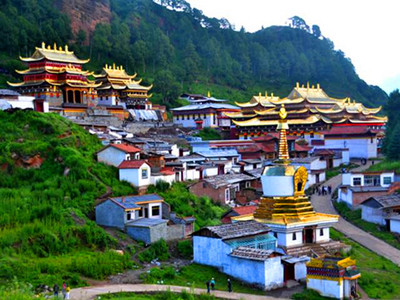
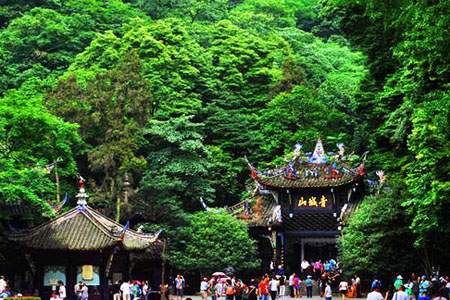
These temples and pavilions were connected by mountain paths, stone steps, and scenic viewpoints, creating a unique religious landscape combining architecture and nature.
Mount Kongtong as a Taoist Center
During the Qing Dynasty, especially under Emperor Kangxi’s reign, the famous Taoist master Miao Qingyang of the Dragon Gate Tradition was invited to Mount Kongtong, further strengthening its status as a major Taoist center.
From that time onward, more temples and halls were constructed across different peaks, including:
* Three Stars Hall
* Dragon Sovereign Hall
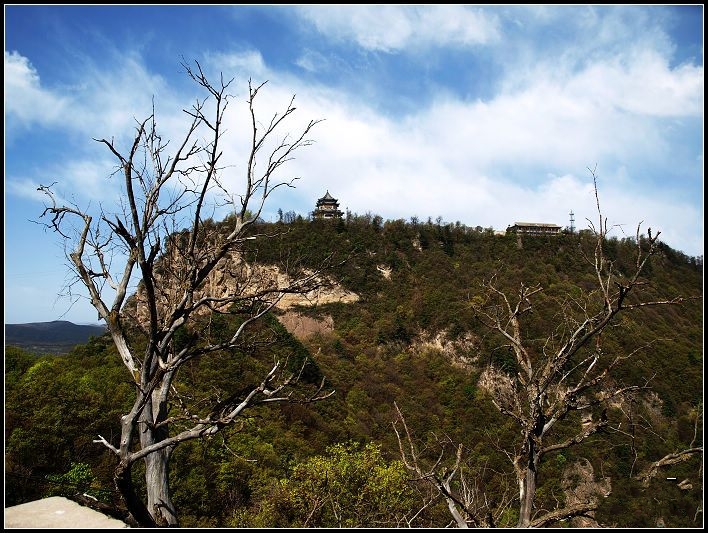 * Eye Light Hall
* Hall of the Three Pristine Ones
* Emperor Guan Hall
* Three Emperors Chamber
* Three Saints Hall
The mountain gradually developed into one of the most influential Taoist sacred sites in northwest China.
Restoration of Mount Kongtong
During the 20th century, Mount Kongtong experienced significant damage. After 1958, many Taoist priests left the mountain, and numerous historic buildings were destroyed or disappeared.
By the 1980s, only several important structures, including the Purple Heaven Temple and the Thunder Patriarch Hall, remained.
Starting in 1982, restoration projects were launched to preserve the mountain’s religious heritage. Many historic buildings were repaired or rebuilt, including:
* Temple of Consulting Dao
* Queen Mother Temple
* Heavenly Immortals Temple
* Supreme Clarity Temple
* Three Emperors Chamber
* Yellow Emperor Chamber
These efforts helped restore Mount Kongtong’s traditional appearance and protect its important Taoist heritage.
Scenic Beauty of Mount Kongtong
Besides its cultural significance, Mount Kongtong is also famous for its beautiful natural scenery. The mountain features:
* Majestic peaks
* Deep valleys
* Ancient forests
* Clear streams
* Dramatic cliffs
* Traditional temples hidden among the mountains
The combination of natural landscapes and Taoist architecture creates a peaceful atmosphere that attracts visitors interested in history, religion, hiking, and photography.
Why Visit Mount Kongtong?
Mount Kongtong offers travelers a unique opportunity to experience the connection between Chinese mythology, Taoist philosophy, ancient architecture, and mountain landscapes.
A visit here allows travelers to:
* Explore one of China’s most famous Taoist mountains
* Learn about ancient Chinese philosophy and legends
* Discover historic temples and religious architecture
* Enjoy breathtaking mountain scenery
* Experience the spiritual atmosphere of northwest China
As a legendary Taoist destination with more than a thousand years of cultural history, Mount Kongtong is one of the most remarkable cultural attractions in Gansu Province.