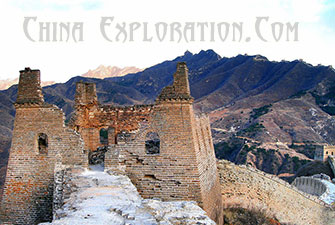
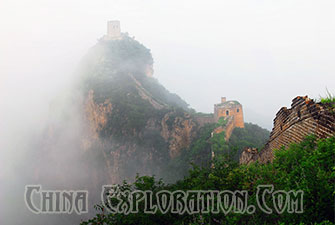
The Simatai Great Wall is located in Miyun District, approximately 120 kilometers (75 miles) northeast of central Beijing. Renowned for its rugged terrain, dramatic architecture, and relatively original appearance, Simatai is one of the most distinctive sections of the Great Wall around Beijing. Unlike heavily restored sections such as Badaling, much of Simatai retains its historic character.
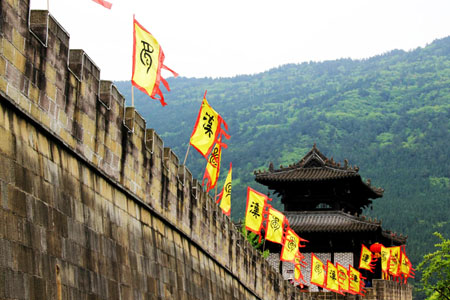
Built during the early Ming Dynasty (1368–1644), the Simatai section stretches for approximately 4.5 kilometers (2.8 miles) and connects with the Jinshanling Great Wall to the west. The wall climbs along the highest ridges of the mountains and crosses precipitous cliffs, creating some of the most spectacular scenery anywhere along the Great Wall.
A Dramatic Mountain Fortress
Simatai is famous for its steep slopes, narrow ridges, closely spaced watchtowers, and remarkable variety of construction. Among its most dramatic features are the Heavenly Stairway and Heavenly Bridge.
The Heavenly Stairway climbs at an angle of approximately 85 degrees and is extremely narrow, with little room for movement. The Heavenly Bridge is even more dramatic: its upper surface is only about 30 centimeters (12 inches) wide in places. Because of the extreme terrain and safety concerns, these particularly dangerous sections are not open to ordinary visitors.
The watchtowers of Simatai are unusually close together. Along the approximately 4.5-kilometer section are 35 watchtowers, with the shortest distance between two towers only about 44 meters (48 yards). This dense network allowed soldiers to monitor the surrounding mountains and communicate rapidly along the defensive line.
Remarkable Watchtowers
Each watchtower has its own character. The well-preserved General Tower, for example, features decorative reliefs including the qilin, a legendary auspicious creature in Chinese culture.
Several towers have distinctive silhouettes. The fourteenth tower on the eastern section is traditionally said to resemble a cat sitting on a mountaintop, while the beautifully designed Fairy Tower appears almost hidden among the surrounding trees.
The sixteenth tower, standing at an elevation of approximately 986 meters (3,235 feet), is known as the Watch Beijing Tower. It is the highest tower in the Simatai section and offers spectacular views across the surrounding mountains.
Unique Construction Techniques
The Simatai Great Wall displays a remarkable variety of defensive construction. Different sections incorporate features such as single walls, double walls, obstacle walls, and parapets, each adapted to the terrain and military requirements.
On extremely steep cliffs, some sections were constructed as single walls and are so narrow that they are unsuitable for walking. Obstacle walls helped protect soldiers from enemy fire, while parapets provided additional protection and support along the wall's upper surface.
The watchtowers also vary considerably in shape and size. Their roofs may be flat, polygonal, or domed, reflecting the architectural diversity of the Ming defensive system.
Mountain Scenery and the Wishing Pool
Simatai is not only a historical monument but also a spectacular natural landscape. At the foot of the Great Wall lies a scenic lake fed by both a hot spring and a cold spring, creating water with contrasting temperatures in different areas. The surrounding scenery provides a peaceful contrast to the rugged peaks above, and boating is available in the scenic area.
The steep terrain makes hiking at Simatai considerably more challenging than at many other sections of the Great Wall. However, the dramatic mountain scenery, original architecture, unusual watchtowers, and sense of wilderness make the experience particularly rewarding.
For visitors who prefer a less strenuous experience, cable cars are available to reduce the amount of climbing required.