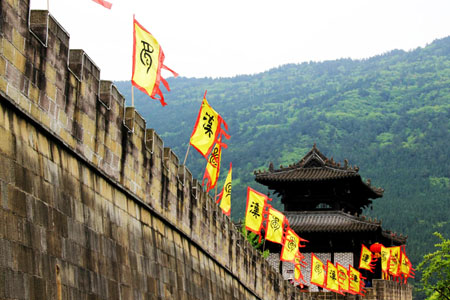
The Mutianyu Great Wall is located in Huairou District, approximately 73 kilometers (45 miles) northeast of central Beijing. Surrounded by mountains and dense forests, Mutianyu is one of the most scenic and best-preserved sections of the Great Wall. It is also an excellent alternative to the more crowded Badaling section, offering visitors a combination of spectacular scenery, impressive architecture, and a more peaceful hiking experience.
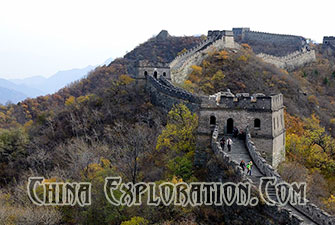
The Mutianyu section stretches for approximately 2.5 kilometers (1.6 miles) and historically connected the important defensive areas of Juyongguan Pass to the west and Gubeikou to the east. The surrounding landscape changes dramatically with the seasons: peach and other flowers bloom in spring, the mountains become lush and green in summer, maple leaves turn brilliant red in autumn, and snow creates a beautiful winter landscape.
A Historic Ming Dynasty Fortress
The present Mutianyu Great Wall was rebuilt during the early Ming Dynasty (1368–1644) on the foundations of fortifications originally constructed during the Northern Qi Dynasty (550–577). This gives the area a history stretching back more than 1,400 years.
The Mutianyu Pass was established in 1404, and major restoration and strengthening took place again in the 16th century. During the Ming Dynasty, this strategically important section witnessed numerous military conflicts and played a significant role in protecting Beijing from attacks from the north.
The wall generally stands 7–8 meters (23–26 feet) high and is approximately 4–5 meters (13–16 feet) wide. Much of the structure was built with large granite blocks, making it exceptionally strong and durable.
Distinctive Defensive Architecture
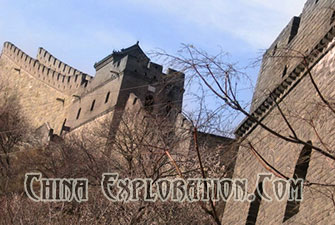
Mutianyu has several architectural features that distinguish it from other sections of the Great Wall. Parapets and battlements were constructed along both sides of the wall, allowing soldiers to defend against attacks from either direction.
The battlements contain strategically positioned openings through which soldiers could observe and fire upon approaching enemies. Additional defensive walls and fortified structures were built to strengthen vulnerable sections, while a dense network of watchtowers provided observation and communication capabilities.
Approximately 22 watchtowers are distributed along the preserved section. One of the most unusual features can be found at Zhengguantai, where three watchtowers stand together on the same elevated platform—a rare arrangement in Great Wall architecture.
A Dramatic Mountain Hike
Mutianyu is famous for following the natural contours of the mountains. The wall rises and falls sharply across steep ridges, creating a challenging but rewarding hiking route. Some sections are extremely steep, including a dramatic stretch that climbs almost vertically over exposed rock.
For visitors who prefer not to hike the entire route, cable cars provide convenient access to the upper section of the Great Wall. The area also offers additional recreational options, making Mutianyu suitable for both active hikers and travelers who simply want to experience one of the most beautiful sections of the Great Wall near Beijing.
With its combination of historic fortifications, dramatic mountain scenery, dense forests, and relatively fewer visitors, Mutianyu Great Wall is one of the best choices for a Great Wall excursion from Beijing.