



Taer Monastery
Yellow River Source
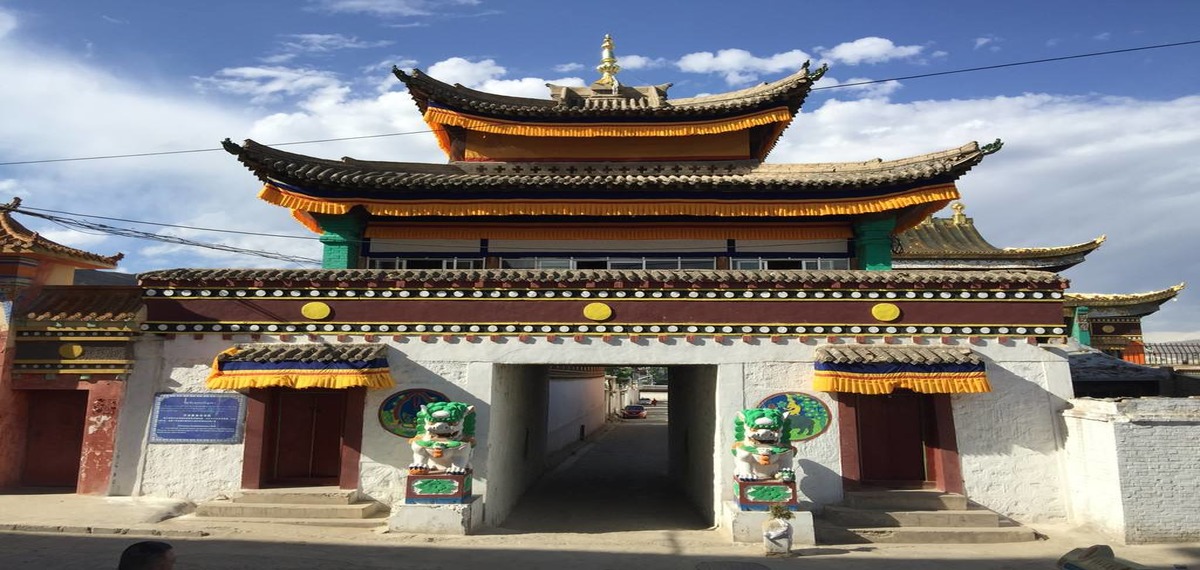
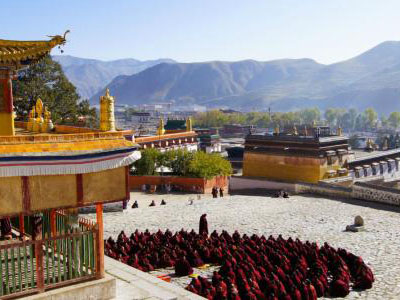
Rongwo Monastery
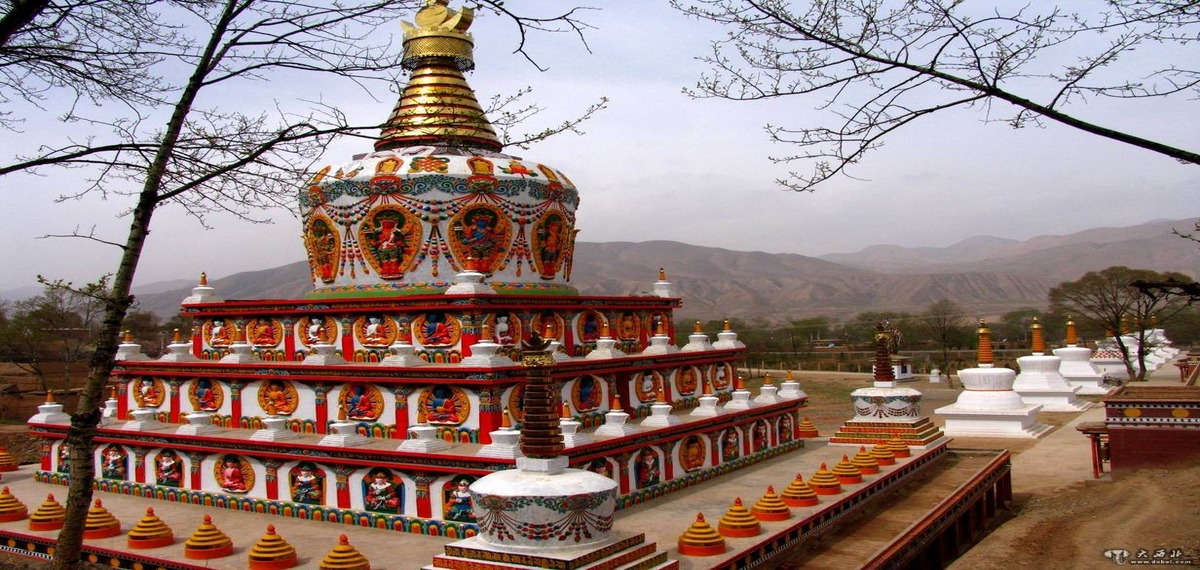
Wutun Monastery
Qinghai tour of Xining Tongren and Yushu
Xining is located on the eastern edge of Qinghai-Tibet Plateau and the upper reaches of Huangshui River. It is the political, economic, scientific and technological, cultural and traffic center of Qinghai Province with an average altitude of over 2,200 meters (about 7,217 feet). The activities of human beings in this region can be traced to 2,100 years ago.
During the Western and Eastern Han Dynasties, owing to the development of agriculture, Xining was paid more attention due to its economic and martial significance. As well as being the important hinge between the central plains and the western part of China in ancient time, Xining was the most common passing channel of the famous Silk Road. Until now, it is still the only road by which to enter the hinterland of the Qinghai-Tibet Plateau.
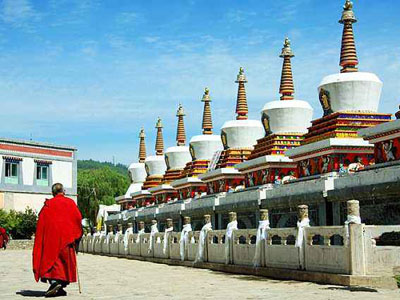
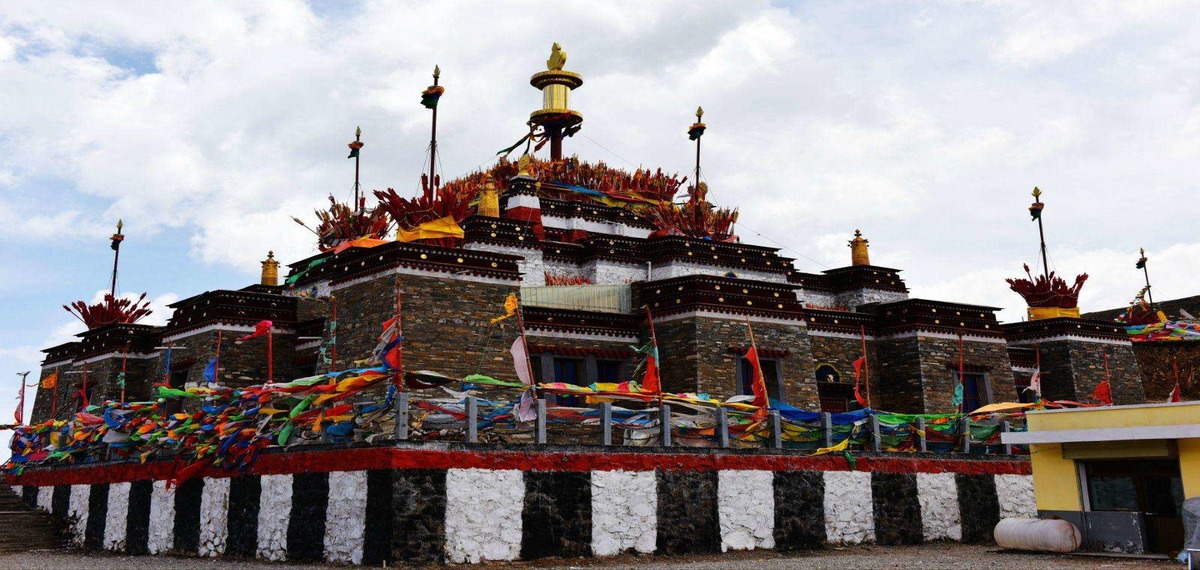
Ta'er Lamasery derives its name from the Golden-roofed Lamasery's silver tower built in memory of Zongkaba,the founder of Huangjiao (the YellowSection). The silver tower is called 'Gunbenxianbalin', inTibetan, meaning "a Maitreya Lamasery where 100000 lions roar at a Buddha Portrait."Ta'er Lamasery is located in the Lianhuashan (Lotus) Mountain Valley in the southwest ofLusha'er Township in Huangzhong County.It is the most important sight-seeing sport of Qinghai and one of the cultural relics under thestate protection
During the Western and Eastern Han Dynasties, owing to the development of agriculture, Xining was paid more attention due to its economic and martial significance. As well as being the important hinge between the central plains and the western part of China in ancient time, Xining was the most common passing channel of the famous Silk Road. Until now, it is still the only road by which to enter the hinterland of the Qinghai-Tibet Plateau.
Ta'er Lamasery derives its name from the Golden-roofed Lamasery's silver tower built in memory of Zongkaba,the founder of Huangjiao (the YellowSection). The silver tower is called 'Gunbenxianbalin', inTibetan, meaning "a Maitreya Lamasery where 100000 lions roar at a Buddha Portrait."Ta'er Lamasery is located in the Lianhuashan (Lotus) Mountain Valley in the southwest ofLusha'er Township in Huangzhong County.It is the most important sight-seeing sport of Qinghai and one of the cultural relics under thestate protection
from
$1813.00
Duration: 8 Days
Tour Code: CE-XN-8D01
Departure Date: Every Day
Tour Attractions:Taer Monastery, Wutun Monastery, Zhaling Lake, Eling Lake, the source of the Yellow River, Princess Wencheng Temple, Nimaqing snow mountain, the mani stone pile, Longwu Temple
Feature:Historic Sites
Tour Type: /English speaking guide + driver + meals + hotel
Tour Code: CE-XN-8D01
Departure Date: Every Day
Tour Attractions:Taer Monastery, Wutun Monastery, Zhaling Lake, Eling Lake, the source of the Yellow River, Princess Wencheng Temple, Nimaqing snow mountain, the mani stone pile, Longwu Temple
Feature:Historic Sites
Tour Type: /English speaking guide + driver + meals + hotel
 D1 Xining Airport – Ta’er Monastery – Xining
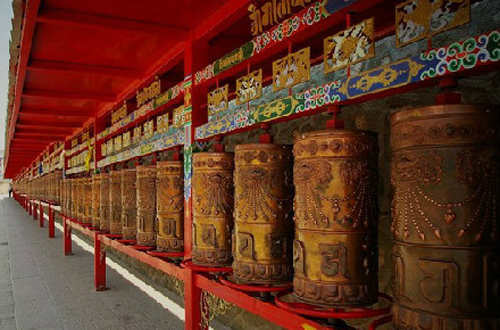
Upon arrival at Xining Airport, your local guide and driver will meet you and transfer you to Ta’er Monastery, one of the most important Tibetan Buddhist monasteries in Qinghai.
Located about 25 kilometers southwest of Xining, Ta’er Monastery is an important center of Tibetan Buddhist culture in Northwest China. The monastery is renowned for its distinctive combination of Tibetan and traditional Chinese architectural styles, as well as its religious artworks, murals and butter sculptures.
Take your time exploring the monastery complex and learn about its long history and significance in Tibetan Buddhism.
After the visit, return to Xining and check in to your hotel. You can relax after your journey or take a leisurely walk around the city.
Overnight: Xining
D2 Xining – Maduo County
After breakfast, begin your journey from Xining to Maduo County, located on the high plateau near the source region of the Yellow River.
The journey covers approximately 500 kilometers and takes most of the day by private vehicle. Although it is a long drive, the changing scenery makes the journey an important part of the experience. As you travel westward, the landscape gradually changes from urban areas and agricultural land to vast highland grasslands, mountains and open plateaus.
You will arrive in Maduo in the late afternoon and check in to your hotel.
Overnight: Maduo
D3 Maduo – Zhaling Lake – Eling Lake – Qumalai
After breakfast, continue your journey toward the source region of the Yellow River and visit Zhaling Lake.
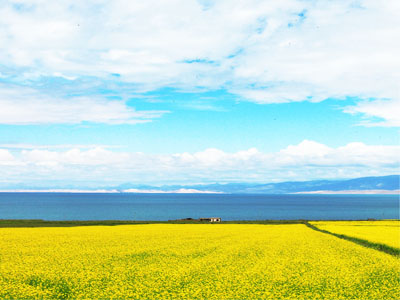
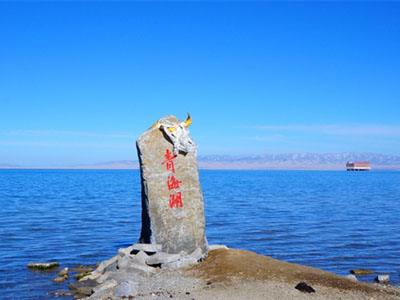
Zhaling Lake is one of the two major lakes in the upper reaches of the Yellow River. Together with Eling Lake, it forms a spectacular pair of high-altitude freshwater lakes known as the “Sister Lakes” of the Yellow River.
Enjoy the peaceful scenery around the lake, with vast grasslands, wetlands, mountains and open skies stretching into the distance. The area is also an important habitat for birds and other highland wildlife.
Continue to Eling Lake, located close to Zhaling Lake. The two lakes are among the most impressive natural landscapes in the Yellow River source region, with their deep-blue waters contrasting beautifully with the surrounding plateau.
After sightseeing, continue driving to Qumalai County, where you will spend the night.
Overnight: Qumalai
D4 Qumalai – Source of the Yellow River – Qumalai
Today, travel deeper into the high plateau to explore the source region of the Yellow River.
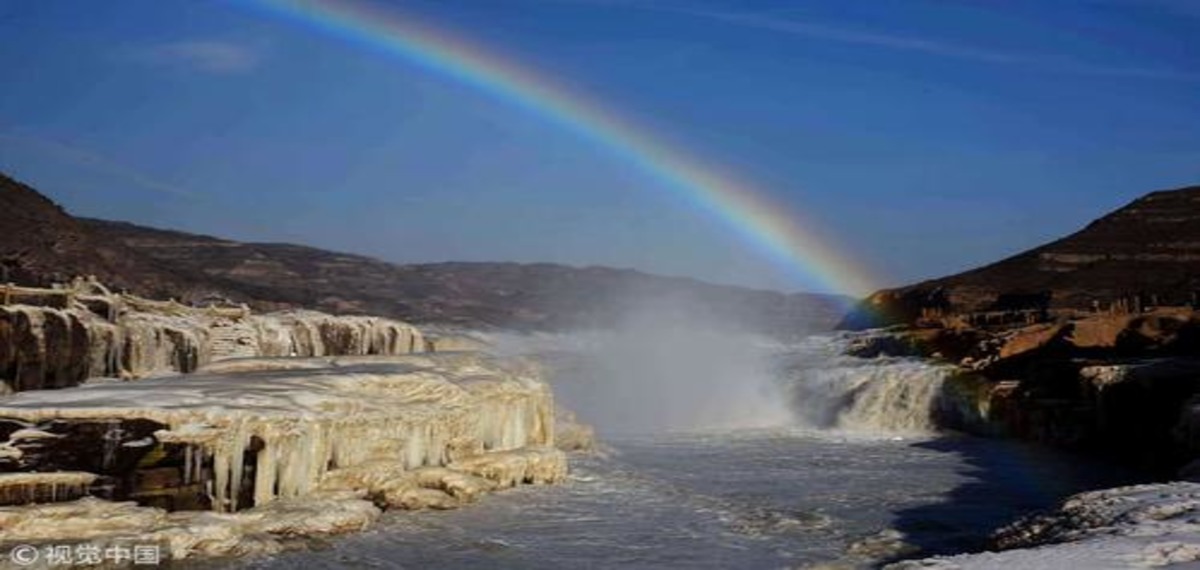
The landscape here is very different from the powerful river that eventually flows across northern China. At its source, the Yellow River begins as small streams and gentle flows emerging from the highland wetlands and mountains.
This remote area offers an opportunity to experience the vast and pristine environment of the Qinghai-Tibet Plateau. Your guide will introduce you to the geography and cultural significance of the Yellow River, one of China’s most important rivers.
The Yellow River and Yangtze River both originate in Qinghai Province, making the region particularly significant in the geographical history of China.
After the excursion, return to Qumalai County for the night.
Overnight: Qumalai
D5 Qumalai – Princess Wencheng Temple – Yushu
After breakfast, leave Qumalai and continue toward Yushu, a culturally important region of southern Qinghai known for its Tibetan heritage and spectacular plateau landscapes.
On the way, visit Princess Wencheng Temple, located in a dramatic mountain valley near Yushu. The temple is traditionally associated with Princess Wencheng of the Tang Dynasty and her journey to Tibet.
The temple complex is surrounded by rugged mountains and a peaceful valley. Inside the temple is a highly revered statue of Princess Wencheng, making this an important cultural and religious site in the Yushu region.
After the visit, continue to Yushu City and check in to your hotel.
Overnight: Yushu
D6 Yushu – A’nyê Maqên Snow Mountain – Maqên
After breakfast, drive toward Maqên County and the magnificent A’nyê Maqên (Animaqing) Mountain, one of the sacred mountains of Tibetan Buddhism and an important mountain range in the source region of the Yellow River.
A’nyê Maqên is characterized by towering snow-covered peaks, glaciers and rugged highland landscapes. In Tibetan culture, the mountain is regarded as a sacred place and has long been associated with local religious traditions.
The weather in this high-altitude region can change quickly, so the sightseeing arrangements may need to be adjusted according to road and weather conditions.
Enjoy the spectacular mountain scenery before continuing to Maqên County for your overnight stay.
Overnight: Maqên
D7 Maqên – Tongren
After breakfast, begin the drive from Maqên to Tongren, a culturally rich town in southeastern Qinghai.
The journey covers approximately 300 kilometers and takes most of the day. Along the way, enjoy the changing scenery of the Qinghai-Tibet Plateau, including broad grasslands, mountains and traditional pastoral landscapes.
Arrive in Tongren in the late afternoon and check in to your hotel.
Overnight: Tongren
 D8 Tongren – Wutun Temple – Xining / Departure
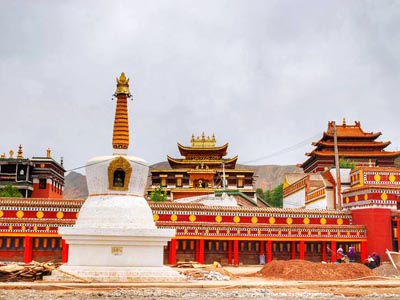
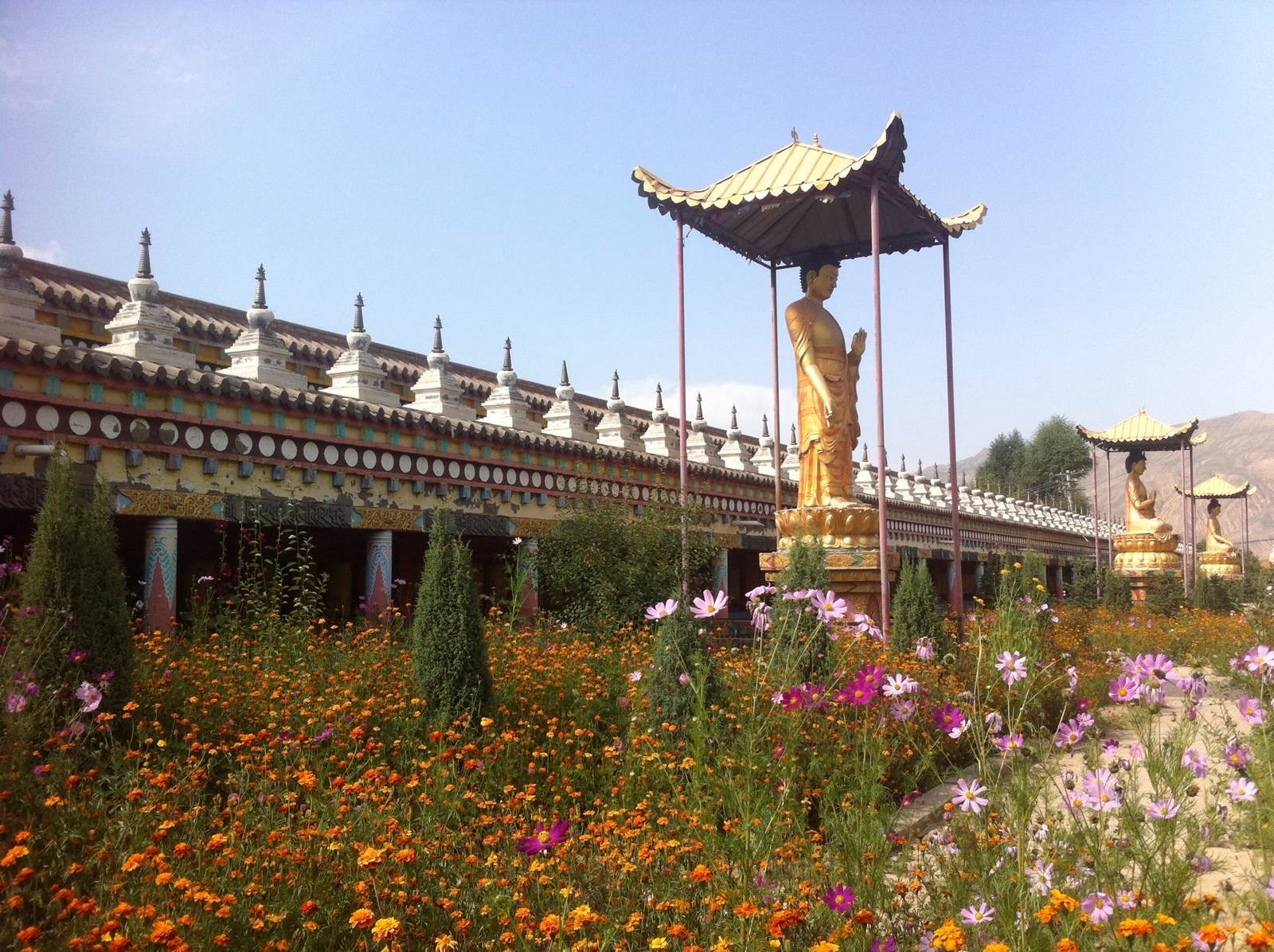
After breakfast, visit Wutun Temple, one of the highlights of Tongren’s rich Tibetan Buddhist artistic heritage.
Wutun Temple is particularly famous for its traditional Tibetan Buddhist artworks, including Thangka paintings, murals and sculptures. The area around Tongren is renowned for its distinctive artistic tradition, often referred to as Rebkong (Regong) art, which has been passed down through generations.
Explore the temple and appreciate the intricate religious artworks while learning about the relationship between Tibetan Buddhism and traditional art in the region.
After the visit, drive back to Xining. Depending on your departure schedule, you can be transferred directly to Xining Airport or Xining Railway Station for your onward journey.
Your 8-day Qinghai adventure concludes with your departure from Xining.

| Group size | 1 pax | 2-3 pax | 4-5 pax | 6-9pax |
| price | 5394 | 2788 | 2495 | 1813 |
Our prices included:
1. Seven lunches and seven dinners.
2. Seven nights accommodation.
3. Xining pick-up and drop-off.
4. Air-conditioned tour vehicle.
5. English speaking tour guide.
6. Entrance tickets.
Our prices not included:
Tips to the guide and driver.
1. Seven lunches and seven dinners.
2. Seven nights accommodation.
3. Xining pick-up and drop-off.
4. Air-conditioned tour vehicle.
5. English speaking tour guide.
6. Entrance tickets.
Our prices not included:
Tips to the guide and driver.
Hotel
If you require, we can book hotels in Chengdu, and make private airport and city tour necessary.
Are you interested in this itinerary? Send us a message and let us help you plan and book your China vacation based on this sample. Response within 24 hours. Contact our Travel Consultant.
Are you interested in this itinerary? Send us a message and let us help you plan and book your China vacation based on this sample. Response within 24 hours. Contact our Travel Consultant.