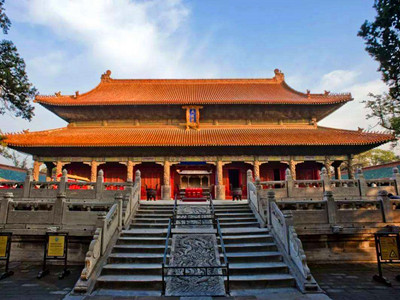
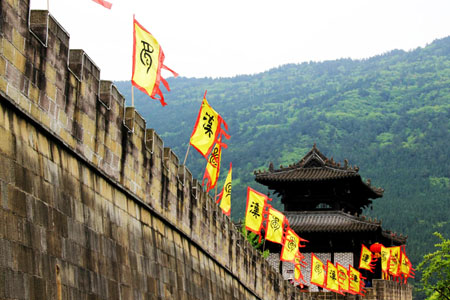
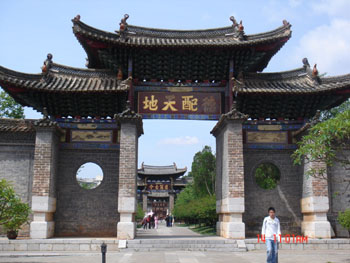
 Located in Qufu, Shandong Province, the Temple of Confucius is one of the most important cultural attractions in China and a sacred place for honoring Confucius (551–479 BC), the great philosopher, educator, and founder of Confucian thought.
Together with the Confucius Family Mansion and Confucius Forest, the site forms the “Three Confucian Sites of Qufu”, which preserves more than 2,000 years of history and culture. These historic sites were inscribed as a UNESCO World Heritage Site for their outstanding architectural, historical, and cultural value.
Temple of Confucius: A Center of Confucian Worship
Covering an area of approximately 140,000 square meters, the Temple of Confucius is one of the largest ancient architectural complexes in China. It contains more than 100 halls, towers, pavilions, and other buildings arranged around nine courtyards.
The temple was originally built shortly after Confucius’ death and was continuously expanded by later dynasties. Today, it represents more than 2,400 years of Confucian heritage.
Major attractions inside the temple include:
* Apricot Altar (Xingtan) – the legendary place where Confucius taught his students
* Kuiwen Pavilion – a famous historical library building
* Thirteen Imperial Steles Pavilions – home to valuable inscriptions
* Ancient cypress trees – including trees traditionally believed to have been planted by Confucius
More than 1,000 stone tablets preserved in the temple provide valuable information about Chinese calligraphy, history, and imperial culture.
Confucius Family Mansion
Located east of the Temple of Confucius, the Confucius Family Mansion was the former residence of Confucius’ descendants.
During the Han Dynasty, Emperor Gaozu granted official titles to Confucius’ descendants, allowing the Kong family to maintain a special social status for generations.
The mansion covers a large area and contains around 480 rooms, including living quarters, government offices, reception halls, gardens, and collections of cultural relics.
The Kong family became the longest-lasting noble family in Chinese history, with hereditary titles continuing for more than 2,100 years.
Confucius Forest: Ancient Cemetery of the Kong Family
Located north of Qufu, the Confucius Forest (Kong Lin) is the burial place of Confucius and many generations of his descendants.
With a history of more than 2,400 years, it is one of the oldest and largest family cemeteries in the world.
The forest covers a vast area and contains:
* The tomb of Confucius
* Tombs of thousands of Kong family members
* Ancient stone sculptures and inscriptions
* More than 10,000 ancient trees
One of Confucius’ most famous disciples, Zi Gong, planted trees around his teacher’s tomb, beginning the tradition of preserving the forest.
 Cultural Heritage of Qufu’s Confucian Sites
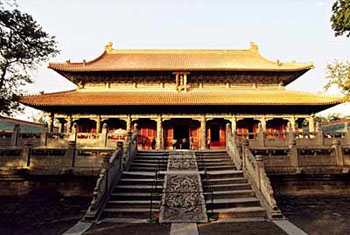
The Temple of Confucius, Family Mansion, and Confucius Forest preserve an extraordinary collection of cultural treasures.
Important highlights include:
* More than 300 ancient buildings from the Jin, Yuan, Ming, and Qing dynasties
* Over 5,000 stone inscriptions dating back to the Western Han Dynasty
* Thousands of ancient trees valuable for historical and ecological research
* More than 100,000 cultural relics, including imperial costumes, portraits, ceremonial objects, and historical documents
The site provides important evidence for studying ancient Chinese politics, philosophy, education, architecture, art, and social customs.
Confucius and Confucianism
Confucius (551–479 BC) was one of the most influential thinkers in Chinese history. Born in the ancient State of Lu (modern Qufu), he devoted his life to education, moral cultivation, and social harmony.
Confucius established one of the earliest educational systems in China and promoted the idea that education should be available to people from different social backgrounds.
His teachings emphasized:
* Ren (benevolence and humanity)
* Li (ritual and proper conduct)
* Learning and self-improvement
* Respect for family and social responsibility
His ideas were recorded by his disciples in The Analects of Confucius (Lunyu) and later became the foundation of Chinese philosophy and traditional culture.
A famous saying from Confucius reflects his educational philosophy:
“At 15, I set my heart upon learning; at 30, I stood firm; at 40, I was free from doubts; at 50, I understood Heaven’s will.”
For more than two thousand years, Confucianism influenced Chinese education, government, family values, and social traditions.
Kong Family Cuisine: Traditional Confucian Banquet Culture
The Kong Family Cuisine developed in the Confucius Family Mansion and represents one of China’s most distinctive traditional culinary styles.
According to Confucian tradition, food preparation should be carefully managed, with attention to ingredients, appearance, taste, and presentation.
The cuisine is famous for elegant dishes served during important occasions, including:
* Birthday banquets
* Wedding banquets
* Celebration feasts
* Imperial-style receptions
Many dishes have auspicious names symbolizing happiness, longevity, and prosperity.
Examples include:
* Longevity Fish
* Lovebird Chicken
* Peach Blossom Shrimp
* Happiness Balls
The Kong Family Cuisine reflects not only Chinese culinary skills but also the Confucian values of ceremony, respect, and harmony.
Travel Tips
Best time to visit:
Spring and autumn offer comfortable weather and beautiful scenery.
Recommended visiting time:
Allow at least half a day to explore the Temple of Confucius, Family Mansion, and Confucius Forest.
Nearby attractions:
* Confucius Forest
* Confucius Family Mansion
* Qufu Ancient City
Related Tours