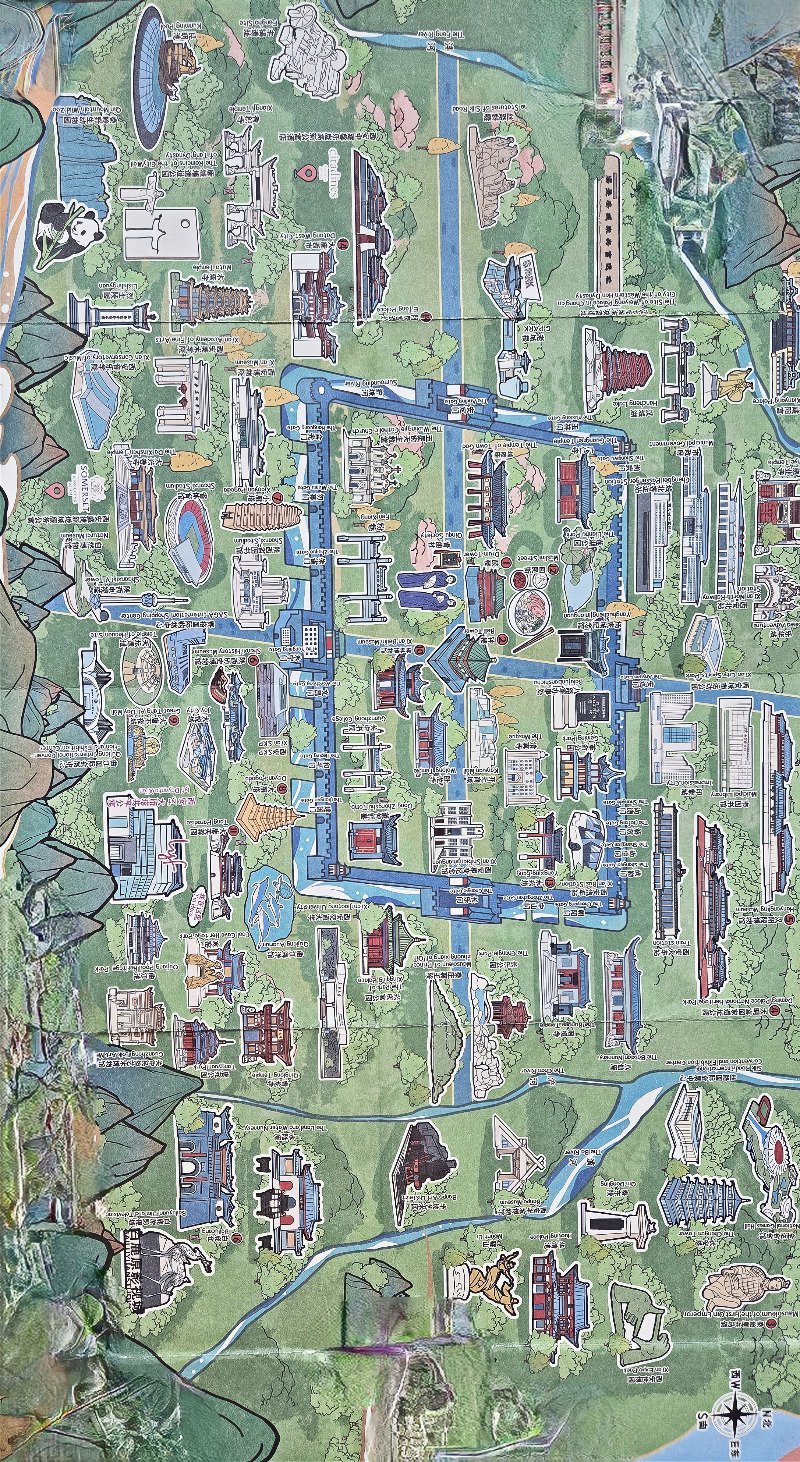
Xi’an (西安), the capital of Shaanxi Province, is one of the oldest cities in China and one of the country’s most important historical and cultural destinations. Located in the center of the Guanzhong Plain in northwest China, Xi’an has been the political, economic, and cultural heart of China for more than 3,000 years.
Known as Chang’an (长安) in ancient times, Xi’an served as the capital of several powerful dynasties, including the Zhou, Qin, Han, Sui, and Tang dynasties. As the eastern starting point of the ancient Silk Road and the home of the world-famous Terracotta Army of Emperor Qin Shi Huang, Xi’an represents the remarkable history, culture, and civilization of China.
Today, Xi’an combines ancient heritage with modern development. It has become an important cultural, industrial, educational, and technological center in northwest China, while remaining one of the best destinations for travelers seeking to discover China’s imperial history.
Xi’an: A City of Ancient Capitals
The name Xi’an means “Western Peace.” Throughout history, the city has had several different names, reflecting its changing role as the capital of ancient China.
During the Zhou Dynasty, the area was known as Fenghao (丰镐), where the Western Zhou established its capital. After the founding of the Han Dynasty in 202 BCE, Emperor Liu Bang established the capital of Chang’an, meaning “Eternal Peace.”
During the Sui and Tang dynasties, Chang’an reached its golden age and became one of the largest and most prosperous cities in the world. As the capital of the powerful Tang Dynasty, it was an international metropolis where merchants, scholars, and travelers from across Asia and beyond gathered along the Silk Road.
Many historic landmarks from these periods remain today, including the ancient city wall, the Big Wild Goose Pagoda, and important archaeological sites.
A City with Thousands of Years of History
Xi’an has witnessed the rise and fall of numerous Chinese dynasties and preserves some of the country’s most valuable historical treasures.
Archaeological discoveries reveal that human activity in the Xi’an area dates back hundreds of thousands of years. The discovery of Lantian Man, dating back approximately 500,000 years, provides important evidence of early human history in China.
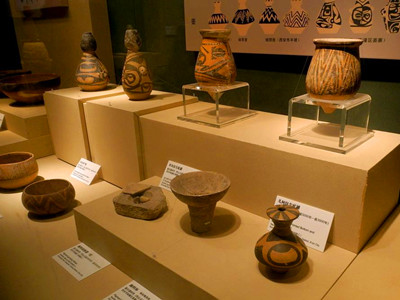
The Banpo Neolithic Village, discovered in 1953, is another significant archaeological site. Dating back more than 6,000 years, it reveals the lifestyle and culture of one of the earliest agricultural communities in the Yellow River region.
During the Qin Dynasty (221–206 BCE), Xi’an became closely connected with China’s first emperor, Qin Shi Huang, who unified China and built his magnificent mausoleum complex, including the world-famous Terracotta Army.
 The Golden Age of Chang’an During the Tang Dynasty
The Tang Dynasty (618–907 CE) marked the peak of Chang’an’s development. At that time, the city was a major political and cultural center and one of the largest cities in the world.
During this period, Buddhism flourished in Xi’an. The famous Chinese Buddhist monk Xuanzang (Tang Sanzang) established a translation center after returning from India with Buddhist scriptures.
The Giant Wild Goose Pagoda (Big Wild Goose Pagoda) was built in 652 to preserve Buddhist scriptures brought from India by Xuanzang. The Small Wild Goose Pagoda, built in the Tang Dynasty, also remains an important symbol of Buddhist culture in Xi’an.
These historic sites reflect the city’s important role in religious exchange and cultural communication between China and the outside world.
Famous Attractions in Xi’an
Xi’an offers an extraordinary collection of historical and cultural attractions.
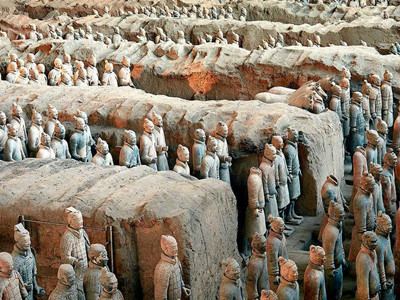
Terracotta Army
The Terracotta Army, discovered near Emperor Qin Shi Huang’s Mausoleum, is one of the greatest archaeological discoveries of the 20th century. Thousands of life-sized clay soldiers, horses, and chariots were created to protect China’s first emperor in the afterlife.
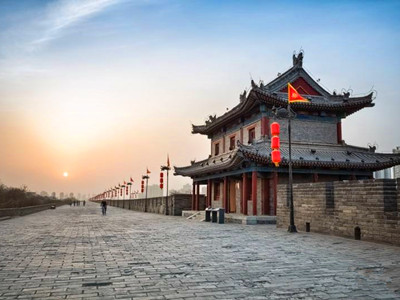
Ancient City Wall
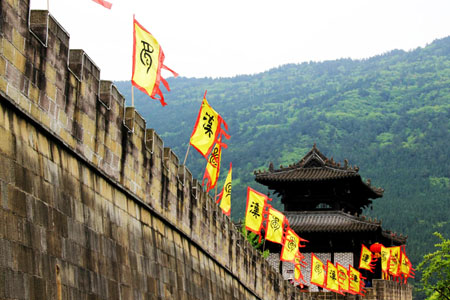
The Xi’an Ancient City Wall, originally built during the Ming Dynasty, is one of the best-preserved ancient city walls in China. Visitors can walk or cycle along the top of the wall while enjoying views of both historic and modern Xi’an.
Giant Wild Goose Pagoda
A UNESCO World Heritage Site, the Giant Wild Goose Pagoda represents the development of Buddhism in China and the cultural exchanges along the Silk Road.
Muslim Quarter
The famous Muslim Quarter offers visitors an opportunity to experience Xi’an’s multicultural heritage through traditional architecture, local food, and centuries-old Islamic culture.
Modern Xi’an: A Rising Cultural and Technological City
Since the 1990s, Xi’an has experienced rapid development as part of China’s efforts to promote economic growth in inland regions. Today, it is a major center for scientific research, aerospace technology, education, and advanced industries.
The city has also become one of China’s emerging metropolitan areas, attracting visitors with its combination of historical charm and modern innovation.
Why Visit Xi’an?
Xi’an is more than an ancient capital; it is a living museum of Chinese civilization. From imperial palaces and ancient city walls to Buddhist temples and Silk Road heritage, the city offers travelers a unique journey through thousands of years of history.
For visitors exploring China, Xi’an is an essential destination to experience ancient Chinese civilization, discover world-famous archaeological wonders, and understand the cultural exchanges that shaped Asia.