Located in Xi’an, the capital of Shaanxi Province, the Shaanxi History Museum is one of China’s most important national museums and a must-visit cultural attraction for travelers interested in Chinese history. Completed and opened to the public in June 1991, the museum covers an area of approximately 70,000 square meters and features a magnificent architectural style inspired by the prosperous Tang Dynasty (618–907 AD).
The museum preserves and displays the finest historical treasures unearthed throughout Shaanxi Province, offering visitors a comprehensive overview of the development of Chinese civilization from prehistoric times to the late imperial period.
A Window into Chinese Civilization
Shaanxi History Museum houses more than 113,000 historical and cultural relics, many of which represent the highest achievements of ancient Chinese art, technology, and craftsmanship.
The main exhibition area covers approximately 1,100 square meters and is divided into seven chronological sections:
* Prehistoric Age
* Zhou Dynasty
* Qin Dynasty
* Han Dynasty
* Wei, Jin, Southern and Northern Dynasties
* Sui and Tang Dynasties
* Song, Yuan, Ming, and Qing Dynasties
Through these exhibitions, visitors can explore the history of Shaanxi from around 1.15 million years ago to 1840 AD.
Shaanxi holds a unique position in Chinese history. Fifteen dynasties established their capitals here, and these capitals lasted for approximately 1,500 years in total. More ancient Chinese capitals were located in Shaanxi than anywhere else in China, making the region an important birthplace and center of Chinese civilization. For this reason, the history of Shaanxi is often regarded as a miniature reflection of the history of China itself.
 Highlights of the Exhibitions
Prehistoric Relics: The Origins of Human Civilization
Shaanxi is one of the most important regions for studying the origins and early development of humans in Asia. The prehistoric exhibition displays a wide range of ancient relics, including:
* Ape-man skull fossils
* Stone tools
* Stone balls
* Pottery bottles
* Bone arrows and harpoons
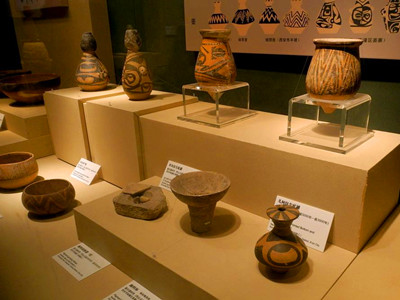
* Painted pottery from the Yangshao Culture dating back approximately 5,000–7,000 years
These artifacts provide valuable insight into the lives, creativity, and survival skills of early human communities thousands of years ago.
Zhou Dynasty: The Peak of Bronze Culture
During the Western Zhou Dynasty, Chinese bronze civilization reached its peak. More than 3,000 bronze vessels have been discovered in Shaanxi, with around 2,000 preserved in the Shaanxi History Museum.
The bronze collection includes:
* Ritual vessels
* Musical instruments
* Daily-use utensils
* Agricultural tools
* Weapons
These magnificent bronze artifacts demonstrate the advanced craftsmanship, social organization, and ceremonial culture of ancient China.
Qin Dynasty: The First Imperial Dynasty
The Qin Dynasty (221–206 BC) was the first unified feudal dynasty in Chinese history. The museum displays many important relics related to the Qin Empire, including:
* Weapons
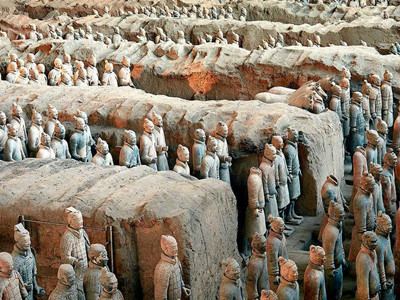
* Terracotta warriors and horses
* Decorative roof tiles
* Bronze chariots and horses discovered near the Mausoleum of Qin Shi Huang
These treasures reveal the extraordinary military power, technological achievements, economic development, and cultural progress of the Qin Dynasty.
Han Dynasty: The Formation of Han Culture
The Han Dynasty (206 BC–220 AD) was one of the most influential periods in Chinese history. During this era, the identity of the Han people and many aspects of traditional Chinese culture took shape.
The museum’s Han Dynasty exhibition displays numerous burial objects, including:
* Iron farming tools
* Pottery containers filled with grain models
* Ceramic oxen, chickens, ducks, and livestock figures
These artifacts demonstrate the advanced development of agriculture and animal husbandry during the Han period.
Wei, Jin, Southern and Northern Dynasties: Cultural Integration
The Wei, Jin, Southern and Northern Dynasties period was marked by social changes, cultural exchanges, and the integration of different ethnic groups.
The exhibition features:
* Diverse pottery figures representing different ethnic groups
* Buddhist statues made of gold, silver, bronze, and jade
* Buddhist artworks reflecting the rapid spread of Buddhism in China
These collections highlight the cultural diversity and artistic development of this important historical period.
Sui and Tang Dynasties: The Golden Age of China
The Sui and Tang dynasties represented one of the greatest eras in Chinese history, and Shaanxi became the political, economic, and cultural center of the empire.
The Tang Dynasty exhibition is one of the museum’s most popular sections, featuring:
* Tang tri-colored glazed pottery (Tang Sancai)
* Horse-riding hunting figurines
* Musician and dancer figurines
* Ancient Go game pieces
These exquisite artifacts vividly portray the prosperous lifestyle, cultural openness, and artistic achievements of Tang society.
Visiting Shaanxi History Museum
With its outstanding collection, impressive Tang-style architecture, and comprehensive historical exhibitions, the Shaanxi History Museum offers visitors an unparalleled opportunity to understand the origins and development of Chinese civilization.
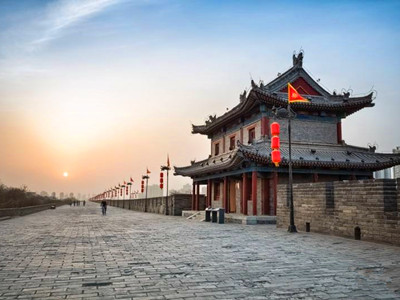
For travelers visiting Xi’an, the museum is an essential stop alongside famous historical attractions such as the Terracotta Warriors, Big Wild Goose Pagoda, and Ancient City Wall.