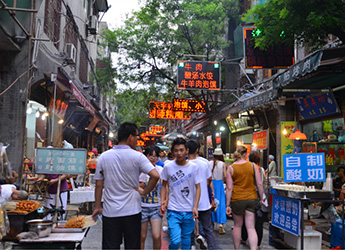
Located in the heart of Xi’an near the Drum Tower and Bell Tower, the Muslim Quarter (Huimin Street) is one of the city’s most famous cultural and culinary destinations. With its narrow lanes, traditional architecture, lively markets, historic mosques, and authentic halal cuisine, it offers visitors a unique opportunity to experience the rich heritage of Xi’an’s Hui Muslim community.
Although the area has become a popular tourist attraction, it remains a genuine neighborhood where local residents continue to live, worship, and preserve their traditional lifestyle. Whether visited during the day or at night, Muslim Quarter is an ideal place to explore Xi’an’s multicultural history, taste local specialties, shop for souvenirs, and capture memorable photographs.
A Historic Center of Hui Muslim Culture
The history of Muslims in Xi’an dates back more than a thousand years. The earliest Muslims in China came from regions known historically as Xiyu (“the Western Regions”), including areas of Arabia and Persia.
During the Tang Dynasty (618–907 AD), Arab and Persian merchants traveled along the Silk Road and introduced Islam to China. The religion expanded significantly during the Yuan Dynasty (1271–1368 AD), when trade and cultural exchanges between China and Central Asia became even stronger.
Over generations, Muslim communities gradually settled in the northwestern part of Xi’an’s ancient walled city, where the Muslim Quarter developed into an important center of Hui culture. Today, the area remains home to a large Hui Muslim population, many of whose families have lived there for hundreds of years.
Daily Life and Islamic Traditions
For the local Hui community, mosques play an important role in both religious and social life. Many residents identify themselves through their connection with a particular mosque, reflecting the deep relationship between faith, community, and daily activities.
The mosques in the area use loudspeakers to announce the call to prayer five times a day, following Islamic traditions. Before prayer, worshippers perform ritual washing, including cleansing the hands, feet, face, nose, mouth, eyes, and ears. Many mosques provide dedicated ablution facilities with running water for this purpose.
During Ramadan, the Islamic month of fasting, local Muslims observe fasting from sunrise to sunset. Visitors may notice traditional cultural features of the community, such as men wearing white prayer caps and some elders wearing long beards.
 Food Paradise of Xi’an
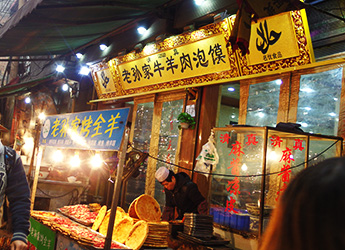
The biggest attraction of Muslim Quarter for many visitors is its incredible variety of halal cuisine. The streets are filled with food stalls, restaurants, bakeries, and traditional shops offering flavors that combine Chinese culinary traditions with Islamic influences.
Popular local foods include:
* Yangrou Paomo (crushed flatbread soaked in lamb soup)
* Roujiamo (Chinese-style meat sandwich)
* Lamb kebabs grilled over charcoal
* Biangbiang noodles
* Steamed buns and pastries
* Persimmon cakes
* Various halal desserts and snacks
The lively atmosphere, aroma of grilled meats, and traditional cooking techniques make Muslim Quarter one of the best places to experience Xi’an’s food culture.
Shopping and Photography
Besides food, Muslim Quarter is also known for its traditional shops and markets. Visitors can find a wide range of souvenirs, handicrafts, local snacks, and cultural products.
The area is especially popular among photographers because of its:
* Traditional street scenes
* Historic buildings
* Colorful food stalls
* Local craftsmen
* Night market atmosphere
The combination of ancient streets and vibrant daily life makes Muslim Quarter one of Xi’an’s most photogenic neighborhoods.
Great Mosque of Xi’an
One of the highlights of the Muslim Quarter is the famous Great Mosque of Xi’an, one of the oldest and largest mosques in China.
Unlike traditional Islamic mosques in the Middle East, the Great Mosque of Xi’an combines Islamic religious elements with traditional Chinese architectural styles, featuring courtyards, wooden structures, gardens, and Chinese-style decorations. It reflects the unique cultural integration that developed along the ancient Silk Road.
Visiting Muslim Quarter
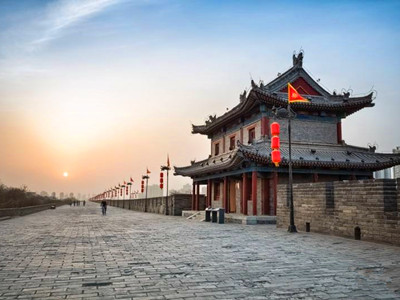
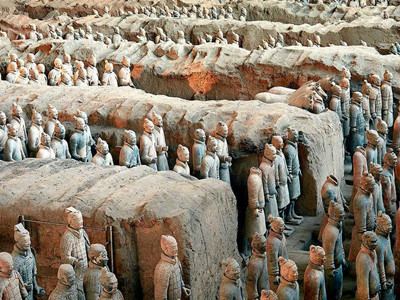
For travelers exploring Xi’an, Muslim Quarter is an essential stop alongside famous historical attractions such as the Terracotta Warriors, Ancient City Wall, and Big Wild Goose Pagoda.
The area provides a rare opportunity to experience the diversity of Chinese culture through food, architecture, religion, and everyday life. From morning markets to evening food streets, Huimin Street remains one of the most memorable places to discover the living history of Xi’an.