The Small Wild Goose Pagoda Scenic Area is located in the southern suburb of Xi’an, about 2 kilometers south of the ancient City Wall. Covering an area of approximately 16.3 hectares (40.4 acres), the scenic area consists of three major attractions: the Xi’an Museum, the historic Jianfu Temple, and the renowned Small Wild Goose Pagoda. Combining Tang Dynasty architecture, Buddhist culture, historical relics, and tranquil gardens, it has become an ideal destination for sightseeing, cultural exploration, and leisure.
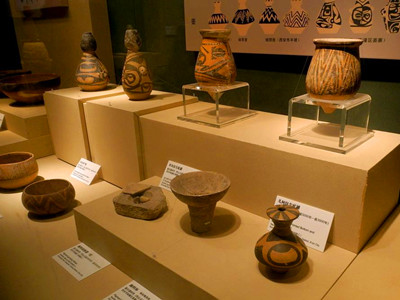
The Xi’an Museum, located in the western part of the scenic area, houses more than 2,000 precious historical artifacts, showcasing the long history and splendid culture of ancient Chang’an, the former capital of several Chinese dynasties. Along the central axis of Jianfu Temple are several important structures, including the White-Clothing Pavilion, Small Wild Goose Pagoda, Sutra Depository, Mahavira Hall (Daxiong Hall), and Maitreya Pavilion. Surrounded by lush trees, green lawns, and beautiful flowers, the temple complex creates a peaceful atmosphere that perfectly blends architecture and nature.
Near the museum is a spacious circular plaza and a scenic artificial lake decorated with two elegant stone arch bridges. Visitors can enjoy a relaxing walk while appreciating the harmony between ancient buildings and modern landscape design.
To enhance visitors’ experiences, the scenic area provides an intelligent audio guide system. When visitors arrive at different attractions, the guide device automatically provides detailed explanations. In addition to Chinese narration, versions for children and foreign languages are also available. Visitors need to pay a refundable deposit of CNY 100, which will be returned after the device is returned at either the west gate or north gate.
History and Architecture of Small Wild Goose Pagoda
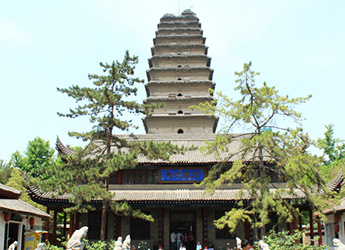
The Small Wild Goose Pagoda was built in 707 AD during the prosperous Tang Dynasty (618–907 AD). It was named to distinguish it from the larger and more famous Big Wild Goose Pagoda, which was built earlier and is located in another part of Xi’an. Compared with the grand and imposing Big Wild Goose Pagoda, the Small Wild Goose Pagoda is known for its delicate design, elegant proportions, and graceful appearance. It is one of the most important surviving symbols of ancient Chang’an and an outstanding example of Tang Dynasty Buddhist architecture.
The brick pagoda originally had fifteen stories and now stands at thirteen stories, reaching a height of 43.38 meters (142 feet). It has a square layout and a slender, elegant shape that gradually narrows toward the top. Each level becomes smaller in height as it rises, creating a smooth and graceful silhouette.
The pagoda features typical Tang Dynasty architectural characteristics, including layered brick eaves that curve inward. The first floor has arched doorways facing north and south, while the upper floors contain arched windows. The delicate carvings and decorative patterns on the doors reflect the artistic style of the Tang Dynasty. Inside the pagoda, a narrow wooden staircase leads visitors 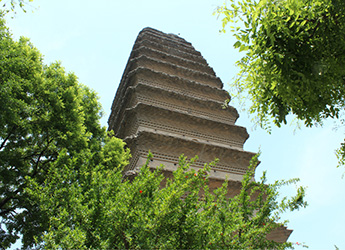 upward.
A Miracle of Ancient Earthquake-Resistant Architecture
One of the most fascinating aspects of the Small Wild Goose Pagoda is its remarkable ability to withstand earthquakes. Xi’an is located in an area where earthquakes have occurred throughout history, so ancient builders designed the pagoda with a special foundation. The base was constructed from compacted earth in a hemispherical shape, allowing earthquake pressure to spread evenly and reducing structural damage.
Over more than a thousand years, the pagoda has survived more than 70 earthquakes. Although the original upper sections were damaged, including the pinnacle and two upper floors, the main structure remains standing today. Even more impressive, some cracks caused by earlier earthquakes were naturally closed by later seismic movements, demonstrating the wisdom and craftsmanship of ancient Chinese architecture.
Morning Bell Chimes of the Pagoda
Inside Jianfu Temple stands a huge iron bell measuring about 3.5 meters (11.4 feet) in height and weighing approximately 10 tons. When struck, the bell produces a deep and clear sound that can reportedly be heard from several miles away.
Together, the Small Wild Goose Pagoda and the temple bell form the famous “Morning Bell Chimes of the Pagoda”, one of the Eight Scenic Highlights of Shaanxi Province. The ancient pagoda, resonant bell, and traditional Chang’an music performances create a unique cultural experience that reflects the charm of Xi’an’s historical heritage.
Today, the Small Wild Goose Pagoda Scenic Area combines ancient relics with modern museum facilities, offering visitors an opportunity to explore Tang Dynasty history, appreciate traditional architecture, and experience the cultural atmosphere of China’s ancient capital.
New Year Temple Fair
Date: Usually held from the 28th day of the 12th lunar month to the 15th day of the first lunar month (from three days before Chinese New Year to the Lantern Festival period)
Opening Hours: 09:00–21:00
Activities: Traditional exhibitions, folk performances, lantern displays, and cultural activities