Located in the Qinling Mountains about an hour’s drive southwest of Xi’an, Louguantai (Louguan Tai) is one of the most important Taoist cultural sites in China. Known as a legendary birthplace of Taoist philosophy and a peaceful natural retreat, the area combines ancient religious heritage with beautiful mountain scenery and rich biodiversity.
For more than two thousand years, Louguantai has been closely associated with Lao Tzu (Laozi), the founder of Taoism and the author of the classic philosophical work Tao Te Ching. Today, it is also recognized as a wildlife conservation area, home to many rare and endangered species.
Louguantai and the Origins of Taoism
According to Taoist tradition, Louguantai was the place where Lao Tzu completed his masterpiece, the Tao Te Ching, during the 6th century BC. Legend says that before leaving China and traveling westward, Lao Tzu lectured on his teachings at this location, spreading ideas that later became the foundation of Taoist philosophy.
Taoism emphasizes harmony between humans and nature, along with principles such as:
* Longevity and health
* Humility
* Wu wei (non-action or acting in accordance with nature)
* Respect for the natural world
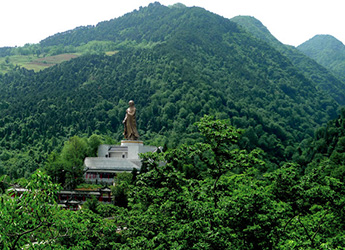
The peaceful forests, mountains, and streams surrounding Louguantai reflect many of the ideals central to Taoist thought. It is easy to understand why this quiet landscape inspired ancient philosophers seeking spiritual enlightenment.
 Natural Scenery and Wildlife Reserve
Beyond its religious importance, Louguantai is famous for its beautiful natural environment. The surrounding mountains are covered with dense forests of:
* Pine trees
* Oak trees
* Juniper trees
* Bamboo
Clear mountain streams flow through the valleys, creating a tranquil atmosphere ideal for hiking, photography, and nature exploration.
The Louguantai area is also an important habitat for rare wildlife. Animals found in the region include:
* Giant pandas
* Black bears
* Crested ibises
* Giant salamanders
* Leopards
* Monkeys
* Musk deer
* White-lipped deer
The combination of forest ecosystems and wildlife conservation makes Louguantai an excellent destination for visitors interested in both culture and nature.
Louguantai Taoist Temple
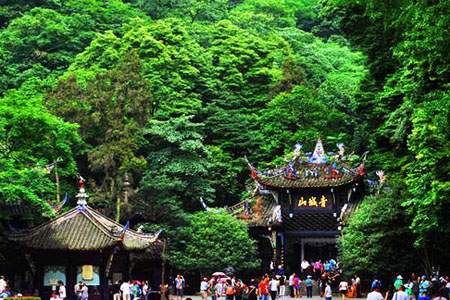
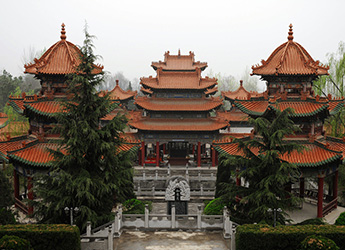
The Louguantai Taoist Temple complex is surrounded by forests and mountains, creating a peaceful setting for religious practice. The complex includes:
* Traditional wooden pavilions
* Taoist monk residences
* Dining facilities
* A souvenir shop
The temple architecture reflects traditional Taoist design, emphasizing simplicity and harmony with the surrounding environment.
In keeping with Taoist respect for nature, some temple buildings have installed solar panels as part of environmental protection efforts. The temple grounds also feature an ancient ginkgo tree, which according to local tradition was planted by Lao Tzu himself.
Visiting Louguantai
Today, Louguantai offers visitors a unique opportunity to experience the spiritual atmosphere of Taoism while enjoying the natural beauty of the Qinling Mountains.
For travelers visiting Xi’an, Louguantai provides a peaceful alternative to the city’s famous historical attractions. It is an ideal destination for those interested in:
* Taoist culture
* Ancient Chinese philosophy
* Mountain scenery
* Wildlife observation
* Outdoor hiking
A visit to Louguantai allows travelers to discover the connection between Chinese philosophy, religion, and the natural world.