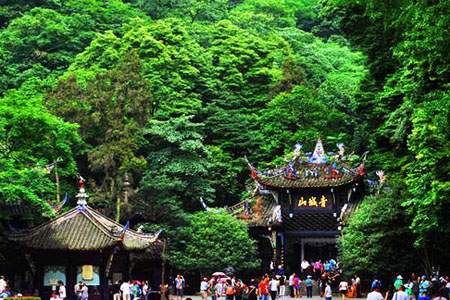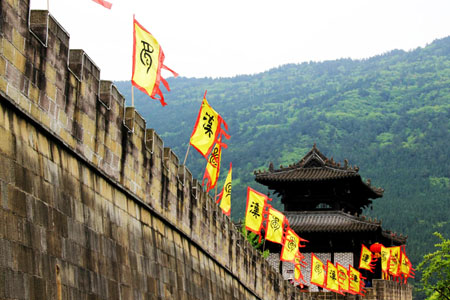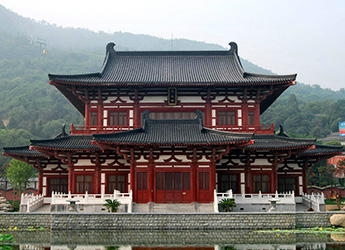
Located at the northern foot of Mount Li (Lishan Mountain), about 30 kilometers east of downtown Xi’an, Huaqing Palace (Huaqing Pool) is one of the most famous historical attractions in Shaanxi Province. Known for its natural hot springs, beautiful mountain scenery, and royal history, Huaqing Palace has been a popular retreat for emperors and travelers for more than two thousand years.
Surrounded by the Qinling Mountains and blessed with warm mineral-rich springs, Huaqing Palace combines natural beauty, ancient architecture, romantic legends, and important historical events, making it one of the must-visit destinations near Xi’an.
History of Huaqing Palace
The hot springs at Huaqing Palace have been used for approximately 2,500 years. According to historical records, the warm mineral waters attracted rulers as early as the Qin Dynasty, including Emperor Qin Shi Huang, who appreciated the area for its pleasant environment and healing waters.
During the Tang Dynasty (618–907 AD), Huaqing Palace reached its golden age. It became an important imperial resort where emperors escaped from the cold winters and enjoyed the peaceful scenery of Mount Li.
The palace was especially associated with Emperor Xuanzong of Tang and his beloved consort Yang Guifei, whose famous romance became one of the most celebrated love stories in Chinese history.
Yang Guifei and the Romantic Legend
One of the most famous stories connected with Huaqing Palace is the love between Emperor Xuanzong (685–762 AD) and Yang Guifei, one of the Four Beauties of ancient China.
According to legend, Yang Guifei frequently bathed in the imperial hot springs, and the luxurious pools at Huaqing Palace became closely linked with her beauty and elegance.
The famous Huaqing Pool where Yang Guifei is said to have bathed has become a symbol of Tang Dynasty romance and imperial life. Many visitors come here to learn about the legendary relationship between the emperor and his favorite consort.
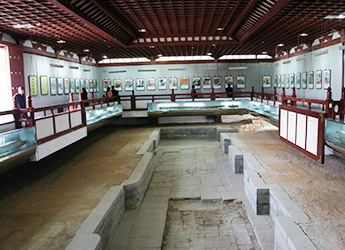 Ancient Hot Spring Pools
The highlight of Huaqing Palace is its collection of historic bathing pools. Each pool has its own story and reflects the strict hierarchy of imperial life during the Tang Dynasty.
Important pools include:
* Lotus Flower Pool – Built for Emperor Xuanzong, named for its lotus-like design
* Begonia Flower Pool – Associated with Yang Guifei
* Prince Pool – Used by members of the imperial family
* Star Pool – Another royal bathing area
Today, visitors can explore these historic pools and experience the atmosphere of an ancient imperial bathing resort.
Natural Beauty of Mount Li
Huaqing Palace is located in the scenic area of Mount Li, a branch of the Qinling Mountains. The combination of forests, mountains, hot springs, and traditional architecture creates a peaceful environment that has attracted visitors throughout Chinese history.
The area is especially beautiful in spring and autumn, when the surrounding landscape offers excellent views for sightseeing and photography.
The Xi’an Incident
Besides its Tang Dynasty history, Huaqing Palace also played an important role in modern Chinese history.
In 1936, the famous Xi’an Incident took place here. At the time, Chiang Kai-shek was staying at Huaqing Palace when he was arrested by Nationalist officers who wanted him to change his policy and focus on resisting the Japanese invasion.
The event became a major turning point in modern Chinese history and is remembered as an important moment before the Second Sino-Japanese War.
Visitors can explore related historical sites within the palace area to learn more about this event.
Lintong Museum and Nearby Attractions
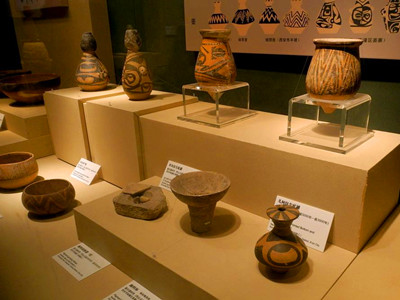
Near Huaqing Palace is the Lintong Museum, which displays cultural relics related to the long history of the region.
The area is also close to several famous Xi’an attractions, including:
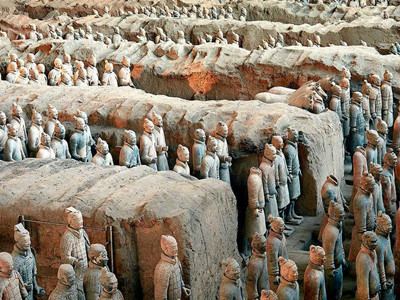
* Terracotta Warriors and Horses Museum
* Mount Li Scenic Area
* Qin Shi Huang Mausoleum
Many travelers combine Huaqing Palace with the Terracotta Warriors for a full-day historical tour from Xi’an.
Visiting Huaqing Palace
Today, Huaqing Palace remains one of the most popular cultural attractions near Xi’an. Visitors can admire ancient royal gardens, explore historic hot spring pools, enjoy performances featuring Tang Dynasty culture, and discover stories that shaped Chinese history.
With its combination of imperial luxury, romantic legends, natural scenery, and historical significance, Huaqing Palace offers a fascinating glimpse into China’s royal past.