Located on Beiyuanmen Street in the heart of Xi’an’s famous Muslim Quarter, Gao’s Grand Courtyard (Gao Family Courtyard House) is a well-preserved traditional residence that showcases the architectural style, lifestyle, and artistic traditions of ancient Xi’an.
Surrounded by lively food streets and historic lanes, the courtyard provides a peaceful contrast to the busy commercial area. It is an excellent place to explore traditional Chinese residential architecture, admire antique furnishings, and experience local folk culture.
History of Gao’s Grand Courtyard
The courtyard was once the residence of Gao Yuesong, a talented artist and scholar during the Ming Dynasty. Although he lived only 31 years, Gao Yuesong was known for welcoming writers, thinkers, and performers to his elegant home, making the courtyard an important gathering place for cultural exchanges.
The main structure of Gao’s Grand Courtyard was built during the Chongzhen period of the Ming Dynasty (1628–1644) and has a history of more than 400 years.
The courtyard represents the traditional lifestyle of wealthy families in ancient Xi’an, reflecting the importance of family, etiquette, and harmony in Chinese residential culture.
Architecture of Gao’s Courtyard House
Covering an area of approximately 4.2 mu (about 2,800 square meters), Gao’s Grand Courtyard has a total living area of about 2,517 square meters.
The complex features:
* 86 rooms in total
* 56 rooms open to visitors
* Brick-and-wood construction
* Three connected courtyards
* Four independent residential sections
The rectangular layout follows traditional Chinese courtyard house principles, where buildings surround open courtyards to create a balanced environment combining privacy, natural light, and ventilation.
Visitors can appreciate:
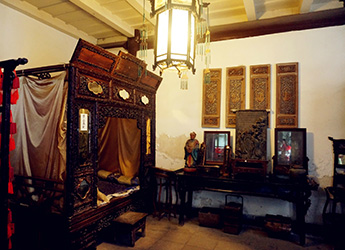
* Ming and Qing Dynasty architectural styles
* Traditional wooden carvings
* Antique furniture
* Decorative details
* Classical garden designs
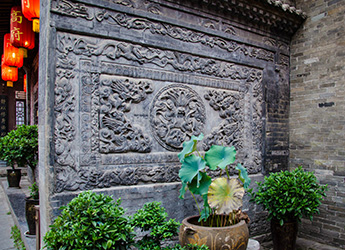 Cultural Heritage Protection
Gao’s Grand Courtyard has been recognized as an important historical building in Xi’an’s old city preservation efforts.
In 2002, it received the UNESCO Asia-Pacific Heritage Award for Culture Heritage Conservation, recognizing its value in preserving traditional Chinese architecture and local cultural heritage.
Today, the courtyard continues to serve as a cultural venue while preserving the atmosphere of an ancient Xi’an residence.
Traditional Chinese Shadow Puppetry
One of the highlights of visiting Gao’s Grand Courtyard is experiencing a traditional Chinese shadow puppet show.
Shadow puppetry is an ancient form of Chinese folk theater in which colorful figures made from leather or paper are moved behind a translucent screen. Performances combine:
* Puppetry
* Traditional music
* Singing
* Storytelling
Local artists usually present short performances lasting around 10–15 minutes, allowing visitors to experience this unique art form.
Shaanxi Province is considered one of the birthplaces of Chinese shadow puppetry, which dates back more than 2,000 years to the Han Dynasty (206 BC–220 AD). Because of its artistic beauty and magical visual effects, it is often called the “Magic of the East.”
Visiting Gao’s Grand Courtyard
Gao’s Grand Courtyard is an ideal destination for travelers interested in Xi’an’s traditional culture beyond its famous historical monuments.
Located within walking distance of the Muslim Quarter’s food streets, it can easily be combined with visits to:
* Xi’an Bell Tower
* Drum Tower
* Great Mosque of Xi’an
* Huimin Street
A visit here offers a glimpse into the elegant lifestyle of ancient Chinese families and the living traditions that continue in Xi’an today.