Located in the eastern suburbs of Xi’an, the Banpo Site (Banpo Museum) is one of the most important prehistoric archaeological sites in China. Dating back around 6,000 years, it provides valuable evidence of the lifestyle, social organization, and cultural development of the people of the Yangshao Culture during the Neolithic Age.
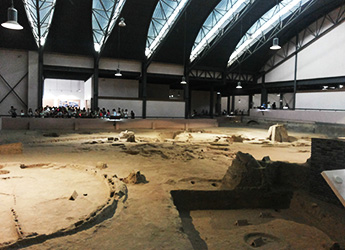
As the first museum built on the site of a prehistoric settlement in China, Banpo Museum allows visitors to explore ancient village ruins, archaeological discoveries, and the daily life of early Chinese communities.
Discovery and History of Banpo Site
The Banpo Site was discovered in 1953 during archaeological surveys. After the discovery, the importance of the site was recognized, and construction of a museum was approved. The Xi’an Banpo Museum officially opened to the public in 1958, becoming one of the earliest archaeological site museums in China.
Archaeologists discovered approximately 10,000 cultural relics at the site, including:
* Production tools
* Daily-use objects
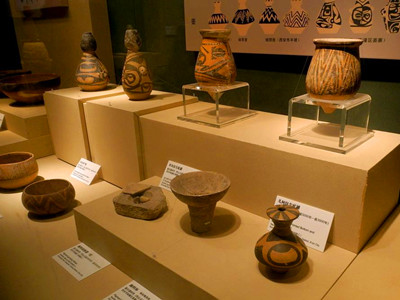
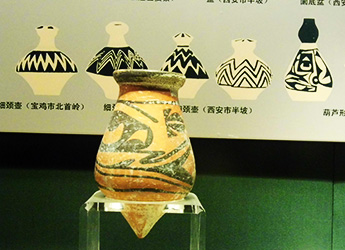
* Painted pottery
* Stone implements
* Bone tools
* Decorative ornaments
* Sculptures
Among the most famous discoveries is the national treasure:
Basin with Human Face and Fish Pattern
This unique painted pottery artifact has become a symbol of Banpo culture and one of the most representative relics of prehistoric China.
Banpo Site and Yangshao Culture
The Banpo Site is a typical example of the flourishing Yangshao Culture (around 5000–3000 BC) in the middle reaches of the Yellow River.
Archaeological discoveries reveal that Banpo people lived in an organized settlement with:
* Residential houses
* Storage areas
* Pottery-making workshops
* Burial areas
 * Defensive ditches
The remains provide important information about how prehistoric communities developed agriculture, handicrafts, and social structures.
Visitors can learn about:
* Ancient farming methods
* Hunting and fishing activities
* Pottery production
* Family and community organization
* Religious and burial customs
Banpo Museum: China’s First Prehistoric Settlement Museum
Xi’an Banpo Museum is recognized as the first on-site museum of a prehistoric settlement in China.
The museum has received many national recognitions:
* 1961 – Listed as one of China’s first National Key Cultural Relics Protection Units
* 1997 – Named one of the Top Ten Tourism Attractions of Xi’an
* 2008 – Recognized as a National First-Level Museum
The museum’s name was written by Guo Moruo, a famous Chinese writer, historian, and scholar.
Museum Exhibitions and Modern Displays
In 2010, Banpo Museum opened a new basic exhibition featuring modern display techniques that combine traditional exhibits with interactive technology.
The exhibition includes:
* Archaeological relic displays
* Multimedia presentations
* Phantom imaging
* Electronic interactive books
* Dynamic projection displays
* Rotating exhibition platforms
A half-scenery reconstruction combines real objects with virtual scenes to recreate the daily life of Banpo ancestors.
Through modern technology, visitors can experience how prehistoric people lived, worked, and interacted thousands of years ago.
Life of the Banpo People
The archaeological remains at Banpo provide a vivid picture of ancient village life.
The Banpo people were mainly engaged in:
* Agriculture
* Animal husbandry
* Fishing
* Hunting
* Pottery production
They cultivated crops such as millet and created beautifully decorated pottery using advanced techniques for their time.
The painted pottery discovered at Banpo demonstrates the artistic creativity and cultural achievements of early Chinese civilization.
Visiting Banpo Site
Today, Banpo Museum offers visitors a unique opportunity to travel back to prehistoric China.
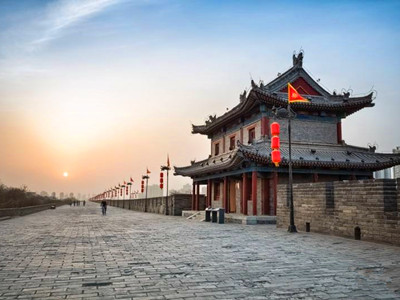
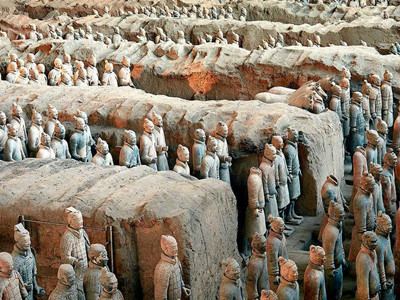
Unlike many historical attractions in Xi’an that focus on imperial dynasties, Banpo reveals the much earlier roots of Chinese civilization and shows the gradual development of human society.
For travelers interested in:
* Archaeology
* Ancient Chinese history
* Prehistoric cultures
* Human civilization
Banpo Site is an important cultural attraction to include in a Xi’an itinerary.