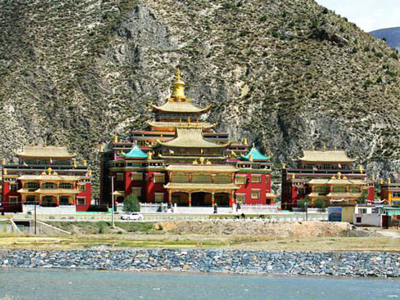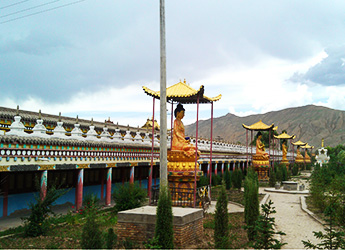
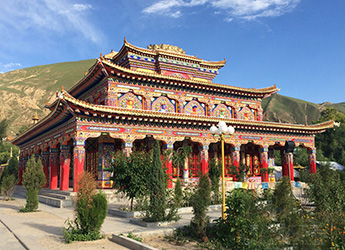
Located in Tongren County (Tibetan name: Repkong), Huangnan Tibetan Autonomous Prefecture, Qinghai Province, Wutun Lamaseries (Wutun Temple) are among the most important centers of Tibetan Buddhist art and Regong culture in northwest China.
Divided into the Upper Wutun Lamasery and Lower Wutun Lamasery, the temples preserve the religious history, artistic traditions, and cultural heritage of Tongren and Qinghai. Famous for their exquisite Thangka paintings, murals, sculptures, and embroidery works, Wutun Lamaseries are often regarded as a living museum of Tibetan Buddhist art.
Together with Nianduhu Lamasery, Guomari Lamasery, and Woke Lamasery, Wutun Lamaseries are known as the “Four Village Lamaseries of Longwu”, representing the unique religious and artistic traditions of the Tongren region.
A Major Center of Regong Art
Tongren is the birthplace of Regong Art, one of the most distinctive forms of Tibetan Buddhist art in China.
The Tibetan name for Tongren is “Regong,” meaning “golden valley,” and the local artistic traditions developed along the Longwu River basin from around the 15th century.
Regong Art includes:
* Thangka painting
* Murals
* Sculptures
* Color paintings
* Embroidery
* Religious handicrafts
Because of its outstanding artistic achievements, Tongren is widely known as the “Home of Tibetan Painters.”
Wutun Lamaseries contain one of the largest and most complete collections of Regong artworks. The monastery walls, halls, and workshops display extraordinary examples of Buddhist artistic traditions that have been passed down for generations.
History of Wutun Lamaseries
According to historical records of Tibetan Buddhism in Amdo, Wutun Temple was built around 1385 during the Ming Dynasty.
The monastery houses many important Buddhist treasures, including:
* Bronze statues of Tsongkhapa
* Images of Shakyamuni Buddha
* Buddhist scriptures such as the Kangyur collection
Important halls within the monastery include:
* Shakyamuni Buddha Hall
* Maitreya Hall
Because the monastery was connected with important Tibetan Buddhist masters and Longwu Temple traditions, it became an influential religious center in eastern Qinghai.
 The Artistic Treasures of Wutun Temple
Wutun Lamaseries are especially famous for their exceptional Regong artworks.
Thangka Paintings
The monastery’s Thangka paintings are among the finest examples of Tibetan Buddhist scroll art.
Artists use:
* Natural pigments
* Precise lines
* Bright colors
* Complex Buddhist symbolism
to create detailed images of:
* Buddhas
* Bodhisattvas
* Religious stories
* Mandalas
* Buddhist teachings
Murals
The murals inside Wutun Temple feature vivid religious scenes and demonstrate advanced painting techniques.
The artworks are characterized by:
* Delicate brushwork
* Harmonious colors
* Strong three-dimensional effects
* Dynamic compositions
Sculptures and Embroidery
In addition to paintings, Wutun Temple preserves impressive:
* Clay sculptures
* Wooden carvings
* Embroidered Buddhist images
* Decorative religious artworks
Together, these treasures make the monastery one of the most important repositories of Tibetan Buddhist art in Qinghai.
Wutun Temple: A Cradle of Tibetan Artists
For centuries, Wutun Lamaseries have trained generations of Buddhist artists.
The monastery has produced many skilled painters, sculptors, and craftsmen who have contributed artworks to temples throughout Tibetan regions and the Amdo Tibetan area.
Today, many artists continue to work within monastery workshops, where visitors can:
* Meet local painters
* Learn about traditional techniques
* Purchase authentic Thangka artworks
This connection between religion, art, and daily life makes Wutun Temple a unique cultural destination.
Experience Tibetan Buddhist Culture in Tongren
Visiting Wutun Lamaseries offers travelers a rare opportunity to explore the living traditions of Tibetan Buddhism and Regong Art.
Unlike many historical sites that only preserve old relics, Wutun remains an active artistic and religious community where ancient skills continue to be practiced.
Highlights include:
* Traditional Tibetan Buddhist architecture
* Ancient religious ceremonies
* Thangka painting workshops
* Beautiful murals and sculptures
* Local Tibetan cultural experiences
For travelers exploring Qinghai, Huangnan, and the Amdo Tibetan region, Wutun Lamaseries are an essential destination to discover the artistic soul of Tibetan Buddhism.
Why Visit Wutun Lamaseries?
Wutun Lamaseries are more than Buddhist temples. They are:
* A center of Tibetan Buddhist culture
* The birthplace of Regong artistic traditions
* A museum of Buddhist painting and sculpture
* A place where ancient craftsmanship survives today
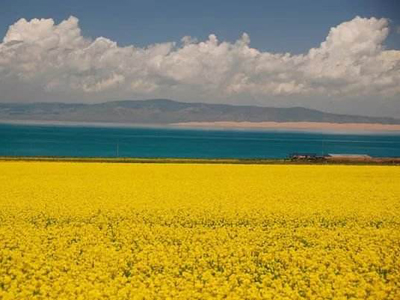
After visiting famous Qinghai attractions such as Qinghai Lake and Kumbum Monastery, travelers looking for deeper cultural experiences should include Tongren Wutun Lamaseries in their Qinghai itinerary.