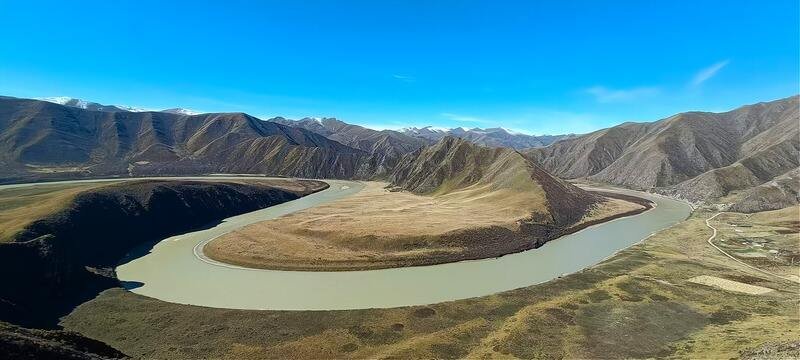
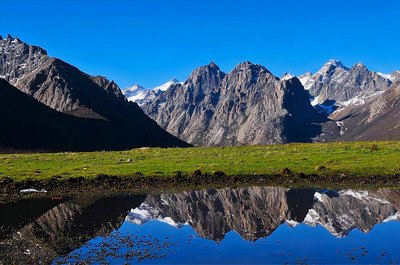
 Jiuzhi County is located in the southeastern part of Golog Tibetan Autonomous Prefecture in Qinghai Province, at the intersection of Qinghai, Sichuan, and Gansu provinces. It borders Aba County in Sichuan to the southeast, Banma County to the south, Gande County across the Yellow River to the northwest, and Maqu County in Gansu Province to the northeast.
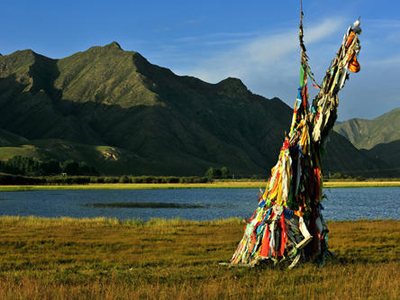
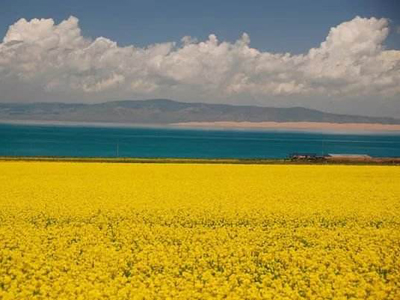
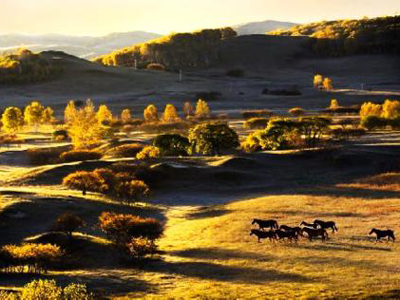
Covering an area of approximately 8,757 square kilometers, Jiuzhi County is a remote and untouched destination on the eastern Qinghai-Tibet Plateau. Known for its magnificent snow-capped mountains, crystal-clear alpine lakes, vast grasslands, and profound Tibetan Buddhist culture, Jiuzhi offers travelers an authentic experience of the natural beauty and spiritual traditions of the Tibetan plateau.
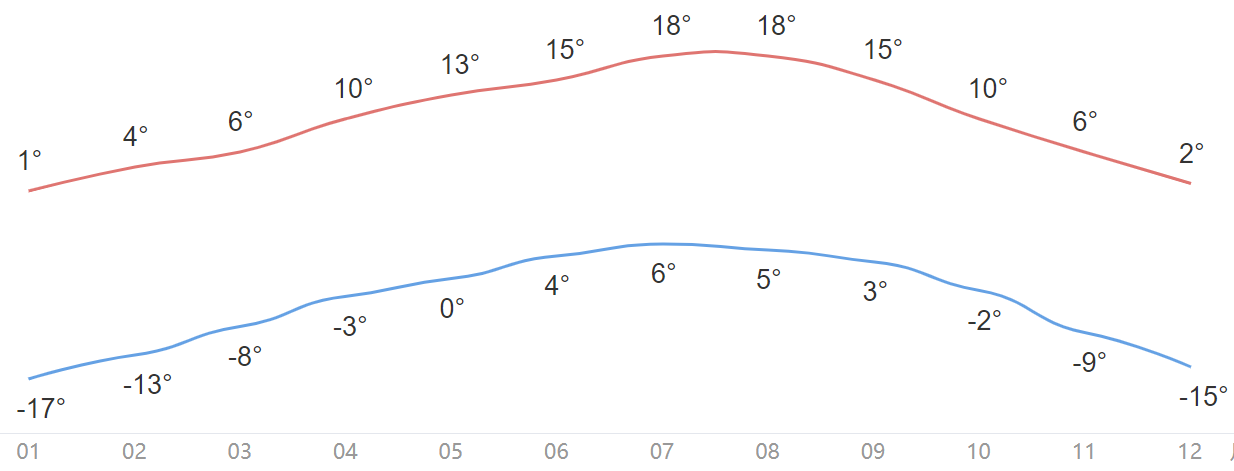
Located at an average elevation of over 4,000 meters, Jiuzhi County has an altitude range from 3,568 meters to 5,369 meters. The region features a typical highland climate, with cool summers, long and cold winters, abundant sunshine, and large temperature variations between day and night.
The county is home to more than ten scenic attractions. Among them, Nianbaoyuze National Geopark is the most famous natural wonder, while Baiyu Datang Monastery is listed as a Provincial Key Cultural Relic Protection Site and represents the county’s rich Tibetan Buddhist heritage.
Tibetan Buddhist Culture in Jiuzhi County
Jiuzhi County has a long and remarkable history of Tibetan Buddhism. The county is home to 11 Tibetan Buddhist monasteries belonging to several major traditions, including the Nyingma, Gelug, and Jonang schools.
Among these traditions, the Nyingma School, the oldest school of Tibetan Buddhism, has the strongest influence in Jiuzhi, with seven monasteries located throughout the county. These monasteries continue to preserve ancient Buddhist teachings, rituals, and cultural practices.
Jiuzhi is also one of the few remaining important centers of the Jonang School. According to modern surveys, there are only 34 Jonang monasteries remaining across Qinghai and Gansu provinces, with two of them located in Jiuzhi County. Among them, Jianu Monastery holds particular importance for preserving Jonang teachings, meditation traditions, and religious practices.
Today, these monasteries serve not only as important pilgrimage destinations but also as valuable cultural sites for visitors interested in exploring Tibetan Buddhism, religious history, and traditional Tibetan architecture.
Nianbaoyuze National Geopark
Nianbaoyuze National Geopark is the most spectacular natural attraction in Jiuzhi County and is often considered the highlight of the region. Covering an area of approximately 2,238 square kilometers, the geopark stretches across Jiuzhi County, Banma County in Qinghai Province, and Aba County in Sichuan Province.
Located within the Bayan Har Mountains, Nianbaoyuze is regarded as a sacred mountain by the Golog Tibetan people. According to local traditions, it is believed to be the birthplace of the Golog tribes and holds deep spiritual significance.
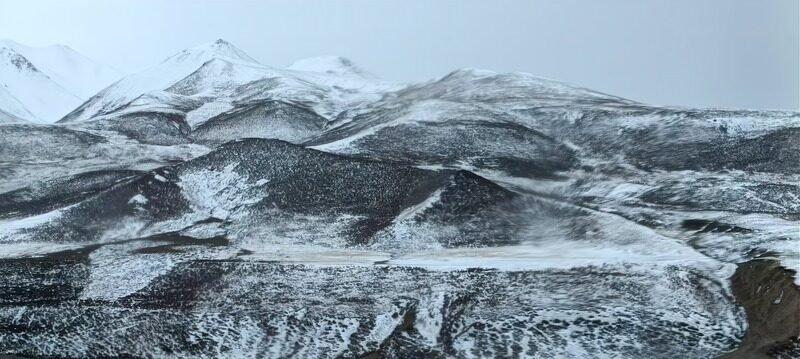
The mountain range extends about 40 kilometers from east to west and 25 kilometers from north to south, featuring numerous snow-covered peaks rising above 4,000 meters. The highest peak reaches an elevation of 5,369 meters, while glaciers cover approximately 7–8 square kilometers.
One of the most impressive features of Nianbaoyuze is its abundance of alpine lakes. More than 360 glacial lakes are scattered throughout the mountains, forming breathtaking landscapes of turquoise waters, ancient glaciers, rugged peaks, colorful rock formations, and endless plateau grasslands.
With its untouched natural scenery, Nianbaoyuze National Geopark has become a popular destination for hiking, photography, wildlife observation, and high-altitude adventure tourism. It is an ideal place for travelers seeking remote landscapes and authentic Tibetan plateau experiences.
Baiyu Datang Monastery
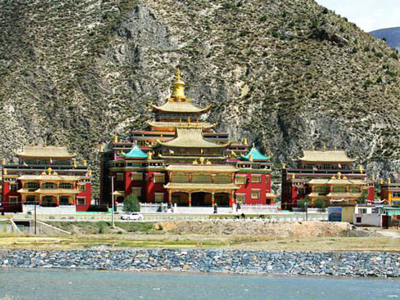
Built in 1857, Baiyu Datang Monastery is located southwest of Jiuzhi County, between the northern and southern routes of the historic Sichuan-Tibet Highway. Surrounded by alpine shrubs and built against a rocky hillside, the monastery overlooks the peaceful Oko River and enjoys a serene natural environment.
As one of the most important Nyingma Buddhist monasteries in Qinghai Province, Baiyu Datang Monastery is renowned for its grand scale, distinctive Tibetan architectural style, and deep religious significance.
The monastery complex includes seven assembly halls, three Buddhist temples, three stupas, eight scripture repositories, and residential facilities for more than 1,000 monks. Its magnificent buildings, extensive collection of Buddhist scriptures, religious artworks, and centuries-old traditions make it an important center of Tibetan Buddhist culture.
For travelers exploring Qinghai’s Tibetan regions, Baiyu Datang Monastery provides a rare opportunity to experience authentic Tibetan religious life, traditional architecture, and the spiritual atmosphere of the Qinghai-Tibet Plateau.
Travel Tips for Jiuzhi County
* Best time to visit: June to September, when the weather is relatively mild and the grasslands are green.
* Altitude preparation: Jiuzhi is a high-altitude destination (over 4,000 meters), so travelers should allow time for acclimatization.
* Recommended experiences: Hiking in Nianbaoyuze, landscape photography, visiting Tibetan monasteries, and experiencing local Tibetan culture.
* Travel style: Jiuzhi is best suited for adventurous travelers seeking remote landscapes, nature exploration, and cultural immersion.