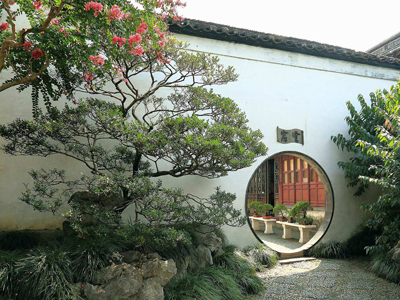
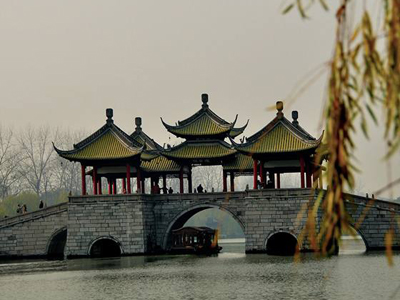
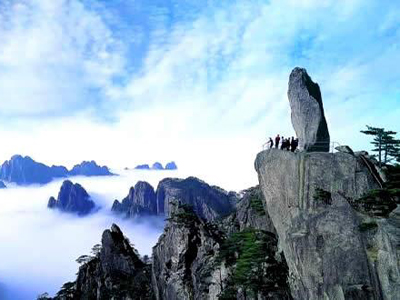
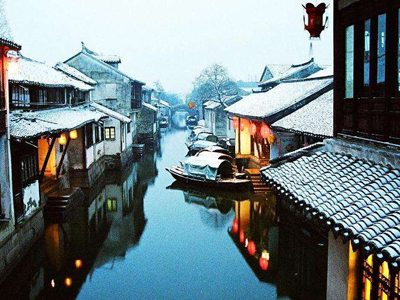
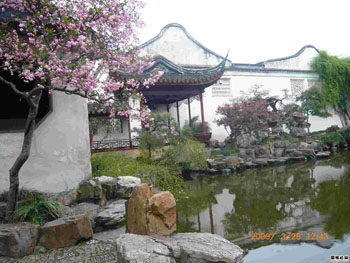
 Located in Suzhou, Jiangsu Province, the Classical Gardens of Suzhou are among the finest examples of traditional Chinese garden art. Known for their exquisite layouts, elegant architecture, artistic landscapes, and harmonious relationship between humans and nature, these gardens represent the highest achievements of Chinese private garden design.
Often described as “poetry and paintings brought to life,” Suzhou’s classical gardens perfectly combine ponds, rockeries, pavilions, corridors, plants, and buildings into carefully designed landscapes. Through the clever use of space, light, and scenery, the gardens create a sense of harmony between architecture and the natural world.
Thanks to their exceptional historical and cultural value, the Classical Gardens of Suzhou were inscribed as a UNESCO World Heritage Site in 1997, with an extension added in 2000. The gardens are recognized as outstanding examples of Chinese landscape gardening and have made an irreplaceable contribution to the history of world garden design.
UNESCO World Heritage Classical Gardens of Suzhou
The UNESCO-listed gardens include:
* Humble Administrator’s Garden (Zhuozheng Garden)
* Lingering Garden (Liuyuan Garden)
* Master-of-Nets Garden (Wangshi Garden)
* Surging Waves Pavilion (Canglang Pavilion)
* Lion Forest Garden (Shizilin Garden)
* Couple’s Retreat Garden (Ouyuan Garden)
* Art Garden (Yipu Garden)
* Retreat and Reflection Garden (Tuisi Garden)
* Mountain Villa with Embracing Beauty (Huanxiu Villa)
These gardens demonstrate the typical characteristics of Suzhou garden design, including sophisticated layouts, delicate structures, artistic decoration, traditional furniture, and the thoughtful combination of natural and artificial elements.
Beyond their beauty, Suzhou’s classical gardens provide valuable insights into Chinese architecture, aesthetics, philosophy, culture, and traditional lifestyles.
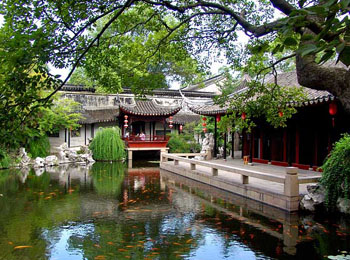 Famous Classical Gardens in Suzhou
Canglang Pavilion (Surging Waves Pavilion)
Built during the Northern Song Dynasty, Canglang Pavilion is the oldest existing classical garden in Suzhou. Together with Humble Administrator’s Garden, Lingering Garden, and Lion Forest Garden, it is regarded as one of the four most famous gardens in Suzhou.
Unlike many elaborate gardens, Canglang Pavilion is admired for its simple and natural style. The garden skillfully combines architecture with the surrounding landscape, creating a feeling that the scenery has naturally developed rather than being artificially arranged.
The garden is built around a peaceful pond, with a stone bridge at the entrance and a yellow stone rockery inside. The hills, water features, corridors, and pavilions are carefully arranged to create a balanced and elegant atmosphere.
Yipu Garden (Art Garden)
Yipu Garden, also known as the Art Garden, is famous for its simple design, spacious layout, and preserved historical features. Covering an area of about five mu (approximately 3,300 square meters), it represents the refined beauty of traditional Suzhou private gardens.
The garden is centered around a pond, with stone bridges, pavilions, rockeries, and courtyards arranged in harmony. The main building, Buoya Hall, stands in the northern section of the garden, while water pavilions, artificial hills, and quiet courtyards create a peaceful landscape.
A unique feature of Yipu Garden is its clever connection between indoor spaces, courtyards, and waterways, reflecting the sophisticated spatial design of Suzhou garden architecture.
Tuisi Garden (Retreat and Reflection Garden)
Built between 1885 and 1887 during the Qing Dynasty, Tuisi Garden is one of the finest examples of late Qing Dynasty private garden design.
Compared with larger gardens in Suzhou, Tuisi Garden is smaller in scale but remarkable for its delicate layout, elegant style, and refined atmosphere. Every pavilion, corridor, pond, and rockery is carefully arranged to create a harmonious relationship between architecture and nature.
The garden was included in the UNESCO World Heritage Site “Classical Gardens of Suzhou” for its outstanding artistic and historical value.
Suzhou-style Bonsai: Miniature Landscapes in a Small Space
In addition to its famous gardens, Suzhou is also renowned for its traditional Suzhou-style bonsai, one of the major schools of Chinese bonsai art.
With a history spanning centuries, Suzhou bonsai reflects the artistic philosophy of Chinese landscape gardening by recreating the beauty of nature in miniature form. Skilled artisans use carefully shaped trees, rocks, and containers to create living landscapes inspired by mountains, forests, and rivers.
Suzhou-style bonsai is known for its elegance, simplicity, and natural appearance. Ancient branches that are decades or even centuries old are carefully cultivated and shaped into graceful forms, including:
* Upright styles
* Cascading forms
* Bending branches
* Natural mountain-like compositions
Influenced by Suzhou’s rich cultural heritage and garden traditions, these miniature landscapes express the same artistic principles found in classical gardens: balance, harmony, and the beauty of nature.
Why Visit Suzhou Classical Gardens?
The Classical Gardens of Suzhou are not simply places of natural beauty; they are masterpieces that reflect centuries of Chinese philosophy, art, and lifestyle. Every bridge, pavilion, stone, and plant has been carefully arranged to create a poetic environment where visitors can experience traditional Chinese aesthetics.
For travelers interested in Chinese history, architecture, photography, and garden culture, Suzhou’s classical gardens offer one of the most authentic cultural experiences in China.
Often combined with attractions such as Tongli Ancient Town, Zhouzhuang Water Town, Tiger Hill, and Suzhou Museum, these gardens make Suzhou one of the most rewarding cultural destinations near Shanghai.