Jinshan Temple is one of the most renowned Buddhist temples in Jiangsu Province and a famous landmark of Zhenjiang City, located on the southern bank of the Yangtze River. With a history of more than 1,600 years, the temple is celebrated for its magnificent traditional architecture, profound Buddhist culture, and its legendary connection with The Legend of the White Snake, one of China’s most famous folk stories.
As one of the top Zhenjiang attractions, Jinshan Temple Scenic Area features ancient Buddhist halls, historic pagodas, peaceful gardens, and spectacular views of the Yangtze River. It is an ideal destination for travelers who want to experience Chinese history, religion, architecture, and traditional culture.
A Buddhist Temple with Over 1,600 Years of History
Jinshan Temple was originally built during the Eastern Jin Dynasty (317–420) and was once located on a small island in the Yangtze River. Over thousands of years, river sediment gradually connected the island with the mainland, creating the unique landscape known as “the temple surrounding the mountain.”
Throughout different dynastic periods, Jinshan Temple was repeatedly renovated and expanded, eventually becoming one of the most influential Buddhist temples in the Yangtze River Delta region. Its unique combination of mountain scenery, ancient architecture, and Buddhist traditions has made it an important cultural attraction in Jiangsu.
Jinshan Temple and The Legend of the White Snake
The fame of Jinshan Temple is closely linked to The Legend of the White Snake, a classic Chinese folk tale that has been passed down for centuries.
According to the legend, the Buddhist monk Fahai encountered the White Snake at Jinshan Temple, leading to the famous story of the battle between Fahai and the White Snake, during which floodwaters were said to have submerged the temple.
The legend has inspired numerous Chinese operas, novels, television series, and films, making Jinshan Temple a fascinating destination for visitors interested in Chinese mythology, literature, and traditional folklore.
Top Attractions at Jinshan Temple
Cishou Pagoda
Cishou Pagoda is one of the most iconic landmarks within Jinshan Temple Scenic Area. The elegant pagoda rises above the temple complex, offering visitors beautiful views of the surrounding landscape, including the Yangtze River and the historic city of Zhenjiang.
Ancient Buddhist Halls
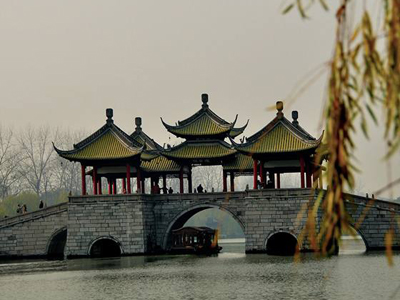
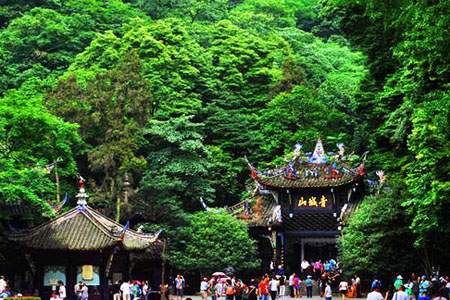
The temple complex contains several well-preserved Buddhist halls featuring traditional Chinese architectural styles, magnificent Buddhist statues, and peaceful courtyards. These historic buildings showcase the development of Buddhist culture and temple architecture in China.
Cliffside Paths, Pavilions and Gardens
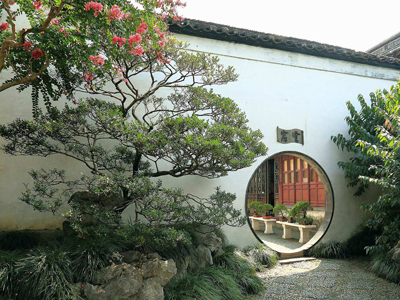
Walking paths wind along the hillside, connecting ancient pavilions, gardens, and scenic viewpoints. Visitors can enjoy a relaxing walk while appreciating the harmony between traditional architecture, natural landscapes, and the flowing Yangtze River.
Things to Do at Jinshan Temple
Visitors to Jinshan Temple Scenic Area can enjoy a variety of cultural and sightseeing experiences:
* Visit the historic Cishou Pagoda
* Explore ancient Buddhist halls and temple buildings
* Discover the story behind The Legend of the White Snake
* Walk through traditional Jiangnan-style gardens
* Enjoy panoramic views of the Yangtze River
* Experience Chinese Buddhist culture and ancient architecture
Why Visit Jinshan Temple?
Jinshan Temple is one of the best places in Jiangsu to experience China’s religious heritage, traditional architecture, and legendary culture. Combining a 1,600-year history, beautiful riverside scenery, and its connection with The Legend of the White Snake, the temple offers a unique cultural experience for international travelers.
Located in Zhenjiang, conveniently between Nanjing and Shanghai, Jinshan Temple is an excellent choice for cultural tours, history lovers, photographers, and travelers exploring the rich heritage of the Yangtze River Delta.