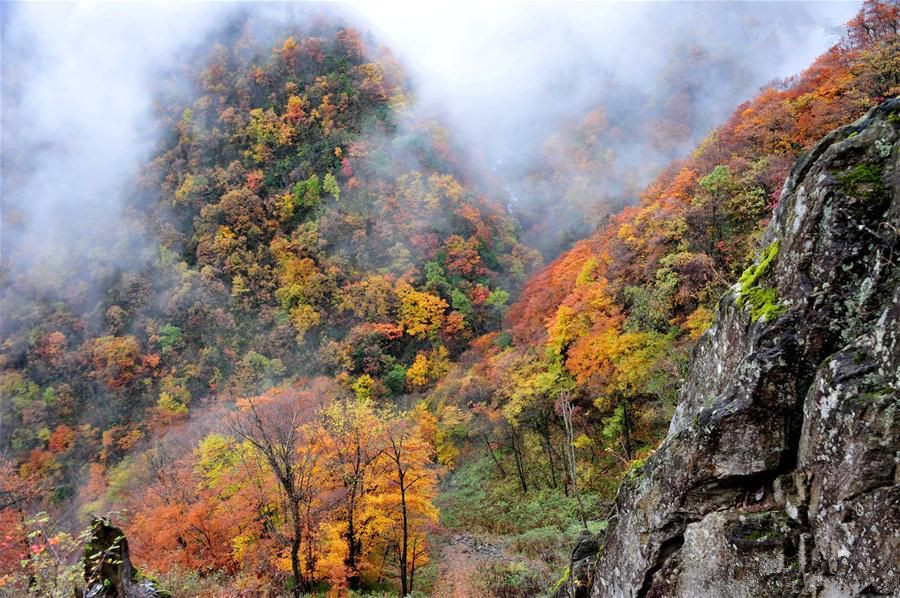
 When people mention Shennongjia, they often think of mysterious wild man legends, untouched primeval forests, and abundant medicinal plants. Located in western Hubei Province, about 480 kilometers from Wuhan, Shennongjia is one of China’s most important natural areas and a paradise for nature lovers, scientists, and adventure travelers.
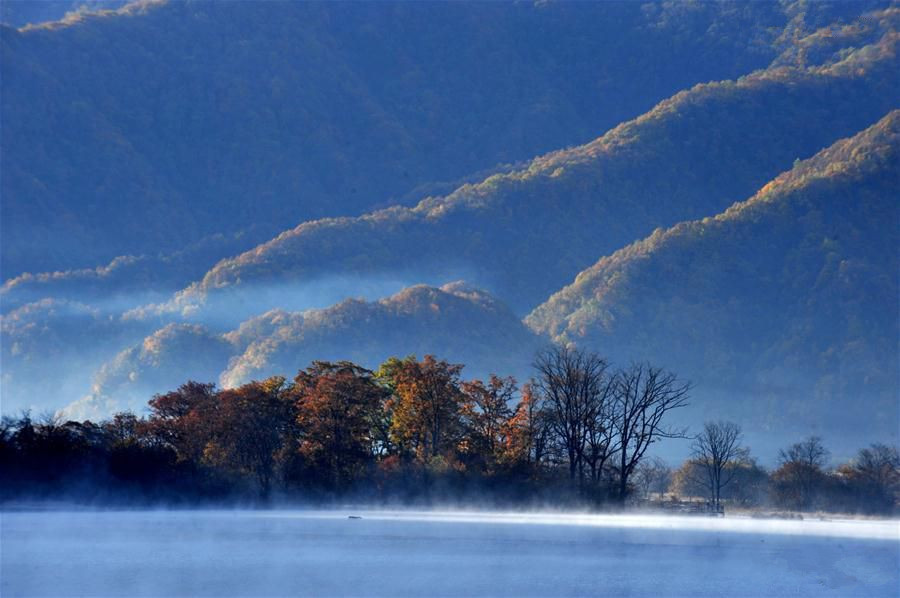
Known for its dense forests, diverse ecosystems, and unique wildlife, Shennongjia National Park is often described as one of the best-preserved large areas of natural wilderness in China.
The scenic region mainly consists of:
* Shennongjia Nature Reserve
* Yantian Scenic Area
* Xiangxiyuan Tourism Zone
* Yuquanhe Tourism Zone
With its spectacular mountains, rich biodiversity, and cultural legends, Shennongjia offers visitors an unforgettable experience in the heart of China’s natural landscapes.
UNESCO World Heritage Site – A Treasure of Biodiversity
In 2016, during the 40th session of the World Heritage Committee, Hubei Shennongjia was officially added to the UNESCO World Heritage List as a natural heritage site. It became one of China’s most valuable protected natural areas and increased the number of Chinese World Heritage properties to 50 at that time.
Shennongjia is recognized as a global treasure of biodiversity due to its exceptional variety of plants and wildlife. The region is especially important for botanical research, and its mountains have played a significant role in the history of plant studies.
The area is home to thousands of plant species and many rare animals, making it an important destination for ecological research and wildlife conservation.
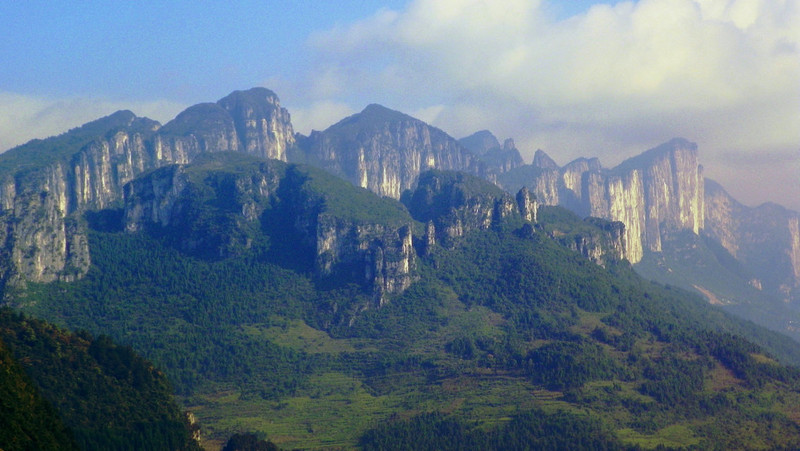 Shennongjia Nature Reserve
The Shennongjia National Nature Reserve is part of UNESCO’s World Network of Biosphere Reserves. Covering approximately 2,618 square kilometers of forest, the reserve features diverse landscapes created by different elevations and climates.
The changing altitude creates various ecological zones, supporting a remarkable range of vegetation, including:
* Primitive forests
* Bamboo forests
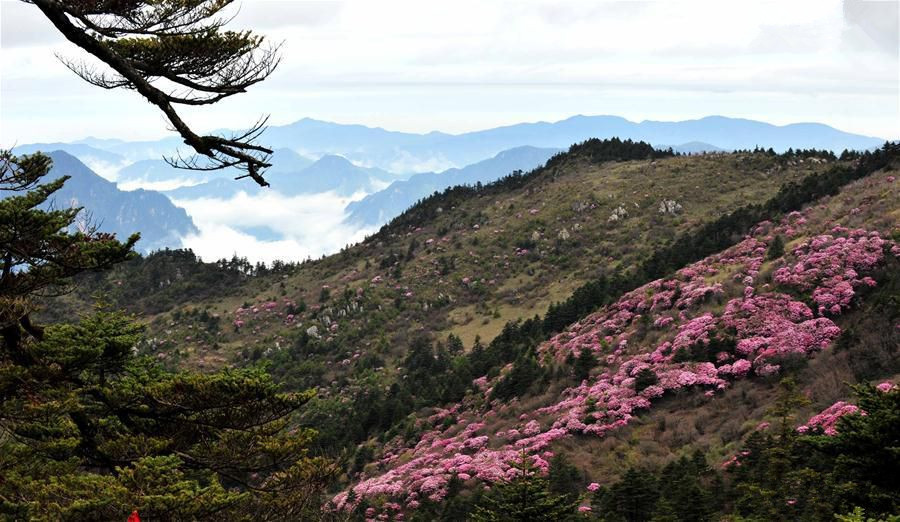
* Rhododendron forests
* Alpine fir forests
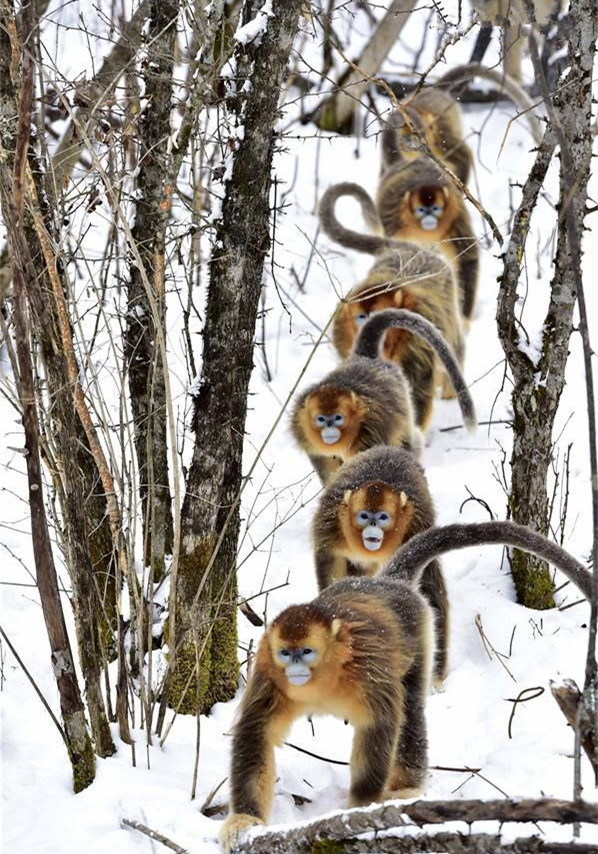
The region is also known for rare wildlife, including the golden snub-nosed monkey, deer species, and many other protected animals.
Best Time to Visit Shennongjia
With an average annual temperature of around 12°C, Shennongjia enjoys a pleasant climate throughout the year and is suitable for travel in different seasons.
The best time to visit is generally from May to October, when visitors can enjoy:
* Colorful rhododendron flowers in bloom
* Hiking through mountain forests
* Cycling along scenic routes
* Exploring waterfalls, valleys, and caves
The fresh air, cool weather, and beautiful natural scenery make Shennongjia an ideal summer escape.
Top Attractions in Shennongjia
Shennongding Scenic Area
Located in the southwest part of Shennongjia Nature Reserve, Shennongding Scenic Area is the highest peak and one of the most famous attractions in the region.
Covering an area of about 2 square kilometers, the scenic area features beautiful landscapes of bamboo forests, rhododendron forests, and alpine fir forests along the route to the summit. Because of its changing scenery throughout the year, it is known as the “Mountain of Four Seasons.”
Nearby, visitors can explore natural forests, waterfalls, valleys, and caves. The area also provides a habitat protection zone for wild animals, where visitors may have the opportunity to see rare species such as:
* Golden snub-nosed monkeys
* Spotted deer
* Other protected wildlife
With its breathtaking mountain scenery and rich biodiversity, Shennongding is a highlight for hiking and nature exploration.
Shennong Altar Scenic Area
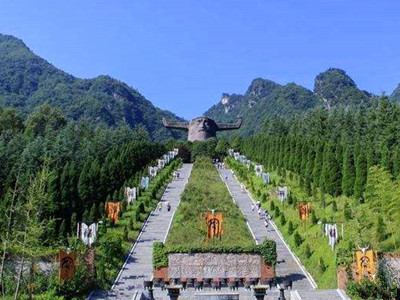
Located at the southern entrance of Shennongjia, Shennong Altar Scenic Area is an important cultural site where Chinese people commemorate Shennong, a legendary ancestor associated with agriculture and traditional medicine.
The central landmark of the scenic area is a magnificent statue of Shennong featuring a human body and bull head, symbolizing wisdom, farming, and harmony between humans and nature. The statue stands approximately 21 meters high and 35 meters wide, making it one of the most impressive cultural symbols in Shennongjia.
Walking down the steps, visitors can see traditional ceremonial objects, including:
* Bells
* Drums
* Bronze tripods
* Incense burners
 The scenic area combines ancient Chinese culture with the natural beauty of surrounding mountains and forests.
Travel Tips for Shennongjia
How to Get to Shennongjia
Transportation to Shennongjia mainly relies on highways. Visitors usually travel from nearby cities such as:
* Yichang
* Shiyan
* Wuhan
A common route is to first arrive at Xingshan County and then take a local bus directly to Shennongjia.
Why Visit Shennongjia?
With its mysterious legends, ancient forests, rare wildlife, and UNESCO recognition, Shennongjia National Park is one of the most fascinating natural destinations in China.
Whether you are interested in ecology, hiking, photography, wildlife, or Chinese legends, Shennongjia provides a unique opportunity to experience a remote and beautifully preserved side of China.