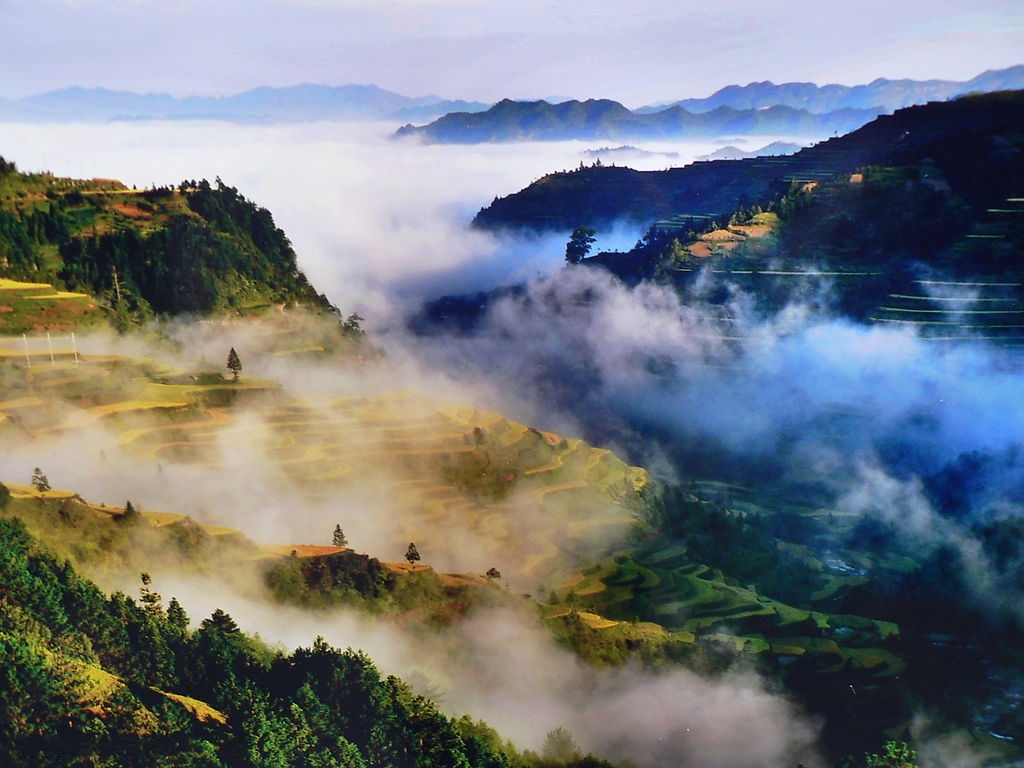
Located about 15 kilometers east of Kaili City in southeast Guizhou Province, Leigong Mountain (Leigongshan) is the main peak of the Miaoling Mountain Range and the highest mountain in southeastern Guizhou, with an elevation of 2,189 meters.
According to local legend, Leigong Mountain is the home of Leigong, the God of Thunder in Chinese mythology. During summer, powerful thunderstorms often echo through the mountains, which is believed to be the reason behind its name.
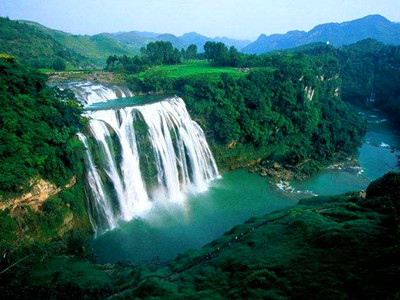
Today, Leigong Mountain is known for its magnificent natural scenery, rich biodiversity, and deep connection with the traditional culture of the Miao ethnic group.
A Paradise of Forests and Biodiversity
Leigong Mountain is the source area of two important rivers in Guizhou: the Qingshui River and the Duliu River. Thanks to its humid climate, abundant rainfall, and well-preserved forests, the mountain is a beautiful natural sanctuary filled with diverse plants and wildlife.
The landscape changes throughout the year, with colorful flowers blooming in different seasons and birds singing throughout the forests. The mountains are covered with dense vegetation, including many valuable plants and wild fruits such as:
* Chinese gooseberries
* Waxberries
* Chestnuts
* Various native plants and flowers
In addition to ornamental plants, Leigong Mountain is also rich in medicinal plants. The area is home to more than 2,000 species of living organisms, making it one of the most biologically diverse regions in Guizhou.
The pristine forests provide habitats for many rare animals, including:
* Black bears
* Pangolins
* Giant salamanders
* Macaques
* Jiaoguai, a rare species found only in Leigong Mountain
Walking through the untouched forests, visitors can experience the feeling of returning to a pure natural environment.
 Historical Heritage of Leigong Mountain
Besides its natural beauty, Leigong Mountain also preserves important historical and cultural sites.
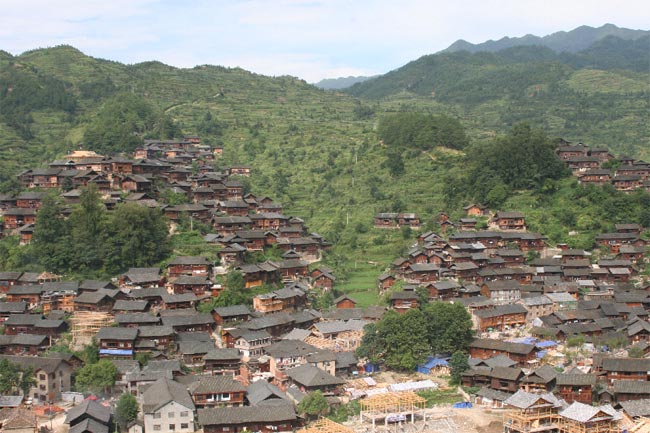
One notable attraction is the Chacha House, a well-preserved traditional Miao-style wooden house that reflects the architectural wisdom and lifestyle of the Miao people.
Leigong Mountain also played an important role in the history of the Miao people. It was the final battlefield of the Miao resistance movement against the Qing government. During the uprising, Miao leaders Zhang Xiumei and Yang Daliu were captured in this area.
Today, visitors can still find historical remains connected with this period, including:
* Ancient military platforms
* Sentry sites
* The memorial tomb where thousands of people were buried
These sites provide insight into the history and struggles of the local ethnic communities.
Experience Miao Culture Around Leigong Mountain
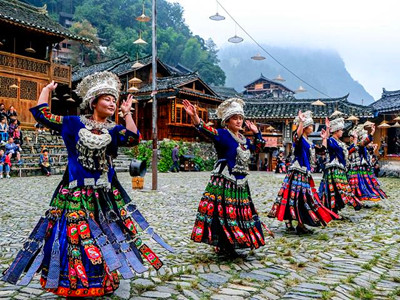
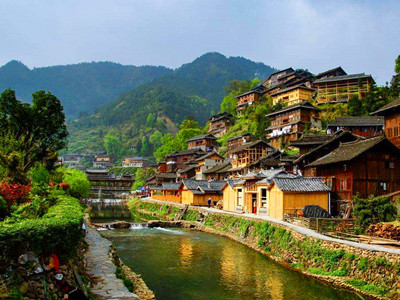
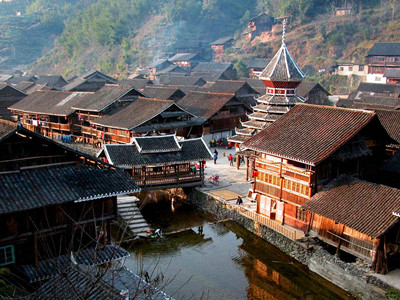
The area surrounding Leigong Mountain is home to many ethnic minority communities, especially the Miao people. Numerous traditional Miao villages are scattered around the mountain, preserving unique customs, architecture, festivals, and traditional lifestyles.
While exploring Leigong Mountain, visitors can not only enjoy spectacular natural scenery but also experience authentic Miao culture through:
* Traditional wooden villages
* Local festivals
* Folk songs and dances
* Traditional costumes and handicrafts
* Local hospitality and customs
Visit Leigong Mountain
With its spectacular forests, rare wildlife, historical heritage, and vibrant Miao culture, Leigong Mountain is one of the most attractive destinations near Kaili, Guizhou.
For travelers interested in nature, hiking, ethnic culture, and off-the-beaten-path experiences, Leigong Mountain offers a unique journey into the landscapes and traditions of southwest China.