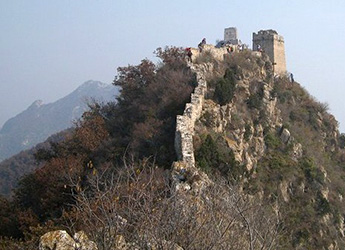
Located in Huairou District, northeast Beijing, the Jiankou Great Wall is widely regarded as one of the most beautiful and dramatic sections of the Great Wall of China.
Known for its steep mountains, rugged terrain, and original appearance, Jiankou Great Wall is especially popular among:
* Experienced hikers
* Adventure travelers
* Landscape photographers
* Great Wall enthusiasts
Unlike many restored sections of the Great Wall, Jiankou retains a more natural and untouched atmosphere, offering visitors an authentic experience of this ancient defensive wonder.
History of Jiankou Great Wall
The Jiankou section was originally built more than 1,000 years ago and was extensively rebuilt during the Ming Dynasty (1368–1644).
Between 1568 and 1615, the famous Ming general Qi Jiguang supervised major reconstruction work to strengthen this important defensive line.
The wall stretches approximately 20 kilometers and connects:
* Mutianyu Great Wall to the east
* Huanghuacheng Great Wall to the west
The name “Jiankou” (Arrow Nock) comes from the shape of the mountain ridge. From a distance, the opening between the peaks resembles the notch of an arrow.
Why Jiankou Great Wall Is Famous
Jiankou is considered one of the most photogenic sections of the Great Wall because of its dramatic landscape and original architecture.
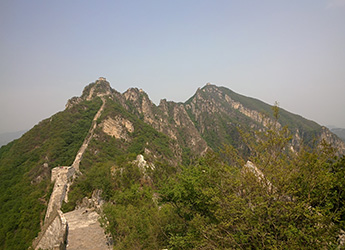
The wall follows steep mountain ridges, creating breathtaking views of:
* Sharp peaks
* Deep valleys
* Ancient watchtowers
* Winding stone paths
The most famous viewpoint is Zhengbeilou Tower (North Watchtower), located at an altitude of approximately 991 meters.
It is one of the most photographed locations on the Great Wall, and many iconic images of Jiankou appearing in travel magazines, guidebooks, and documentaries are taken from this viewpoint.
 Main Sections and Scenic Spots of Jiankou Great Wall
Jiankou is traditionally divided by local villagers into:
* Back Jiankou – the northern section
* Front Jiankou – the southern section
The route extends from:
* Nine-Eye Tower in the northwest
* Zhengbeilou Tower in the southeast
Along the route are around 22 watchtowers and several famous scenic points, including:
* Arrow Nock (Jiankou)
* The Sky Stair
* Eagle Flies Facing Upward
* Beijing Knot
* Nine-Eye Tower
* Zhengbeilou Tower
* Ox Horn Edge
Nine-Eye Tower – A Historic Fortress on Jiankou Great Wall
The Nine-Eye Tower is one of the most distinctive watchtowers along the Jiankou section.
As an important military fortress, it once marked the boundary between Huairou District and Yanqing District.
The tower has:
* Three floors
* Nine windows on each side
* A unique defensive design
Although some modern steps have been added at the rear to allow visitors to reach the rooftop, the tower has largely maintained its original appearance.
The surrounding landscape makes it a popular destination for hikers and photographers.
Beijing Knot – A Unique Great Wall Junction
The Beijing Knot is one of the most famous landmarks on Jiankou Great Wall.
It is named because three sections of the Great Wall meet here from different directions, creating a unique architectural formation.
The climb to the Beijing Knot can be challenging, requiring visitors to use both hands and feet in some areas. However, the route between Nine-Eye Tower and Beijing Knot is considered relatively safer and usually takes around 3–4 hours on foot.
The Sky Stair – The Most Challenging Section
The Sky Stair is one of the most dangerous and dramatic parts of Jiankou Great Wall.
This narrow stone section rises at an angle of approximately 70–80 degrees, making it extremely difficult to climb.
Due to:
* Steep slopes
* Narrow steps
* Loose stones
* Limited footholds
it is recommended only for experienced climbers with proper equipment.
Visitors without professional climbing experience should avoid this section for safety reasons.
Ox Horn Edge – A Rugged Mountain Ridge
From Zhengbeilou Tower, hikers can continue eastward to Ox Horn Edge, another dramatic section of Jiankou Great Wall.
The highest point reaches approximately 1,044 meters above sea level.
The area features:
* Very steep slopes
* Loose bricks and stones
* Narrow mountain paths
Because of the challenging terrain, Ox Horn Edge is recommended only for experienced hikers.
Xizhazi Village – Gateway to Jiankou Hiking Routes
Located near Jiankou Great Wall, Xizhazi Village is one of the main starting points for hiking routes.
Compared with Beijing’s rapidly developing urban areas, Xizhazi remains a quiet mountain village with a population of only several hundred residents.
The trail from Xizhazi Village to Zhengbeikou preserves a more natural mountain environment. Dense vegetation, grass, and bushes cover parts of the route, creating an authentic wilderness hiking experience.
Hiking Tips for Jiankou Great Wall
Jiankou Great Wall is not recommended for first-time Great Wall visitors looking for an easy walk.
Before hiking, travelers should prepare:
* Comfortable hiking shoes
* Sufficient water and food
* Weather-appropriate clothing
* Navigation tools
* Basic hiking experience
The best seasons to visit are generally:
* Spring – pleasant weather and green landscapes
* Autumn – clear skies and colorful forests
Winter offers beautiful snow-covered scenery but requires extra caution due to ice and slippery paths.
Why Visit Jiankou Great Wall?
Jiankou Great Wall offers one of the most unforgettable Great Wall experiences near Beijing.
Compared with popular restored sections such as Badaling, Jiankou provides:
* A more authentic ancient atmosphere
* Dramatic mountain scenery
* Excellent photography opportunities
* Challenging hiking adventures
* Fewer crowds
For travelers seeking the most scenic and adventurous Great Wall hiking experience, Jiankou is one of the best choices in Beijing.