China is a multiethnic country officially composed of 56 ethnic groups. The Han Chinese constitute the majority of the population, while the other 55 ethnic groups are collectively known as ethnic minorities. Together, these minority groups account for approximately 9% of China’s population.
The Han Chinese speak a variety of regional languages and dialects. Mandarin, or Putonghua (普通话), meaning “common speech,” is the official standard language and is the most widely used form of Chinese. Cantonese, widely spoken in Guangdong, Hong Kong, and parts of southern China, is one of the most prominent regional varieties. Many ethnic minority groups also maintain their own distinct languages, writing systems, and cultural traditions.
China’s ethnic minorities are distributed across many parts of the country, particularly in the western, northern, and southwestern border regions. Some ethnic communities also have close cultural and historical connections with peoples living across China's international borders.
China has five autonomous regions established for major ethnic minority populations:
Guangxi Zhuang Autonomous Region
Xinjiang Uyghur Autonomous Region
Tibet Autonomous Region
Inner Mongolia Autonomous Region
Ningxia Hui Autonomous Region
In addition to these autonomous regions, China has numerous autonomous prefectures and autonomous counties where ethnic minority populations are concentrated.
Ethnic Diversity and Historical Development
China has been a multiethnic society for thousands of years. Throughout history, different peoples migrated, traded, fought, intermarried, and interacted with one another, contributing to the development of China's diverse cultural landscape.
Although the Han Chinese established most of China's major historical dynasties, China was also ruled by non-Han peoples during important periods. The Yuan Dynasty (1271–1368) was established by the Mongols under Kublai Khan, while the Qing Dynasty (1644–1912) was established by the Manchus. Both periods had a profound influence on the political, cultural, and territorial development of China.
The territory of modern China took shape through a long and complicated historical process involving successive dynasties, migration, political integration, and frontier administration. The Qing period was particularly important in establishing the broad territorial framework of modern China.
Minority Cultures
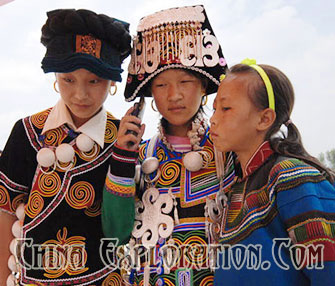
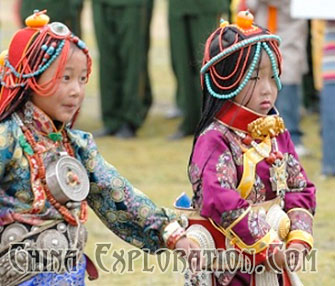
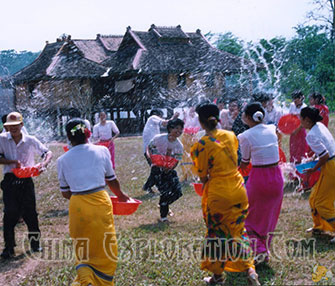
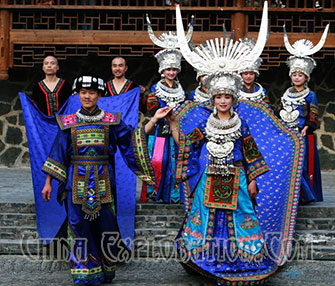
China's ethnic minorities have contributed greatly to the country's cultural heritage. Their traditions include distinctive languages, music, dance, clothing, architecture, religious practices, festivals, handicrafts, cuisine, and forms of traditional medicine.
Among the best-known minority cultures are the Tibetan, Uyghur, Mongolian, Yi, Miao, Dai, Zhuang, Hui, Kazakh, and Korean communities, each with its own history and cultural traditions.
The Chinese government has established various policies and institutions intended to support ethnic minority communities, including preferential policies in areas such as education, economic development, cultural preservation, and regional administration. These policies are particularly important in many remote and less-developed areas where minority populations are concentrated.
China's ethnic diversity is therefore an important part of its national cultural heritage. The interaction among different ethnic groups over thousands of years has contributed to the country's complex and diverse civilization.
Related Tours
Yi People Folklore Exploration in Great Liangshan Mountain
Guizhou of southern China Overland ( 8 Days )
Rock Joseph’s Muli Kingdom Expedition
Mongolia Horse Riding Tour
Tibet Tours
2015 China Overland Tour of Self driving From Laos To Mongolia by Own Vehicle
Kham Kingdom Overland Exploration
28 Days All China Around Exploration