Traditional Chinese Medicine (TCM) is a traditional medical system that has developed in China over thousands of years. It takes a holistic approach to health, viewing the human body as an interconnected system whose functions are influenced by internal conditions and the surrounding environment.
TCM traditionally emphasizes maintaining balance and preventing illness as well as treating existing health problems. Its major therapeutic approaches include acupuncture, Chinese herbal medicine, Tuina massage, dietary therapy, moxibustion, Qigong, and Tai Chi.
TCM Diagnosis and Western Medicine
Traditional Chinese Medicine uses a diagnostic approach that considers the patient as a whole. Practitioners traditionally observe a person's symptoms, physical constitution, lifestyle, diet, emotional state, and other factors when assessing health conditions.
One important principle is that the same symptom may have different underlying patterns in different people, and therefore may require different treatments. Conversely, different symptoms may arise from a similar underlying pattern and may be treated using related approaches.
Modern medical practice in China often combines elements of traditional Chinese medicine with modern Western medical examination, laboratory testing, and diagnostic technology. The two approaches have different theoretical foundations and diagnostic methods, and they may be used alongside one another depending on the condition.
Principles of TCM Treatment
TCM traditionally regards the body as an interconnected whole. Treatment aims to restore balance and support the body's normal physiological functions.
Practitioners may consider factors such as:
Physical constitution
Diet and lifestyle
Emotional and psychological factors
Working and living environment
Patterns of symptoms
The functional relationships among different body systems
Traditional concepts such as Yin and Yang, Qi, Blood, and the meridian system play an important role in TCM theory.
Preventive Treatment
One of the distinctive features of TCM is its emphasis on preventive healthcare. Traditional Chinese medicine encourages people to pay attention to early signs of imbalance rather than waiting until symptoms become severe.
Seasonal changes, periods of prolonged stress, changes in lifestyle, and other circumstances may traditionally be regarded as appropriate times to pay greater attention to health maintenance.
Preventive approaches aim to support the body's resistance, maintain the balance of Yin and Yang, and promote healthy physiological function.
Meridians and Acupuncture Points
In traditional Chinese medicine, meridians (channels and collaterals) are considered pathways through which Qi and other substances circulate throughout the body. They connect different parts of the body and are traditionally understood to link the exterior with the interior and the upper body with the lower body.
According to TCM theory, the meridian system:
Transports Qi, Blood, and body fluids throughout the body
Connects different organs and tissues
Transmits signals and responses between different parts of the body
Helps regulate physiological functions
Acupuncture points (acupoints) are specific locations on the body used in acupuncture and related therapies. Most are located along the meridians, while others are classified as extraordinary points or Ashi points.
A thorough understanding of meridians and acupoints is traditionally considered essential for the practice of acupuncture, moxibustion, and Tuina.
Acupuncture
Acupuncture involves inserting very fine, sterile needles into specific points on the body. In traditional Chinese medicine, these points are selected according to the individual's diagnostic pattern and are intended to regulate the flow of Qi and restore balance.
Modern acupuncture is also studied and used as a complementary treatment for certain conditions, particularly some types of pain. The needles used are extremely thin, and insertion generally produces little discomfort, although patients may experience sensations such as pressure, tingling, or mild aching.
Acupuncture should be performed by a properly trained practitioner using sterile, disposable needles.
Chinese Herbal Medicine
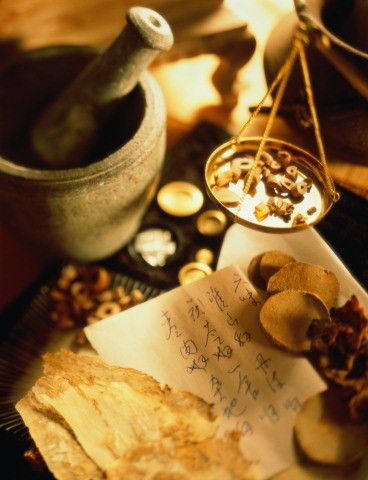
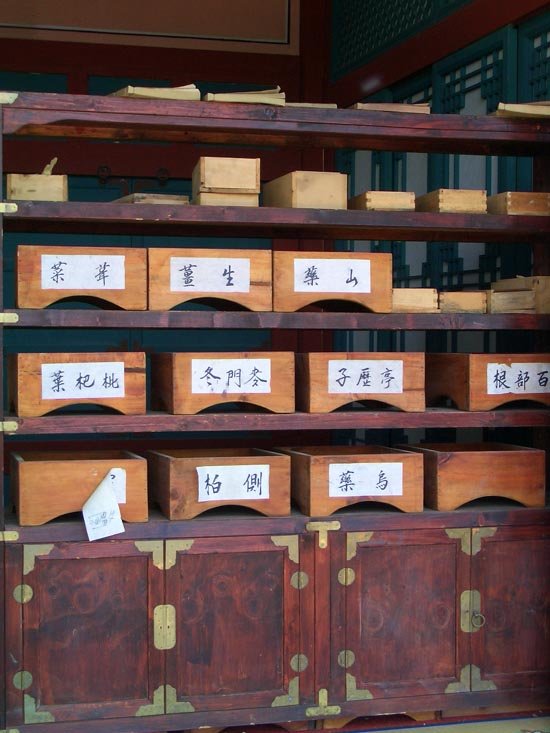
Chinese herbal medicine is another major component of TCM. Traditional prescriptions may contain combinations of plant, mineral, and, historically, animal-derived substances. Formulas are selected according to the individual's condition and traditional diagnostic pattern rather than simply according to a single symptom.
Today, Chinese herbal medicines may be prepared in various forms, including:
Decoctions
Granules and powders
Tablets
Capsules
Liquid preparations
Because herbal products can have pharmacological effects and may interact with conventional medicines, they should be prescribed and monitored by appropriately qualified practitioners.
Tuina
Tuina (推拿) is a traditional Chinese therapeutic massage system. Practitioners use techniques such as pressing, kneading, rolling, stretching, and manipulation to work on muscles, tendons, joints, and other soft tissues.
Traditional Tuina incorporates the meridian system and acupoints, while many modern practitioners also apply principles of anatomy and musculoskeletal therapy.
Tuina is commonly used for musculoskeletal discomfort and may also be incorporated into broader health-maintenance programs.
Benefits and Applications of Tuina
Traditional Tuina is used for a variety of purposes, including:
Supporting physical relaxation and wellness
Promoting circulation
Relieving muscular tension and discomfort
Improving mobility
Reducing stress and promoting relaxation
Supporting recovery from certain musculoskeletal problems
The techniques and intensity of treatment vary according to the individual's condition.
Combining Acupuncture, Herbal Medicine, and Tuina
TCM practitioners may combine several therapeutic approaches according to an individual's needs. For example, acupuncture may be combined with herbal medicine and Tuina when treating a patient with both muscular tension and other functional complaints.
Each approach has a different role: acupuncture provides targeted stimulation, Tuina focuses primarily on manual therapy, and herbal medicine provides an internally administered treatment.
However, the effectiveness and safety of combined treatment depend on the specific condition, the practitioner’s training, and appropriate diagnosis. TCM should complement rather than replace necessary conventional medical care, particularly for serious or acute illnesses.
Ear Candling
Ear candling, also known as ear coning, is sometimes promoted as a traditional or alternative therapy for removing earwax. However, the claims that ear candles safely remove earwax or toxins from the ear canal are not supported by good scientific evidence. The practice can cause burns, ear injury, or candle wax blockage.
For excessive earwax, hearing problems, ear pain, or suspected infection, professional examination and evidence-based earwax removal are safer options. Ear candling should therefore not be presented as an established TCM treatment.
TCM and Modern Healthcare
TCM remains an important part of China's cultural and medical heritage and is practiced in many parts of the world. Some traditional therapies, particularly acupuncture, have been investigated in modern clinical research and may have evidence for specific applications.
At the same time, claims that TCM can treat “almost all modern illnesses” or that treatments are universally “non-toxic” or “without side effects” are too broad. Like conventional medicines and other medical treatments, acupuncture, herbal medicines, and manual therapies can have risks and limitations.
The safest modern approach is to view TCM as a complementary healthcare tradition, using treatments supported by appropriate evidence and ensuring that serious medical conditions receive timely conventional diagnosis and treatment.