Leshan Giant Buddha – The World's Largest Stone Buddha | UNESCO World Heritage Site
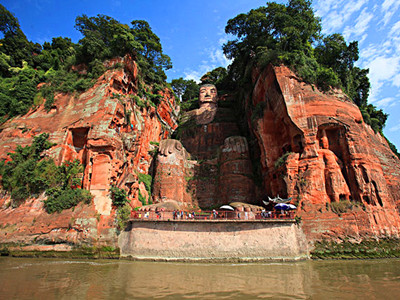
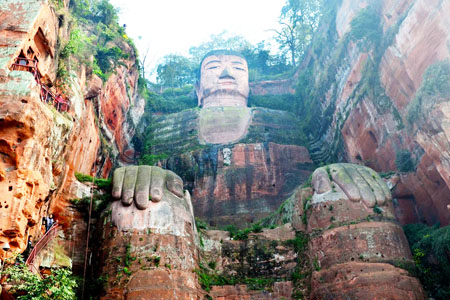
The Leshan Giant Buddha ( 乐山大佛) is one of China's most remarkable cultural landmarks and a must-see attraction in Sichuan Province. Carved into a red sandstone cliff overlooking the confluence of the Minjiang, Dadu, and Qingyi rivers, this magnificent statue stands 71 meters tall, making it the largest stone Buddha sculpture in the world. Construction began in 713 AD during the Tang Dynasty and took approximately 90 years to complete. The site was inscribed on the UNESCO World Heritage List in 1996 as part of the Mount Emei Scenic Area and Leshan Giant Buddha Scenic Area.
Beyond its impressive scale, the Leshan Giant Buddha reflects the artistic achievements, spiritual beliefs, and engineering skills of ancient China. According to tradition, the Buddhist monk Haitong initiated the project in the hope that the Buddha would bring peace to the turbulent rivers and protect passing boatmen. The statue's serene expression, broad shoulders, and carefully carved features create a powerful sense of majesty and tranquility.
Visitors can admire the Giant Buddha from the cliffside walkways, descend the famous Nine-Turn Staircase for a closer view of the statue, or take a river cruise to appreciate its full scale from the water. The surrounding scenic area also features ancient temples, stone carvings, lush vegetation, and beautiful river views, offering a deeper insight into China's Buddhist heritage.
Located approximately 150 kilometers southwest of Chengdu, the Leshan Giant Buddha is an excellent destination for a day trip or a longer Sichuan cultural journey. Many travelers combine it with Mount Emei, one of China's most sacred Buddhist mountains, for an enriching experience of religious history, traditional architecture, and natural scenery.
Whether you are interested in Chinese history, Buddhist culture, ancient sculpture, or UNESCO World Heritage Sites, a visit to the Leshan Giant Buddha offers an unforgettable glimpse into China's spiritual and cultural legacy.

History of the Leshan Giant Buddha
Construction of the Giant Buddha began in 713 AD during the Tang Dynasty under the guidance of a Buddhist monk named Haitong. The project was finally completed in 803 AD, taking more than 90 years and the efforts of thousands of craftsmen and workers.
According to historical records, the three rivers at the foot of Lingyun Mountain were notorious for dangerous currents and frequent boating accidents. Monk Haitong believed that the presence of the Buddha would calm the waters and protect local people whose lives depended on river transportation.
The massive quantities of rock removed during the carving process were deposited into the river, which helped reduce the force of the currents and improved navigation. Thus, the project achieved both religious and practical purposes.
A famous legend tells that when corrupt officials attempted to seize the donations collected for the construction, Haitong declared that they could take his eyes but never the money intended for the Buddha. To prove his determination, he reportedly gouged out his own eyes, causing the officials to flee in fear. Although Haitong passed away before the project was completed, his disciples continued the work until its successful completion.
The World's Largest Stone Buddha 
The Leshan Giant Buddha is truly monumental in scale:
- Height: 71 meters (233 feet)
- Shoulder width: 28 meters (92 feet)
- Ear length: 7 meters (23 feet)
- Finger length: 3 meters (11 feet)
- Foot length: 8 meters (27 feet)
Its enormous feet are large enough to accommodate more than one hundred people, while its shoulders are as wide as a basketball court.
Facing the rivers below, the Buddha sits in a calm and dignified posture, embodying both spiritual serenity and architectural grandeur.
Remarkable Artistic Achievements
The artistic craftsmanship of the Leshan Giant Buddha is one of the finest examples of Tang Dynasty Buddhist art.
One of its most distinctive features is the Buddha's coiled hair, consisting of 1,021 individually carved buns. From a distance, they appear perfectly integrated into the head, demonstrating the extraordinary skills of ancient craftsmen.
The statue's solemn expression and harmonious proportions have inspired countless poems, songs, legends, and artistic works throughout Chinese history.
The Ingenious Ancient Drainage System
One of the greatest engineering achievements of the Leshan Giant Buddha is its sophisticated drainage system.
Hidden channels and gutters are cleverly built into the Buddha's head, shoulders, arms, clothing, and behind the ears. These passages effectively divert rainwater and keep the interior dry, significantly reducing weather-related erosion.
The massive ears, each measuring seven meters in length, are made from wood covered with clay and attached to the stone head—an impressive technological accomplishment considering the construction methods available over 1,200 years ago.
This advanced drainage system has played a crucial role in preserving the monument for centuries and continues to attract admiration from architects and engineers worldwide.
Conservation and UNESCO Recognition
After centuries of exposure to wind, rain, and natural erosion, the Giant Buddha required extensive restoration work. In 1963, the Chinese government launched major conservation efforts to protect this invaluable cultural treasure.
Today, preservation work continues under the guidance of both Chinese experts and UNESCO specialists, ensuring that future generations can continue to appreciate this masterpiece of world heritage.
Top Attractions in Leshan Giant Buddha Scenic Area
Leshan Giant Buddha
The Giant Buddha itself is undoubtedly the highlight of the scenic area. Visitors can descend the famous narrow cliff-side plank road to the foot of the statue, where they can fully appreciate its enormous scale and imposing presence.
The winding pathway offers spectacular views from multiple angles and provides a close-up look at the Buddha's remarkable craftsmanship.
At the top of the statue, visitors can observe the famous 1,021 hair buns and learn about the hidden drainage system that has protected the monument for centuries.
Lingyun Temple
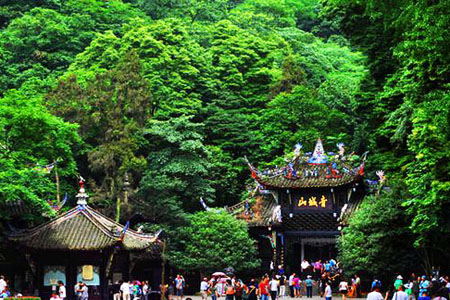
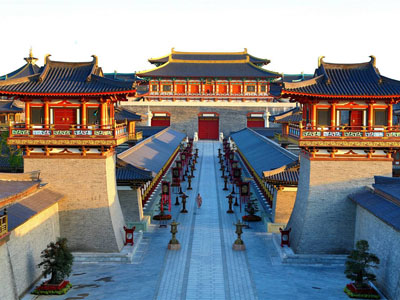
Located atop Lingyun Mountain, Lingyun Temple is also known as the Big Buddha Temple because it stands directly above the Giant Buddha.
The temple predates the construction of the Buddha itself and has a history spanning more than 1,200 years. Surrounded by ancient trees and mountain peaks, the temple complex includes the Heavenly Kings Hall, Mahavira Hall, and Sutra Library.
The halls contain magnificent Buddhist statues, including a 33-ton white marble statue of Maitreya and beautifully crafted images of Sakyamuni Buddha and the Eighteen Arhats.
Wuyou Temple
Situated on Wuyou Mountain, Wuyou Temple was originally built during the Tang Dynasty and remains one of Sichuan's best-preserved Buddhist temples.
The temple's elegant layout follows the mountain's natural contours, while bamboo groves, pavilions, and tranquil gardens create an atmosphere of peace and spiritual retreat. Many visitors describe Wuyou Temple as a hidden paradise removed from the bustle of the outside world.
Mahao Cliff Tombs
The Mahao Cliff Tombs lie between Lingyun Mountain and Wuyou Mountain and represent one of China's most important collections of Han Dynasty cliff burials.
The site contains 544 tombs carved into sandstone cliffs over a distance of approximately 200 meters. The densely packed entrances resemble a giant honeycomb, creating an impressive and mysterious landscape.
These tombs provide valuable insights into burial customs and daily life during the Eastern Han Dynasty and are among the most representative cliff tomb complexes in China.
Best Time to Visit Leshan Giant Buddha
Leshan enjoys a mild subtropical climate and can be visited throughout the year.
Spring and autumn offer the most comfortable weather and beautiful scenery, while summer brings lush greenery to the mountains. Winter is generally mild, with fewer tourists and a peaceful atmosphere.
The Giant Buddha is particularly impressive when viewed from both the mountain pathways and the river cruise, which provides a panoramic perspective of this magnificent monument.
Visitor Information
Location: Leshan City, Sichuan Province, China
UNESCO World Heritage Status: Listed in 1996 together with Mount Emei
Construction Period: 713–803 AD (Tang Dynasty)
Height: 71 meters (233 feet)
Scenic Area Size: Approximately 8 square kilometers
Why Visit the Leshan Giant Buddha?
The Leshan Giant Buddha is far more than a colossal statue. It is a masterpiece of ancient engineering, a symbol of Buddhist culture, and one of China's greatest artistic achievements.
Whether you are interested in history, religion, architecture, photography, or natural scenery, a visit to the Leshan Giant Buddha offers an unforgettable journey into the heart of Chinese civilization and the rich cultural heritage of Sichuan Province.
Tour Map of Leshan Giant Buddha: