Mongolian Pastoral Song: The Traditional Art of the Mongolian Long Song
Mongolian Pastoral Song, known as Changdiao in Chinese, is a traditional vocal art deeply rooted in the grassland culture and nomadic lifestyle of the Mongolian people. Also known as the Mongolian Long Song, this distinctive musical tradition is celebrated for its long, flowing melodies, expressive vocal techniques, and powerful connection to the natural world.
Traditionally performed across the grasslands of northern China and Mongolia, Mongolian Long Song often celebrates the beauty of open plains, rolling mountains, rivers, horses, and the everyday experiences of nomadic life. More than a form of entertainment, it represents an important expression of Mongolian cultural identity, history, and spiritual values.
In 2005, UNESCO proclaimed Mongolian traditional long song as a Masterpiece of the Oral and Intangible Heritage of Humanity. The tradition was subsequently included in UNESCO’s Representative List of the Intangible Cultural Heritage of Humanity in 2008, reflecting its cultural significance and the importance of safeguarding this unique musical heritage.
What Is Mongolian Pastoral Song?
Mongolian Pastoral Song is one of the most distinctive forms of traditional Mongolian music. In Chinese, it is called Changdiao (长调), meaning “long song.” It is commonly contrasted with Duandiao, or “short song,” another traditional form of Mongolian vocal music.
The origins of Mongolian Long Song are closely associated with the development of the Mongolian people’s nomadic pastoral culture. Passed down through generations, these songs preserve traditional knowledge, cultural values, and memories of life on the grasslands.
Long Song is traditionally performed in regions such as Xilin Gol and Hulunbuir in Inner Mongolia, as well as other areas inhabited by Mongolian communities. Related traditions are also found in Mongolia, reflecting the shared cultural heritage of Mongolian communities across national borders.
Distinctive Musical Characteristics
The most remarkable feature of Mongolian Pastoral Song is its expansive melody. Unlike many popular songs with regular beats and short phrases, Long Song allows singers considerable freedom in rhythm, phrasing, and vocal expression.
Its principal musical characteristics include:
1. Long, Flowing Melodies
Mongolian Long Song features extended vocal phrases that may continue over several beats or musical passages. Singers stretch individual syllables and notes, creating a spacious sound that evokes the vastness of the grasslands.
2. Rich Vocal Ornamentation
Grace notes, melodic embellishments, and changes in vocal intensity give each performance its distinctive character. Skilled singers use these techniques to express emotion and bring traditional melodies to life.
3. A Wide Vocal Range
Long Song often moves between low, resonant notes and soaring high tones. These changes in pitch contribute to its expressive power and create a sense of openness and grandeur.
4. Flexible Rhythm and Phrasing
Rather than following a strictly regular rhythm, the music allows singers to shape phrases according to the melody and emotional meaning of the song. The result is a natural, flowing musical style closely associated with the open grassland environment.
5. Themes Inspired by Nature and Nomadic Life
Traditional lyrics frequently celebrate horses, camels, sheep, blue skies, white clouds, mountains, rivers, and abundant pastureland. Other songs express affection for family members and friends, reflect on human destiny, or convey admiration for traditional virtues.
Through these musical and lyrical elements, Mongolian Pastoral Song captures both the beauty of the natural environment and the emotional world of the people who live in it.
The Cultural Significance of Mongolian Long Song
Mongolian Pastoral Song holds an important place in traditional Mongolian society. It is closely connected with social gatherings, family celebrations, seasonal events, and community traditions.
Long Song may be performed at weddings, celebrations marking the completion of a new home, the birth of a child, and traditional events associated with horses and livestock. It can also accompany major cultural gatherings and festivals featuring wrestling, archery, and horse racing.
These performances are more than musical occasions. They provide opportunities for communities to share memories, express emotions, strengthen social relationships, and pass cultural knowledge from one generation to the next.
The lyrics often celebrate the natural landscape, friendship, family bonds, and the values of nomadic society. Through these themes, Mongolian Long Song conveys a deep appreciation for freedom, nature, hospitality, and the enduring relationship between people and the grasslands.
Mongolian Pastoral Song and Grassland Culture
The development of Mongolian Pastoral Song is inseparable from the traditional nomadic lifestyle of Mongolian communities.
For generations, pastoralists have moved across extensive grasslands with their livestock, adapting their daily lives to seasonal changes, weather conditions, and the availability of water and pasture. The open landscape and long distances between settlements helped shape a musical tradition characterized by extended melodies and a remarkable sense of space.
Many songs describe the beauty of horses running across the plains, herds grazing beneath a blue sky, distant mountains, and the changing seasons. Others reflect the experiences, hopes, and emotions of people whose lives are closely connected to animals and the natural environment.
As a result, Mongolian Long Song serves as both an artistic expression and a cultural record of traditional grassland life. It preserves the sounds, stories, and values associated with a way of life that has shaped Mongolian identity for centuries.
UNESCO Recognition and Intangible Cultural Heritage
Mongolian traditional long song received international recognition for its outstanding cultural value. In 2005, UNESCO proclaimed Mongolian traditional long song a Masterpiece of the Oral and Intangible Heritage of Humanity. In 2008, it was incorporated into the Representative List of the Intangible Cultural Heritage of Humanity.
This recognition highlights the importance of Mongolian Long Song as a living tradition that connects music, language, cultural identity, and the natural environment.
Safeguarding this heritage involves more than preserving recordings or written musical notation. It also requires supporting traditional singers, encouraging younger generations to learn the art, and maintaining the cultural settings in which the songs have traditionally been performed.
The shared heritage of Mongolian communities in China and Mongolia also makes cross-border cultural cooperation important for research, documentation, education, and transmission.
Challenges in Preserving Mongolian Pastoral Song
Despite its cultural significance, Mongolian Pastoral Song faces challenges that may affect its continued transmission.
One concern is the gradual decline in the number of traditional songs actively performed and passed down. In some communities, the remaining repertoire has become more standardized, reducing the diversity of local styles and individual interpretations.
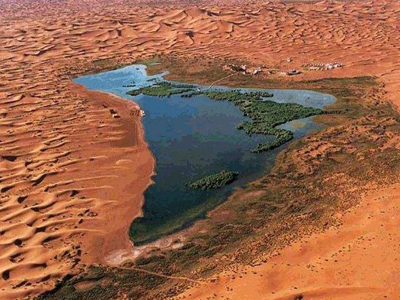
Changes in traditional pastoral life have also affected the cultural context in which Long Song developed. In some grassland areas, desertification and changes in land use have placed pressure on traditional livelihoods. As families move away from nomadic pastoralism or adopt more settled lifestyles, certain themes associated with traditional herding experiences may become less familiar to younger generations.
These changes can weaken the connection between the music and the everyday experiences that originally inspired it.
Protecting Mongolian Long Song therefore requires ongoing efforts to document traditional repertoires, support experienced performers, encourage intergenerational learning, and maintain opportunities for the music to be performed in its cultural context.
Efforts to Safeguard This Traditional Art
Cooperation between China and Mongolia plays an important role in protecting Mongolian Pastoral Song and its associated cultural traditions.
Research, documentation, cultural exchanges, and educational activities can help preserve traditional melodies and performance techniques while encouraging younger generations to appreciate their cultural value.
Supporting traditional singers and creating opportunities for live performances are equally important. Because Long Song is a living art form, its preservation depends not only on recording the past but also on ensuring that the tradition continues to evolve naturally within Mongolian communities.
By safeguarding this musical heritage, future generations can continue to experience the distinctive melodies, cultural memories, and grassland traditions that make Mongolian Pastoral Song an important part of humanity’s shared cultural heritage.
Experience the Musical Heritage of the Mongolian Grasslands
Mongolian Pastoral Song offers a unique way to understand the cultural landscape of the Mongolian grasslands. Its soaring melodies, expressive vocal techniques, and lyrics inspired by nature reveal the close relationship between Mongolian communities and their traditional environment.
For travelers interested in Mongolian culture, traditional music, and the nomadic way of life, learning about Long Song provides a deeper appreciation of the region’s history and cultural identity.
More than a musical tradition, Mongolian Pastoral Song is a living expression of the grasslands—a cultural legacy carried through generations in the voices of the Mongolian people.