http://www.Chinaexploration.com
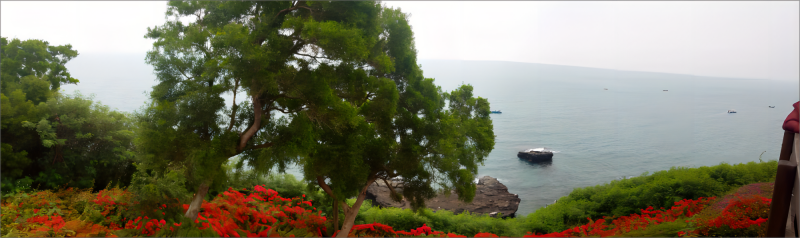
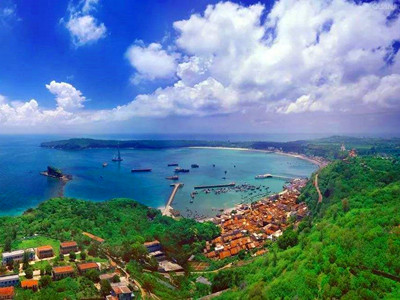
 Weizhou Island (涠洲岛) is a beautiful volcanic island located in the Gulf of Tonkin (Beibu Gulf) and is the largest island in Guangxi Zhuang Autonomous Region, China. Situated west of the Leizhou Peninsula, south of Beihai, and east of Vietnam, the island is a popular coastal destination known for its spectacular volcanic landscapes, clear waters, sandy beaches, and rich cultural heritage.
Administratively, Weizhou Island belongs to Weizhou Town, Haicheng District of Beihai City. Covering an area of approximately 24.74 square kilometers, the island enjoys a pleasant subtropical climate, with an annual average temperature of 22.6°C and annual precipitation of around 1,380 mm, making it an ideal destination for year-round travel.
Geography and Natural Scenery of Weizhou Island
Weizhou Island stretches about 6.5 kilometers from north to south and 6 kilometers from east to west, with a coastline extending approximately 15.6 kilometers. The island features beautiful sandy beaches ranging from 6 to 10 kilometers in length, along with dramatic cliffs, volcanic rock formations, and peaceful fishing villages.
The southern part of the island has a higher elevation and is home to Nanwan Port, the main harbor of Weizhou Island. Visitors can enjoy breathtaking ocean views, explore volcanic coastal landscapes, and experience the relaxed atmosphere of island life.
Historical Heritage of Weizhou Island
Weizhou Island has a fascinating cultural history influenced by both Chinese and Western traditions. Between 1869 and 1879, French missionaries built a Gothic-style Catholic church in Shengtang Village. The Weizhou Catholic Church, constructed with local coral stones and volcanic materials, remains one of the island’s most distinctive historical landmarks.
 Another important religious site is Chengzai Church, built in 1880 by French Catholics. These historic buildings reflect the cultural exchanges that took place on this remote island over a century ago.
Geological Wonders of China’s Youngest Volcanic Island
Weizhou Island is recognized as China’s youngest volcanic island and was formed through complex volcanic activity over millions of years. Its geological origins are connected to volcanic processes associated with the movement of the Indian and Eurasian tectonic plates and the formation of the South China Sea.
The island’s volcanic landscape includes basalt formations, volcanic rocks, lava terraces, and unique coastal landforms created by ancient eruptions. Together with nearby Xieyang Island, Weizhou Island preserves valuable evidence of volcanic activity in the South China Sea region.
Formation History of Weizhou Island
The development of Weizhou Island involved several major periods of volcanic activity:
* First volcanic period: During the early Pleistocene, volcanic ash began erupting from the seabed, marking the beginning of island formation.
* Second volcanic period: Between approximately 225,000 and 90,000 years ago, intense volcanic eruptions produced basaltic lava and pyroclastic materials, creating much of the island’s volcanic structure.
* Third volcanic period: From around 200,000 to 15,000 years ago, volcanic activity continued with volcanic bombs and basaltic magma eruptions.
* Fourth volcanic period: Between approximately 10,000 and 7,100 years ago, intermittent eruptions produced volcanic bombs and ash, shaping the island’s final geological appearance.
Today, Weizhou Island is celebrated as a unique combination of volcanic geology, tropical coastal scenery, historical architecture, and island culture. With its beautiful beaches, dramatic volcanic formations, and peaceful atmosphere, it has become one of the most attractive island destinations in Guangxi and southern China.