Shaxi Ancient Town is a hidden gem on the Ancient Tea Horse Road
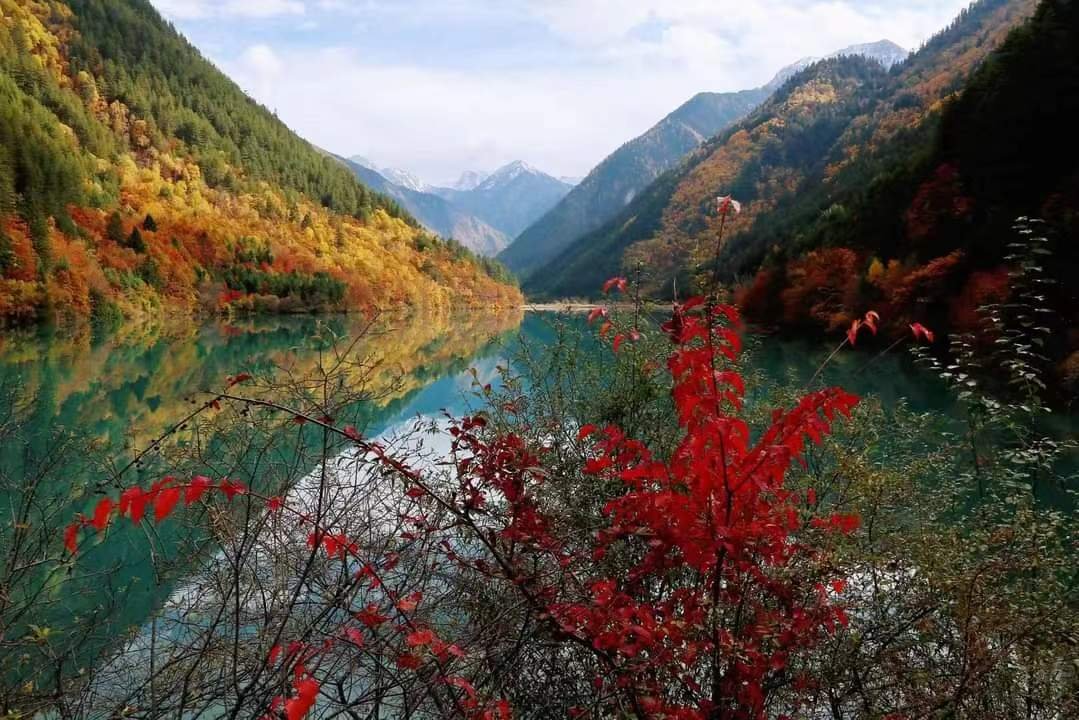
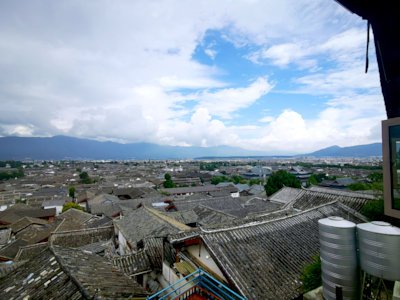
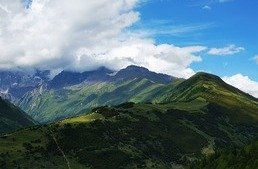
Nestled in the southwest of Jianchuan County in Dali Bai Autonomous Prefecture, Shaxi Ancient Town lies between Dali, Lijiang, and Shangri-La. Located on the southeastern edge of the Laojun Mountain region within the UNESCO-listed Three Parallel Rivers area, Shaxi is surrounded by mountains and covers an area of 287 square kilometers.
Sitting at an average elevation of 2,100 meters, Shaxi enjoys a pleasant temperate climate with an annual average temperature of 12.3°C, making it an ideal destination throughout much of the year.
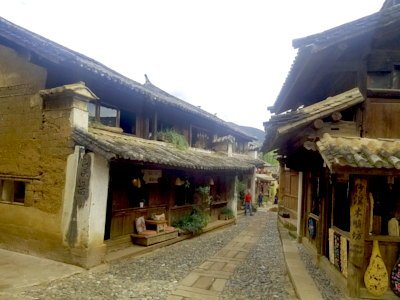
Once an important trading post on the legendary Ancient Tea Horse Road, Shaxi has remarkably preserved its authentic character after centuries of change. Unlike many commercialized old towns, Shaxi offers visitors a peaceful glimpse into China's rich trading and cultural heritage.
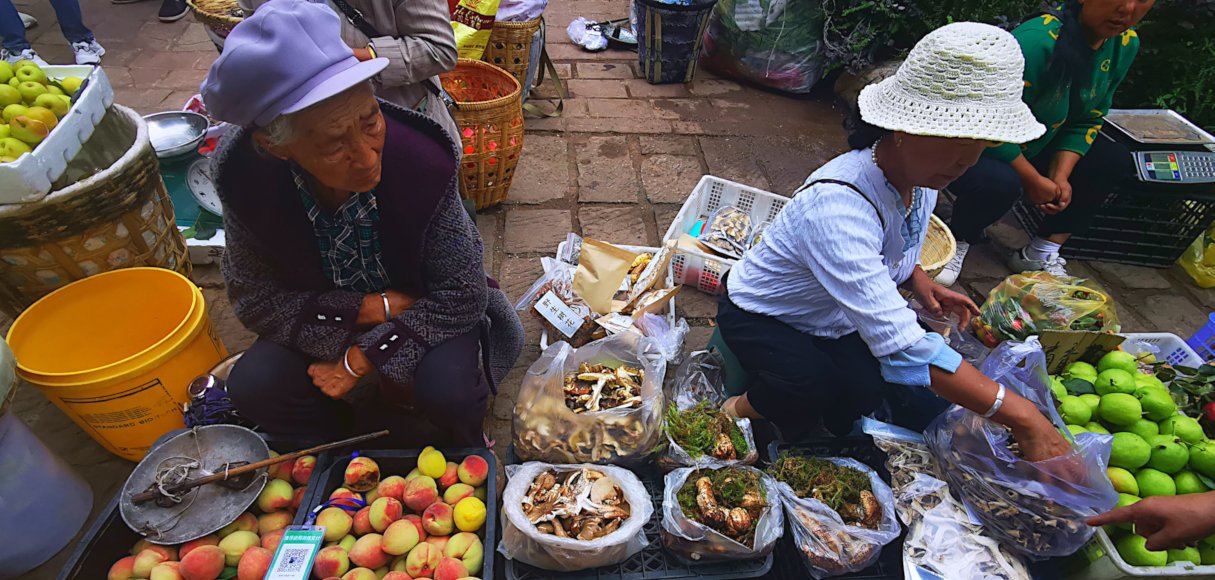
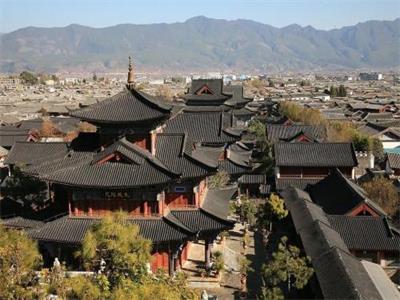
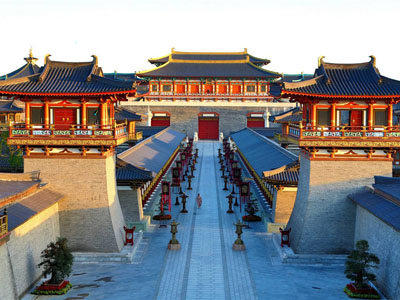
The heart of the town is Sideng Market Square, one of the best-preserved market squares along the Tea Horse Road. Other highlights include the elegant Yujin Bridge, the beautifully restored Ancient Opera Stage, and Xingjiao Temple, the largest and finest surviving Azhali Esoteric Buddhist temple in China. Visitors can also enjoy the enchanting Shaxi Dongjing ancient music, witness the traditional Bai ethnic Bawang Bian dance, and taste local specialties such as matsutake mushrooms, sheep's milk cheese, and regional mountain produce.
Recognized as a National Historical and Cultural Town, Shaxi has also been honored as a Yunnan Historical and Cultural Town, a Yunnan Famous Tourism Town, and one of China's Rural Cultural Heritage Landmark Villages.
.
Due to it's special location,It's not well known compared with another attractions of Yunnan,but for this reason, it was well preserved.
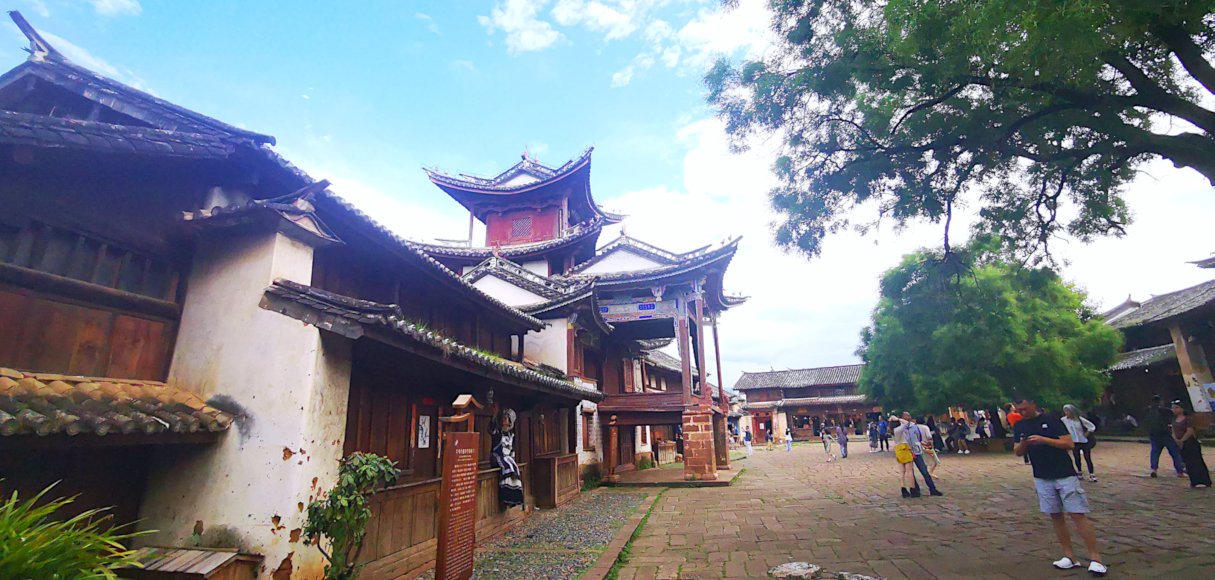
If you like quiet,you can get there,and find a hotel to stay overniaght.I trust you'll like this small town since then!
More information about Shaxi Old Town:
Shaxi is a town with a long history, dating back to the Spring and Autumn Period 2,400 years ago. Dunhuang is in the north and Shaxi in the south. The extension of Chinese civilization has two basic trends, one is the Silk Road, the other is the tea-horse road. Shaxi is a solidified history book of tea and horse culture, and its status is no lower than that of Dunhuang. It is the only surviving market on the ancient Tea-horse road, and it was once prosperous.
Millennium Market- Sideng Street
The ancient tea-horse trading road passes through Sichuan and Yunnan, connecting Tibet and India in the north, South stretching Southeast Asia. The ancient road passes through Dali, Lijiang, Shangri-La and other places in Yunnan. Between these famous towns, there is an ancient market- -Sideng Street, which is known as "the only surviving ancient market on the ancient Tea-horse Road".
Xingjiao Temple
Xingjiao Temple is the largest, most typical and most representative temple of "Azali" in China. Shaxi people here devout worship, pray for a safe journey horse caravan. Xingjiao Temple preserves large murals of ancient Bai nationality. The Ming Dynasty murals in it are deeply influenced by the painting style of the Central Plains and have strong local ethnic characteristics. It is a treasure of ancient Bai nationality painting art in the southwest border area of Southwest China.
Ancient Stage
The ancient stage is the most distinctive ancient building on the Sifang Street. During every national festival, the children of Shaxi Bai people dressed in festival costumes, playing the three strings, gathered in the Sifang Street, singing and dancing on the stage.
Yujing Bridge
On one side of Yujin Bridge is the ancient town of Shaxi, and on the other side are fields and villages. The stone slabs on the bridge are smooth and shiny. This is an important passage for the caravan to enter the ancient town from Dali. Although after a hundred years of war, war baptism, but still stand, retained today.
Shibao Mountain Song Festival
One of Shaxi's most vibrant cultural events is the Shibao Mountain Song Festival, held annually from the 27th day of the seventh lunar month to the 1st day of the eighth lunar month. During the festival, Bai people from Jianchuan, Dali, Lijiang, Eryuan, Lanping, and neighboring regions gather in colorful traditional costumes to celebrate their rich musical heritage. The festival features lively folk song competitions, traditional love songs, and cultural performances, offering visitors an unforgettable opportunity to experience the authentic spirit of Bai ethnic culture.
How to get:There are convenient express way to Shaxi in 1.5 hours' driving from either Lijiang or Dali . The trip from Lijiang to Jianchuan now takes approximately one hour .